
Five cats collared in HiP as conservationists protect cheetah population
Ezemvelo KZN Wildlife and Forever Wild Foundation complete collaring operation, with three cats collared for the first time.
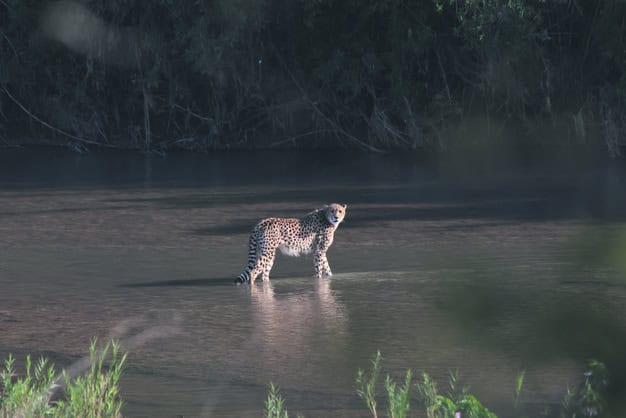
A collaborative conservation effort is helping secure the future of one of KZN’s most important cheetah populations.
This as five cheetah were successfully fitted with tracking collars during a large-scale operation in Hluhluwe-iMfolozi Park (HiP) in July.
Ezemvelo KZN Wildlife, in partnership with the Forever Wild Foundation, completed the collaring operation, with three of the five cats being collared for the first time.
The initiative marks another significant milestone in the long-term monitoring and conservation of this endangered species.
Need for conservation of the species
According to Ezemvelo, collaring is a vital tool in effective species management, particularly for vulnerable and intensively managed species such as cheetah.
With fewer than 7 500 estimated in the wild worldwide, and fewer than 1 000 in South Africa, careful management is essential to prevent genetic bottlenecking and ensure the species’ long-term survival.
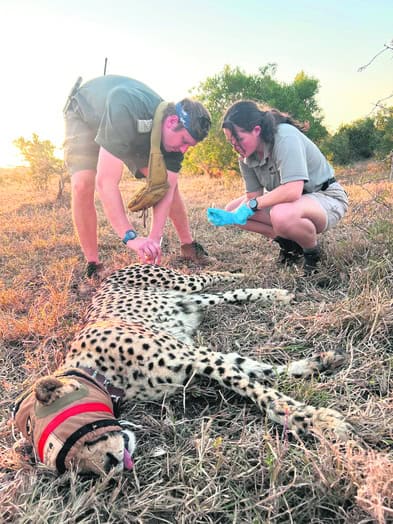
Ezemvelo veterinarian Dr Jennifer Lawrence said the successful operation was a rewarding achievement.
“It is always a privilege to work with cheetah. They are challenging to dart and collar because they are highly sensitive to the drugs used, and overheating poses a significant risk.
‘Conditions have to be just right and managing the anaesthetic becomes the priority. This makes every successful collaring operation a rewarding step towards ensuring cheetah are effectively monitored within the reserve,” said Lawrence.
The benefits of collaring
Wildlife ACT developed the collars fitted during the operation, specifically designed for the demands of African conservation landscapes.
Wildlife ACT Wild Dog and Cheetah conservation programme manager Chris du Toit said each collar combines LoRaWAN and VHF technology, allowing conservation teams to monitor animals more effectively within the protected area.
The collars record GPS locations at predetermined intervals, enabling remote monitoring, while the VHF component allows field teams to locate collared animals using directional telemetry.
This is particularly important in dense vegetation and rugged terrain where visual sightings are often difficult.
“Every collar we fit gives our teams and partners a clearer picture of how cheetah are using the landscape and how the population is changing over time. That long-term understanding allows us to plan effectively for this population’s future and ensure it continues to play its part in the survival of the species across South Africa,” said Du Toit.
The dual monitoring system provides broad-scale information that supports the daily work of Wildlife ACT’s field teams in HiP while contributing to Ezemvelo’s long-term conservation planning and cheetah metapopulation management.
Don’t have the ZO app? Download it to your Android or Apple device here:


HAVE YOUR SAY
Like our Facebook page and follow us on Twitter.
For news straight to your phone invite us:
WhatsApp – 060 784 2695
Instagram – zululand_observer
TikTok – @zululand_observer