Church and government leaders call for stronger partnership in Ekurhuleni
Church and government leaders gathered for an open dialogue on how closer cooperation could help address challenges facing communities.
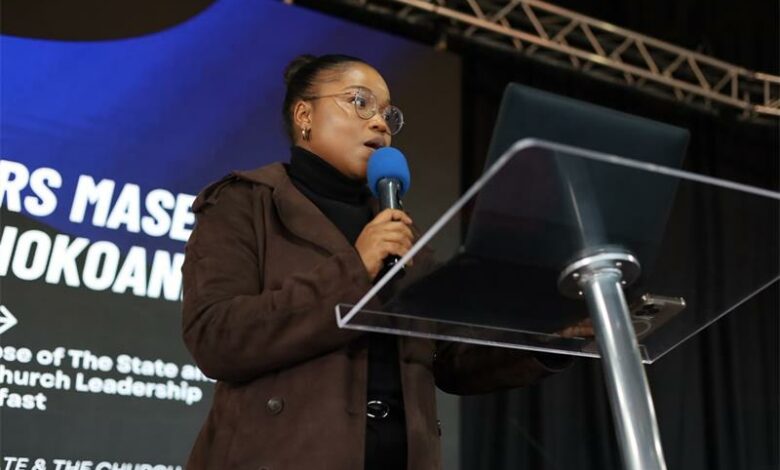
Life Restoration Christian Centre (LRCC Church) hosted a leadership breakfast to have open dialogue on how to build a bridge between the church and the state.
The CoE’s MMC for finance and strategy, Ald Jongizizwe Dlabathi and the Gauteng MEC of social development, Nomantu Nkomo-Ralehoko were key speakers.
LRCC member, Masechaba Mokoane said the State and Church Leadership Breakfast is intended to lay the foundation for a stronger relationship between government and the church by creating space for ongoing dialogue and collaboration.
“This serves as the beginning of a very important and ongoing conversation between the church and the state,” she said.
She said the platform would help address community challenges through shared responsibility and mutual understanding.
“Whatever affects the community affects us because the people of the community are within the church. Their issues are our issues,” she said.
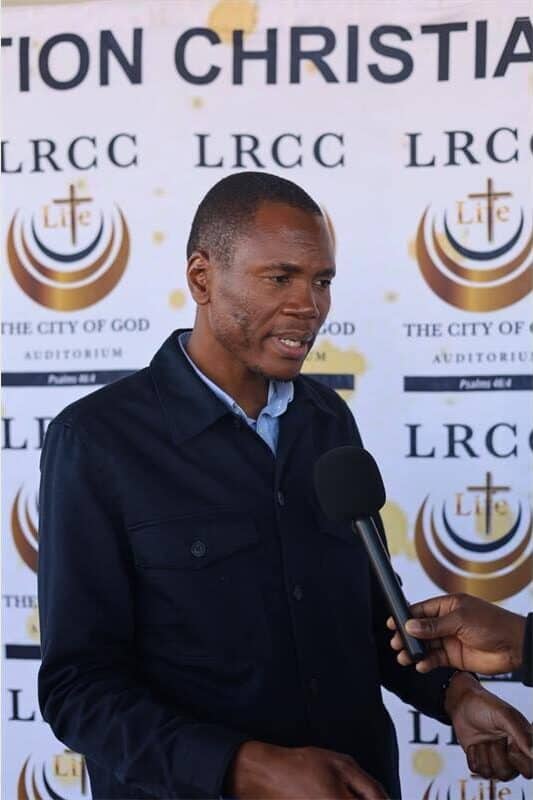
Mokoane said the church’s role extends beyond spirituality with the partnership seeking to create meaningful social impact and better serve communities. Dlabathi described the initiative as an important milestone.
“I do trust that today’s conversation will definitely help us to properly comprehend how the two components which is the state and the church, converge and how to complement each other for a better society that we all aspire to see,” he said.
He stressed that the gathering was about more than bringing leaders together but creating a platform for meaningful national dialogue and collaboration.
“This is not a mere meeting of people nor leaders but it is a session of people who take a keen interest in participating in the conversation that must take us forward as a nation and as a society at large through collaboration,” he said.
He added that closer cooperation between the two could contribute to stability and prosperity.
“I have no doubt that where the state and the church properly coexist and to the extent of pulling together harmony, order and prosperity will certainly flourish in the best interest of the citizens,” he said.
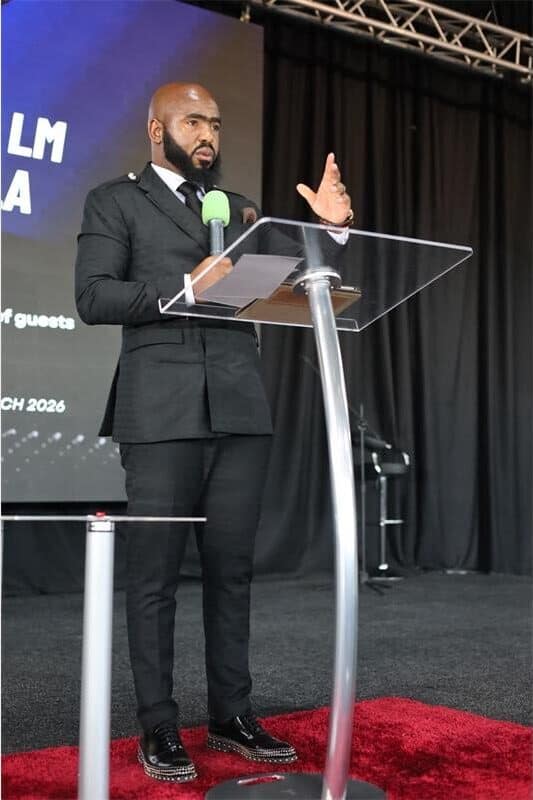
Dlabathi outlined the respective responsibilities of both institutions, saying government has a duty to protect citizens, maintain order, provide basic services and drive local economic development, while the church has a spiritual and communal mandate.
“The church therefore does influence governmental practices and acceptable societal values without usurping the authority of the state,” he said.
He also acknowledged the decline in trust between government and citizens.
“The state as a whole is facing what we call trust deficit from its citizens and therefore we turn to the church, and we ourselves as leaders of government, to get help that must restore trust in government,” Dlabathi said.
Dlabathi added that it should also be in the church’s interest to see a government that uses public resources responsibly and addresses the challenges faced by citizens. He warned against corruption and the abuse of public office for personal enrichment.
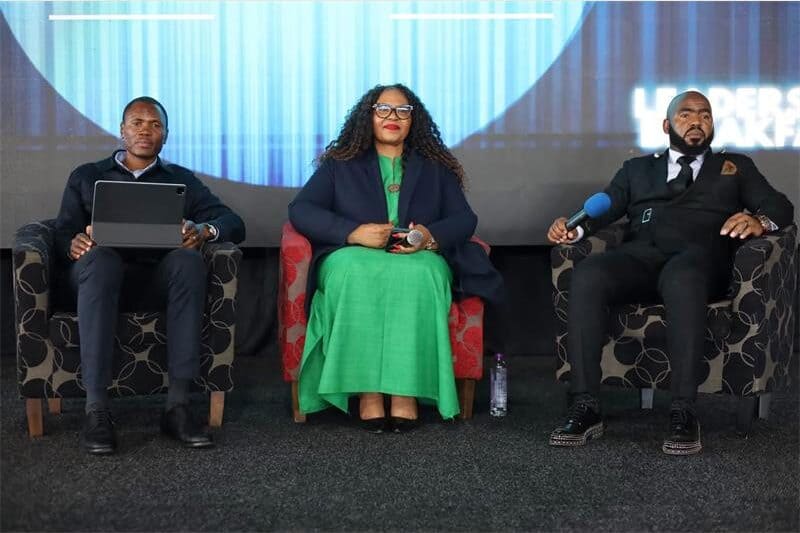
The event also included a panel discussion with Nkomo-Ralehoko, Dlabathi and Magagula as the main speakers.