Disability march calls for greater inclusion in Duduza
Men With Disabilities SA marched in Duduza demanding inclusion for the men in the community in work and health care.
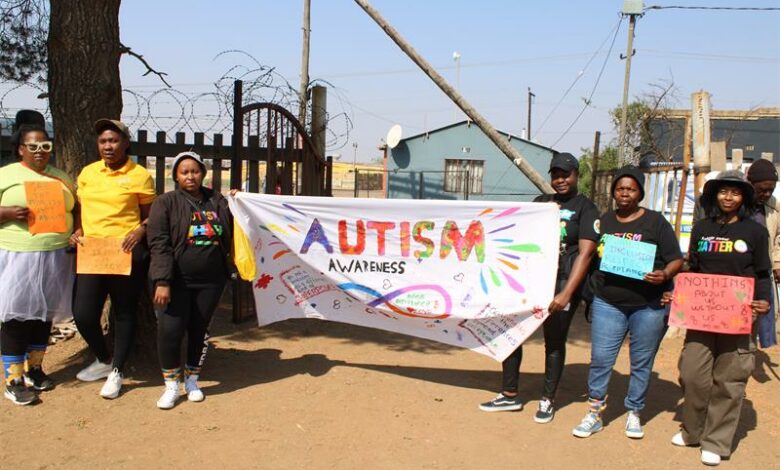
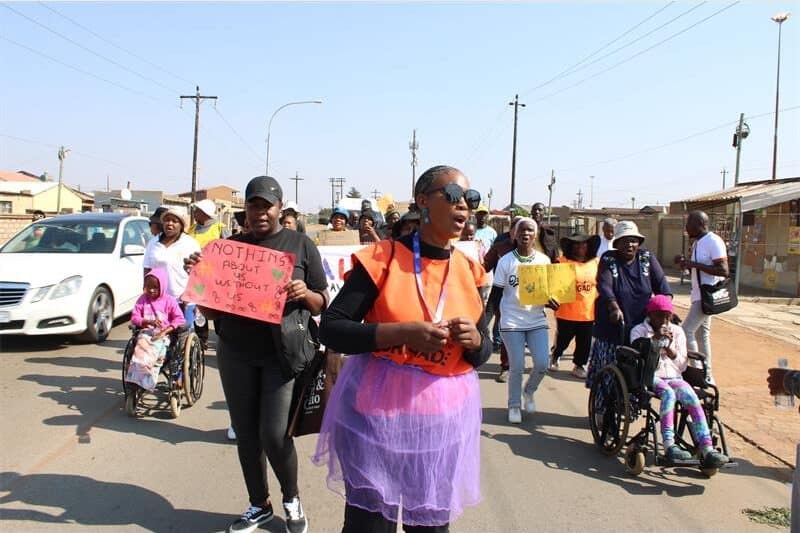
A call for greater inclusion and representation of people living with disabilities was at the heart of a Disability Awareness March held in Duduza on August 28.
Men With Disabilities South Africa (MDSA), in partnership with the Defend NHI Campaign and the Umthombo Stimulation and Daycare Centre NPO, organised the march under the theme ‘Nothing About Us Without Us: Every Voice Matters, Every Person Counts’.
Speaking to the African Reporter, MDSA chairperson Altiti Dubazane said the march aimed to educate the community about the challenges faced by men and boys living with disabilities.
He shared that the community is not very educated on the issues facing people living with disabilities.
“The reason why we organised this march is to educate the public in the community about disability awareness,” said Dubazane.
Dubazane added that the theme was chosen to highlight the need for people living with disabilities to be directly involved in decisions and structures that affect them.
“When we talk of greater involvement of people living with disability, we speak of inclusion. In every sector where disability is concerned, people with disabilities must be represented in structures,” he said.
Among the challenges facing people with disabilities in Duduza and surrounding areas is a lack of awareness about their rights, as well as poor coordination among support structures, according to Dubazane.
“What we are not aware of is our rights as people living with disability, and also there is no coordination of the structures in general of the support groups,” he said.
Dubazane said the organisation also wants the government to strengthen legal protection for people living with disabilities and ensure that existing policy proposals are implemented.
“What we are hoping to take to the government through this march is that on every occasion there must be inclusion,” he said.
He said people living with disabilities should not only be viewed as dependent on government support but should also be recognised for their contribution to society.
“We need to be recognised,” said Dubazane, adding that the organisation wants the government’s disability policy framework to be formally adopted and strengthened.
Access to healthcare and essential mobility resources also remains a concern locally.
Dubazane said people living with disabilities sometimes have to travel outside the area to access resources such as crutches and other equipment.
ALSO CHECK: Kwa-Thema granny celebrates 100th birthday
“Locally, it is a challenge,” he said. “If you want crutches or other resources that people living with disabilities need, there are none here locally.”
He said the cost of travelling to obtain such resources can place an additional burden on people who are already struggling financially.
“Everything starts and ends with health,” Dubazane said. “As a person living with a disability, there are challenges that you face and those challenges are healthcare-based.”
For Dubazane, true inclusion goes beyond simply providing services. He said people with disabilities should be involved in the development of communities, the economy and the creation of legislation and policies.
He also called for greater public awareness and respect for people living with disabilities.
“What we want to see happening for people with disabilities is that their dignity must be protected,” said Dubazane.
He said members of the public still sometimes mock or mistreat people with disabilities in public spaces.
Dubazane said the organisation would continue pushing for greater representation and participation of people living with disabilities.
“Our message is very clear: using our theme, we are expecting a greater involvement of people living with disability, even in our government itself.”
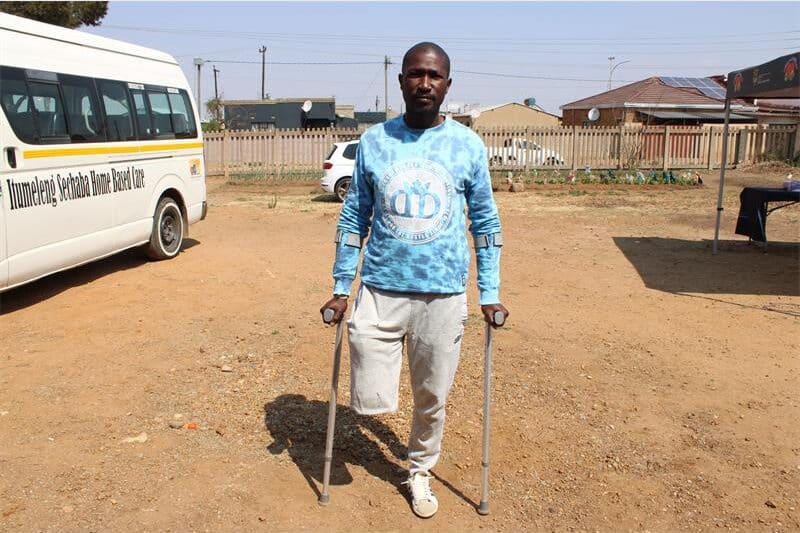
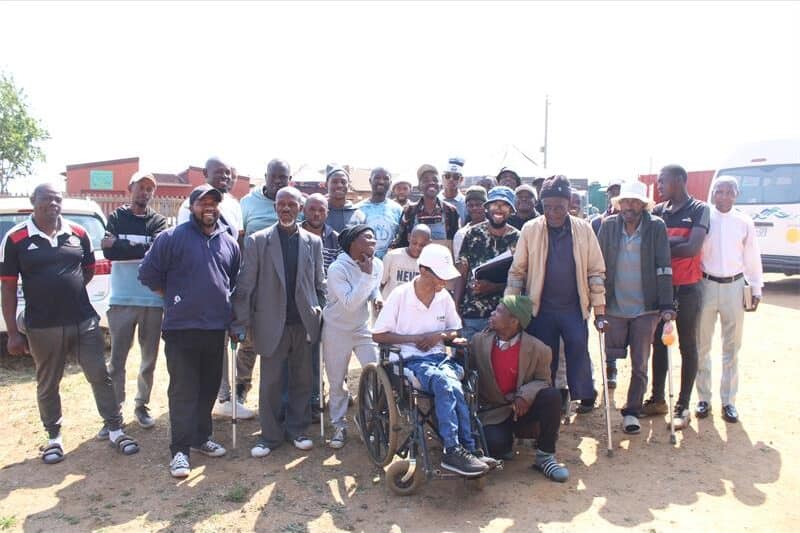
One of the attendees, Vusimuzi Msizi, told the publication that after his accident, which left him disabled, he faced various challenges and treatment from friends and family changed. He shared that he used to do things for himself but the disability left him jobless.
“I am a father of two children so I wish I could do things for them by providing for them but it is impossible because jobs for us are limited.
“I work using my hands so if we can get jobs that allow us to use our hands and to speak, it would make a huge difference,” said Msizi.
Msizi indicated that as men, society expects them to provide and if it is not done, it also affects their self-esteem.
He shared his hope that concerns raised during the march would reach the relevant people to help men in the community.
“I hope with this march, the care and treatment of men can change because we are not considered in some things, including employment in the area, because we are part of the community,” he concluded.
ALSO CHECK: Seventeen-year-old bags opportunity to play rugby in Thailand