WATCH: Nine trees planted in Kwa-Thema to honour Ekurhuleni femicide victims
Minister in The Presidency, Khumbudzo Ntshavheni led an initiative which saw nine trees planted in honour of women who were found dead across Ekurhuleni.
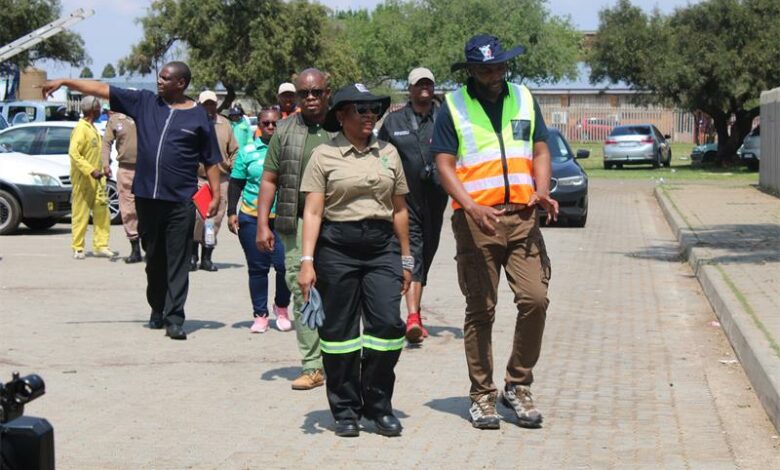
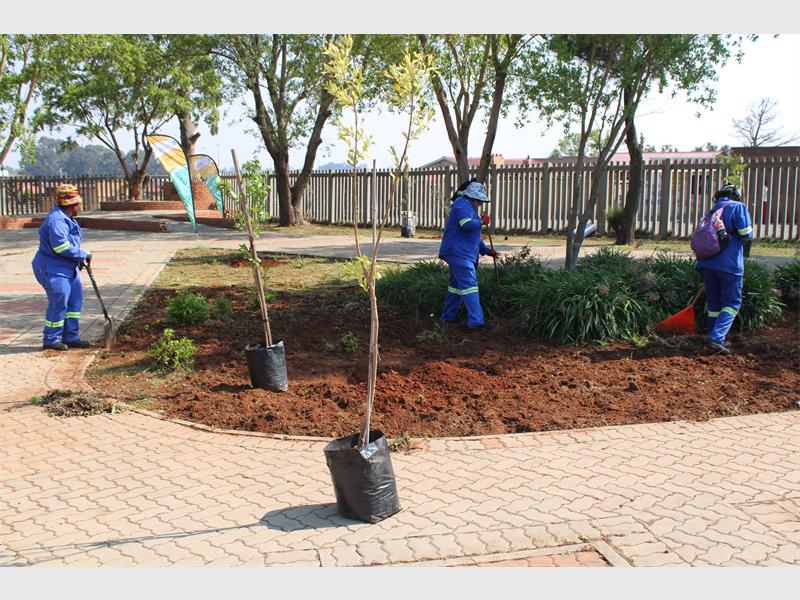
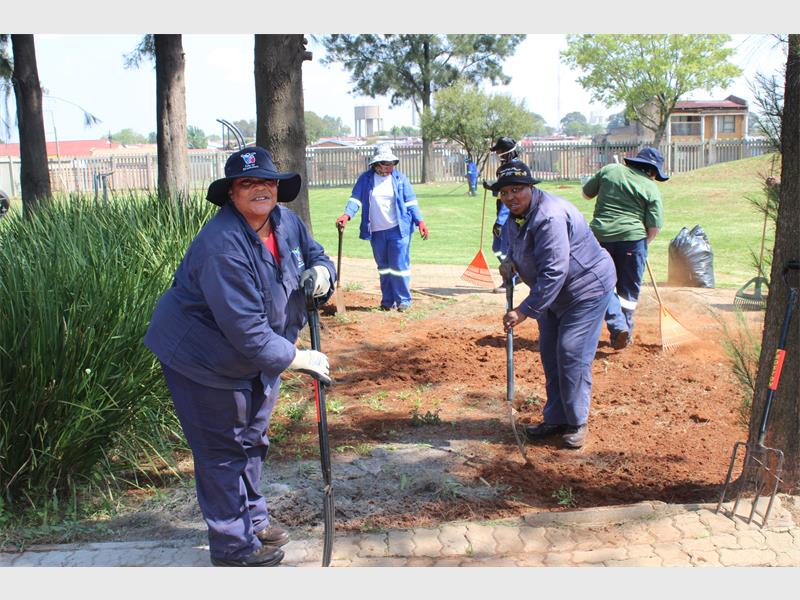
Kwa-Thema – The Love Your Street service delivery programme was held at Indaba Tree Heritage Park and Masimini Primary School on September 22.
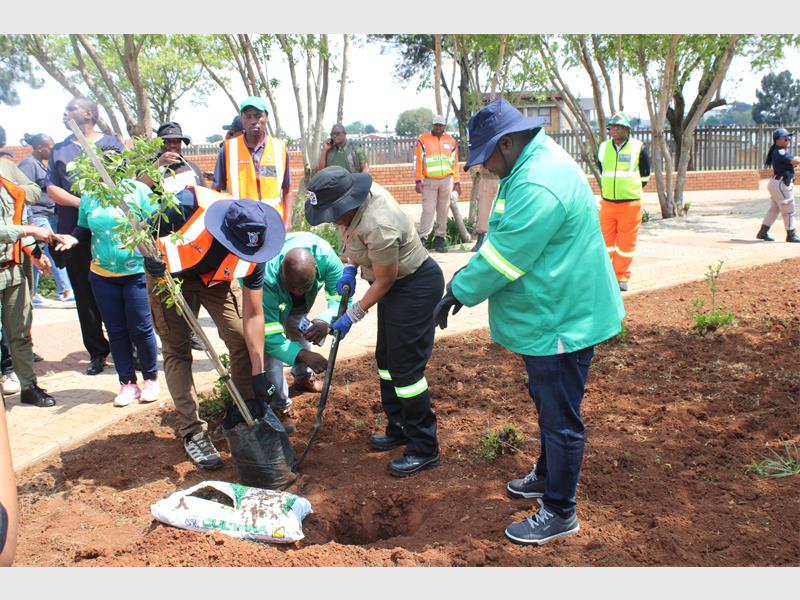
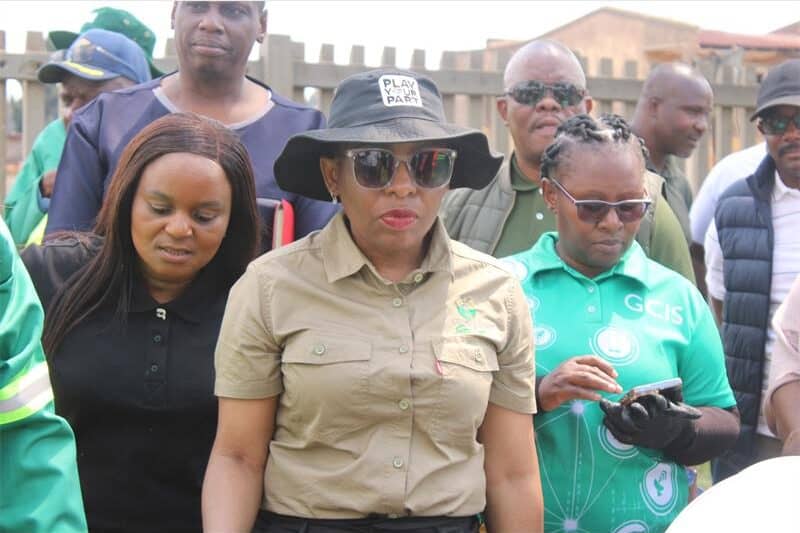
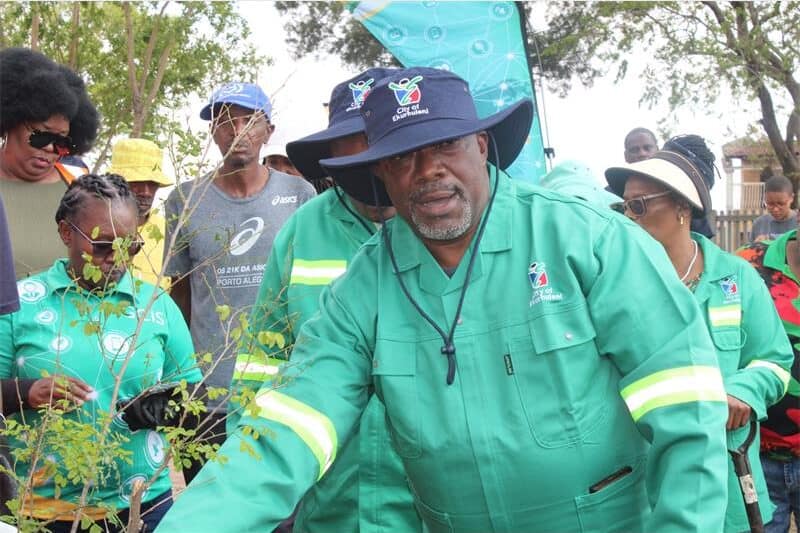
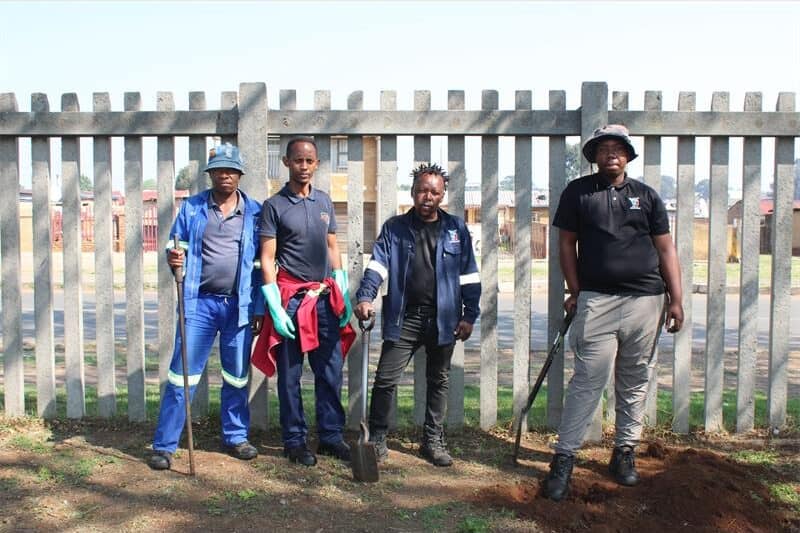
Minister in the Presidency, Khumbudzo Ntshavheni, led a delegation of government officials, civil society organisations and community members who helped clean the areas and plant trees in honour of victims of gender-based violence and femicide (GBVF).
The delegation planted nine trees to honour the lives of the nine women who were recently found dead across Ekurhuleni.
Ntshavheni said the initiative is more than cleaning public spaces, highlighting that the condition of neighbourhoods can also affect women’s safety.
She said the national strategic plan on GBVF includes interventions around safety and environmental design including addressing dark spots, illegal dumping sites and poorly maintained open spaces.”If we eradicate the illegal dumping sites, there won’t be places to dump women.
But also, if we clean the streets, clean the open spaces and make sure that they are properly lit, there won’t be spots where women will be hijacked,” she said.
Ntshavheni said the nine trees would serve as a reminder of the women who lost their lives and as a commitment to preventing further violence against women.
“We said before we went to clean, we must come here and plant nine trees to honour the nine women. The others were going to put nameplates around them so that we continuously remember and recommit that it will never be done that in a society; a society kills its women,” she said.
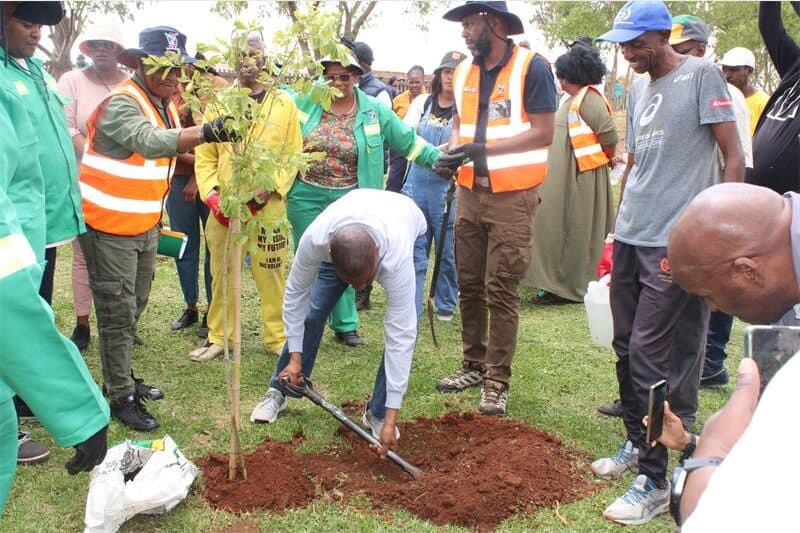
A 10th tree was also planted as part of the Milestones of Freedom campaign, which marks significant moments in South Africa’s history.
Ntshavheni said the tree was planted in honour of Selope Thema, after whom Kwa-Thema was named, and to symbolise men’s commitment to stand against violence against women.
“Men of South Africa are bowing their heads in shame that women are still suffering at the hands of men and they are committing that it will not be done in their name and they are not going to look away,” she said.
Addressing the government’s response to GBVF, Ntshavheni said tackling the issue requires an approach that involves government, families and communities.
She said government has established a call centre for women to report when they feel unsafe and that more than 500 calls are currently being received each day from women across the country.
Ntshavheni also said the number of Thuthuzela Care Centres had increased to more than 68 nationally, where women affected by gender-based violence receive support.
“Violence against women is no longer a private matter. It’s a community matter; it is our matter. We all have the responsibility to work through. Government is doing its part and we need everyone to do their part,” she said.
Ntshavheni said communities also have a responsibility to report missing persons and suspicious circumstances, noting that only two of the nine women had been reported missing.
“We need the neighbours, we need the family to say it won’t be done. We need the men to say it won’t be done in our name,” she said.
She addressed concerns about policing in Kwa-Thema, saying the municipality has made land available for the construction of a police station.
She explained that the necessary processes are now in place for the development to move forward, while also highlighting the EMPD’s role in responding to incidents in the area.
Ntshavheni said government should be held accountable for how quickly it responds when cases are reported but communities must also play their part in preventing crime.
“What we need to judge government on is when the cases are reported, how speedily do they respond,” she said.
She added that municipalities also needed to address issues such as poor lighting, overgrown open spaces and illegal dumping, which can contribute to unsafe environments.
“There cannot be an excuse that it is not lit because you can put solar lighting. So go back and put a plan to say, how are you going to light up the open spaces? That we must do.
“It’s your responsibility to report a street light that is down. It’s your responsibility to report an open area that is bushy, so that they can come and clean,” she said.
She said creating safer communities requires cooperation between government, municipalities, families and residents.
“The safety of the women of South Africa, the government takes responsibility, but society must play its part. We must all play our part,” Ntshavheni said.
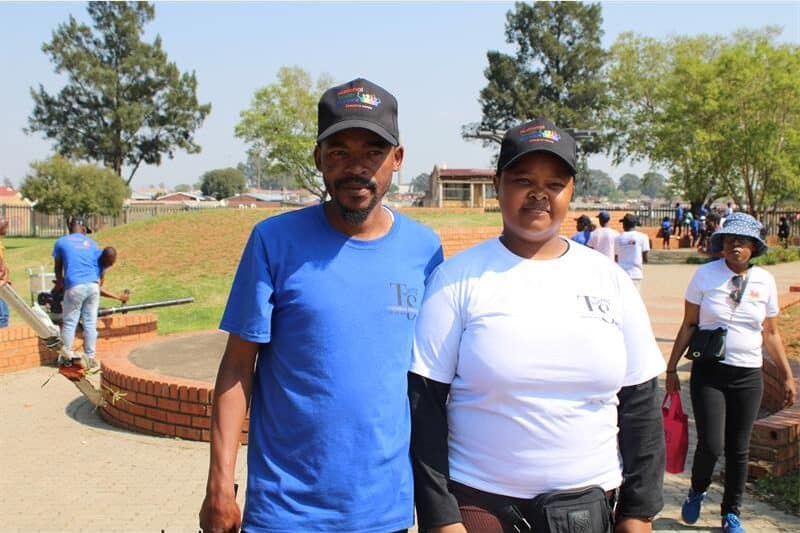
Young people from the Thembisa Serenade were among the community members who helped clean the park. Speaking to the African Reporter, Raymond Bhengu said he was happy to lend a helping hand in the initiative.
Mbali Masina called on the government to work hand in hand with the community to help improve the living conditions.
“I would encourage them to be more intentional about having recycling bins around the neighbourhood to maintain a clean environment. As young people, we also need to be more active in our areas to promote a better community,” she said.