Experience winter on the Koppies
The grasses have seeded, put on their winter colours and are settling into the long rest that winter induces.
While humans continue to grapple with all the uncertainty that Covid-19 throws at us, the natural life on Melville Koppies just knows that winter is here and adapts accordingly.
The grasses have seeded, put on their winter colours and are settling into the long rest that winter induces. The hedgehogs, tortoises and snakes are lying low, slowing down their metabolisms to survive the winter chill.
Migratory birds like the European bee-eater have long left the Koppies where they are now basking in the warmth of the North African summer where they will breed and return next spring.
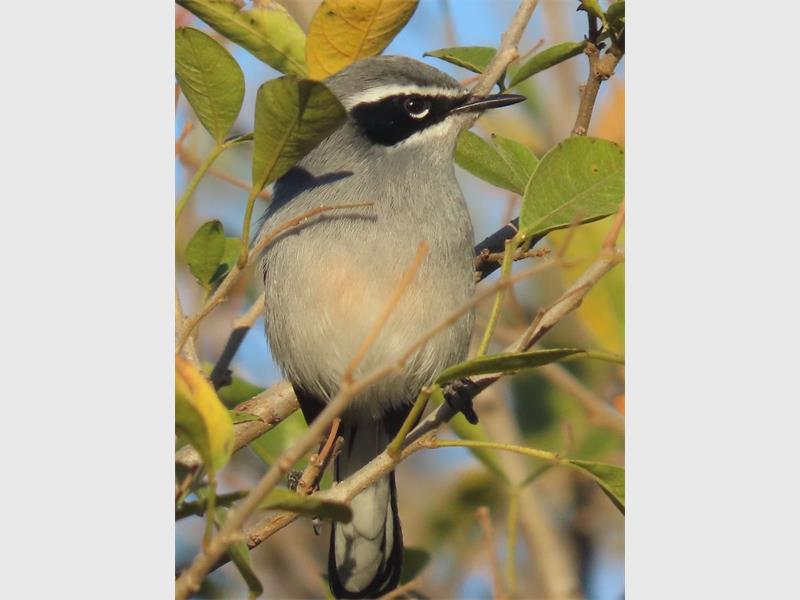
All except for one migrant bird, the fairy flycatcher. It has just arrived for its annual winter visit to the Koppies.
The fairy flycatcher’s summer home is Lesotho so it’s hardly surprising that it finds a Joburg winter on the Koppies warm by comparison. You may just be lucky and spot it on your next visit to the Koppies.
And if you don’t, there are many others like the Cape longclaw, the white-bellied sunbird and helmeted guinea fowl that are just waiting for your visit.
Melville Koppies Central (Nature Reserve and Heritage Site) is open every Sunday from 8am to 11.30am. Mid-week tours can be arranged.
There is no need to pre-book and the cost is R80 for adults and R40 for children. All income is used for maintenance and security of the Koppies which amounts to R22 000 per month.
Security on the Koppies is provided. Secure parking is available opposite the entrance at Marks Park in Judith Road, Emmarentia.
Contact wendavid@mweb.co.za or visit www.mk.org.za for more detailed information about the history and what you can see.