Understanding municipal councils and seats ahead of local elections
How are municipal councils in Ekurhuleni and Johannesburg structured, and how are council seats allocated? Here’s what Alberton and Johannesburg residents need to know ahead of the November 4 local government elections.
With South Africa’s local government elections scheduled for November 4, residents in Alberton and Johannesburg are preparing to elect representatives who will make decisions affecting their communities.
Alberton falls under the City of Ekurhuleni Metropolitan Municipality, while Johannesburg falls under the City of Johannesburg Metropolitan Municipality.
Both are metropolitan municipalities, commonly known as metros. But how are these municipalities structured, and how are council seats determined after residents cast their votes?
How are metropolitan municipalities structured?
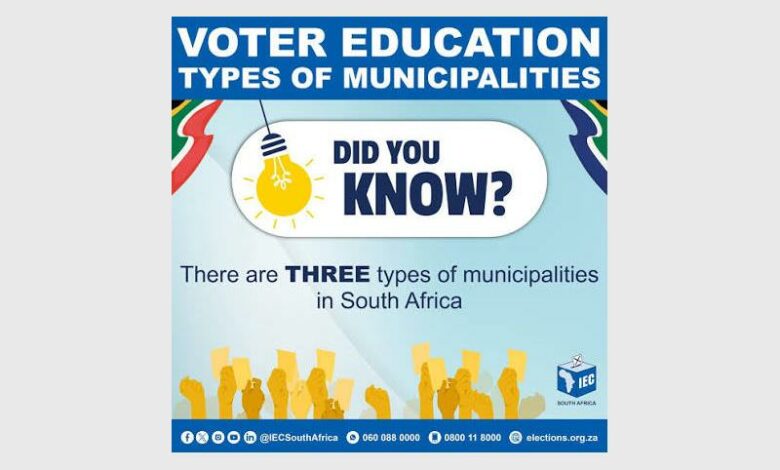
South Africa has three categories of municipalities: metropolitan, district and local municipalities.
Metropolitan municipalities govern large urban areas and provide municipal services through a single metropolitan structure.
Unlike areas outside metros, which are divided into local and district municipalities, a metro does not have a separate district municipality overseeing its local areas.
Municipal councils governing both Ekurhuleni and Johannesburg are made up of elected councillors.
These councils decide on municipal matters, including budgets, by-laws, policies, and service delivery.
The municipal council elects a Speaker, who chairs council meetings, ensures that procedures are followed and oversees the conduct of council business.
Councillors also elect a mayor, who leads the municipality’s executive functions. The mayor appoints members of a mayoral committee to assist with executive responsibilities.
The municipal administration, led by the city manager, implements council decisions, manages municipal operations, and delivers services to residents.
Metropolitan municipalities are also divided into wards. These geographical areas allow residents to elect councillors who represent their specific communities.
How are municipal council seats determined?
Municipal council seats are allocated through a combination of ward representation and proportional representation (PR).
In metropolitan municipalities, half of the council seats are allocated to ward councillors, while the other half are allocated through proportional representation.
During local government elections, voters receive two ballots.
On the ward ballot, they vote for a candidate to represent their ward. On the PR ballot, they vote for a political party.
Ward councillors are elected directly by voters in their respective wards. PR seats are allocated to political parties according to their share of the vote.
Legislation determines the total number of council seats available in a municipality, taking factors such as the municipality’s population into account.
A quota is used to calculate how many seats each political party is entitled to. The calculation considers votes cast for parties on the PR ballot and votes received by their ward candidates.
Once a party’s total seat entitlement has been determined, the ward seats it has already won are deducted. The remaining seats are allocated to candidates on its PR list.
This system is intended to ensure that the composition of a municipal council broadly reflects the support political parties receive from voters.
Why council representation matters
For residents in Alberton and Johannesburg, the composition of their municipal councils determines which political parties and ward representatives will participate in decisions affecting their communities.
Ward councillors provide direct representation for specific neighbourhoods, while PR councillors contribute to council decisions in proportion to their parties’ electoral support.
Understanding how metropolitan municipalities are structured and how council seats are allocated gives voters a clearer picture of what happens after election day.
As residents prepare to vote on November 4, knowing how their municipal councils work is an important part of participating in local democracy.