Who does what in local government? Understanding the roles of councillors, the mayor and MMCs
The 2026 local government elections are around the corner, and it is important for Ekurhuleni and City of Johannesburg residents to understand that councillors, the mayor and MMCs have completely different duties.
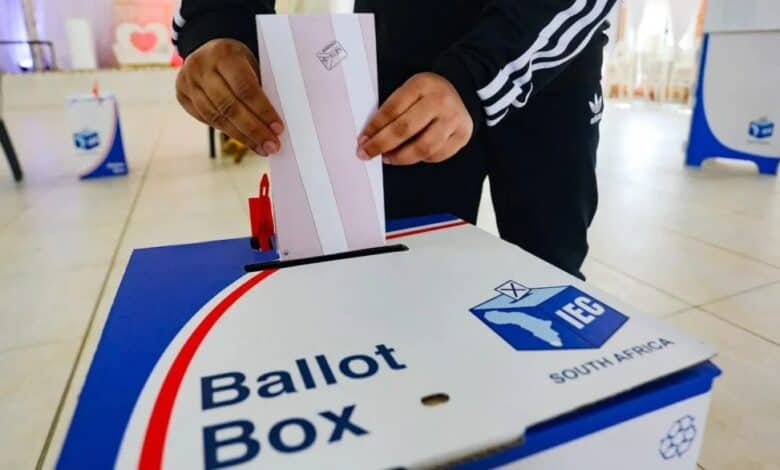
With the 2026 local government elections approaching, residents will soon be asked to choose representatives who will make decisions on issues affecting their communities.
Understanding municipal political roles
But what exactly does a ward councillor do? What is the role of a proportional representation councillor? And how does the mayor differ from members of the mayoral committee (MMCs)?
Understanding these roles can help residents know who represents them, what each office is responsible for and where different municipal decisions are made.
Ward councillor: representing your ward
A ward councillor represents a specific ward within a municipality and is elected directly by residents of that ward.
The ward councillor is an important link between residents and the municipal council.
Their responsibilities include bringing community concerns to the municipality, communicating municipal information to residents and consulting the community on matters affecting the ward.
The ward councillor also chairs the ward committee.
Ward committees provide a structure through which residents can participate in municipal decision-making, raise local concerns and have their views considered on matters such as municipal planning, projects and service delivery.
The councillor is responsible for calling ward committee meetings, ensuring that a schedule of meetings is prepared and working with the ward committee on an annual programme of activities.
They are also responsible for handling queries and complaints in the ward and helping resolve disputes or referring unresolved matters to the municipality.
In practical terms, the ward councillor is one of the main political representatives residents can approach about issues affecting their particular ward.
PR councillor: representing residents through proportional representation
A proportional representation, or PR, councillor is elected through the proportional representation system rather than from a specific ward.
In South African metropolitan municipalities, councillors are elected through both ward and proportional representation systems.
PR councillors are members of the municipal council and can also be allocated to support a ward councillor.
Their role can include assisting with ward-related queries and complaints, attending ward and constituency meetings, helping with dispute resolution and assisting with municipal projects.
The PR councillor supports the ward councillor but does not replace the ward councillor.
Mayor: leading the municipality’s executive
The mayor operates at the level of the municipality as a whole rather than representing only one ward.
South African municipalities have different executive systems. In a municipality with an executive mayoral system, the executive mayor is elected by the municipal council and exercises executive powers and responsibilities provided for in legislation and delegated by council.
The Municipal Structures Act sets out specific functions for an executive mayor.
These include identifying the needs of the municipality, prioritising those needs and recommending strategies, programmes and services to address them through the municipality’s Integrated Development Plan and budget.
The executive mayor must also monitor the municipality’s performance, including progress against key performance indicators, and review the municipality’s performance to improve its efficiency and effectiveness.
The mayor is further required to monitor the management of the municipal administration in accordance with the directions of council and oversee the sustainable provision of services to communities.
The mayor must also consider community participation and report annually on the involvement of communities and community organisations in municipal affairs.
However, the mayor does not personally run the municipality’s administration.
The municipal administration is headed by the municipal manager, and municipal officials are responsible for carrying out the municipality’s administrative work.
The political executive provides leadership and oversight within the powers given to it by law.
MMCs: overseeing specific areas of municipal government
Members of the Mayoral Committee, commonly known as MMCs, are councillors appointed by the executive mayor to assist with executive responsibilities.
An MMC is generally responsible for a particular municipal portfolio.
These portfolios can cover areas such as finance, roads and transport, human settlements, community safety, infrastructure, municipal services or other areas of municipal responsibility.
The Mayoral Committee assists the executive mayor with decision-making, proposals and plans that ultimately operate within the municipality’s legal and council framework.
The MMC therefore has a broader municipal responsibility than a ward councillor.
While a ward councillor focuses on representing residents in a particular ward, an MMC works on a specific portfolio that can affect communities across the municipality.
For example, a resident experiencing a local road problem may initially raise the matter through their ward councillor.
However, the broader municipal responsibility for roads and transport falls within the relevant municipal structures and portfolio responsible for that function.
Know who does what
As residents prepare to vote in the upcoming local government elections, understanding the different roles can help make sense of the municipality they are electing representatives to serve.
Ward councillor: Represents a specific ward, raises community concerns, communicates with residents and chairs the ward committee.
PR councillor: Serves on council through proportional representation and can support ward councillors and communities on municipal matters.
Executive mayor: Provides executive leadership to the municipality, identifies and prioritises municipal needs, recommends strategies and programmes, monitors municipal performance and oversees service provision within the powers provided by law.
MMC: Is appointed to the Mayoral Committee and assists the executive mayor with executive responsibilities, generally focusing on a specific municipal portfolio.
For residents, knowing these distinctions can make it easier to understand who is responsible for what, where to raise concerns and how to follow municipal decisions after the election.