WATCH: Pantsula festival honours Buru Mohlabane’s legacy in Katlehong
The legacy of late Katlehong pantsula pioneer Buru Mohlabane was brought to life through dance, youth performances and cultural reflections as artists gathered to celebrate his contribution to pantsula in South Africa and beyond.
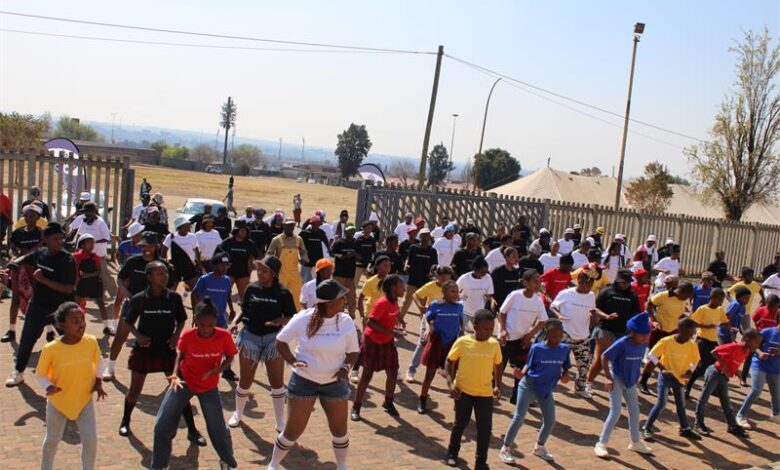
The legacy of late pantsula pioneer Buru Isaac Mohlabane was celebrated through a day of dance, cultural expression and youth development at DH Williams Hall in Katlehong on August 6.
The festival opened with a moment of silence in memory of Mohlabane, whose more than 24-year career in pantsula saw him work as a dancer, choreographer, director, teacher, curator and facilitator.
Born in Katlehong in 1983, Mohlabane joined Via Katlehong at the age of 13 and began performing professionally in 1997.
His work contributed to the professionalisation and international recognition of pantsula.
His career included internationally touring productions and collaborations such as Inkululeko, Via Injabulo and Via Kanana.
He also coordinated, choreographed and adjudicated the nationally televised Stambo Stomp AmaPantsula competition in 2015 and 2017.
@albertonrecord The 150 participants welcome guests outside the DH Williams Hall in Katlehong. Full story on albertonrecore.co.za
Mohlabane built strong ties with France and envisioned an inclusive academy that would allow pantsula to evolve while preserving its original rhythm and footwork.
He also viewed dance as a vehicle for social justice, collaboration, healing and community.
A celebration of pantsula
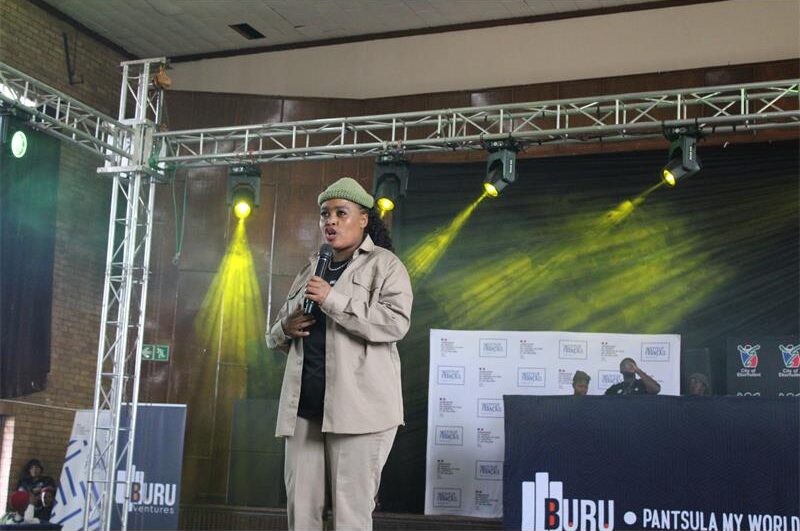
Hosted by Palesa “Mshoza” Sello, the festival brought together established artists, emerging dancers, schoolchildren and pantsula groups to celebrate the art form and its future.
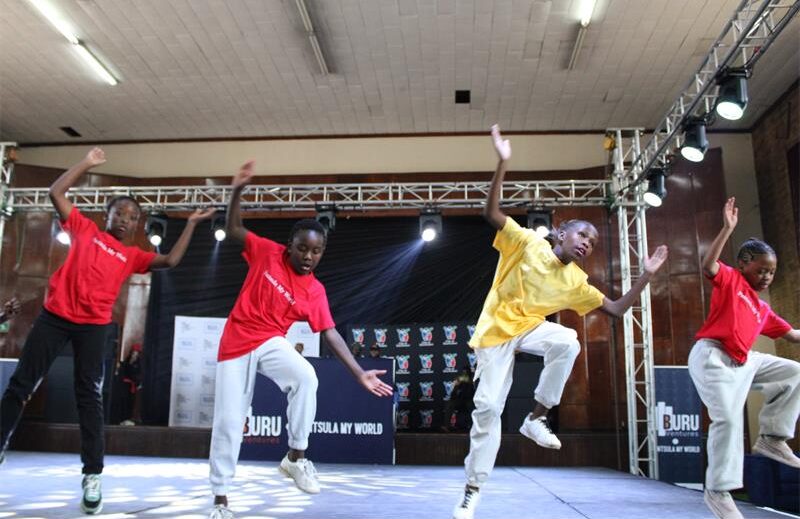
The programme featured school presentations, poetry, a JIKA MAJIKA circle, dance breaks and group performances.
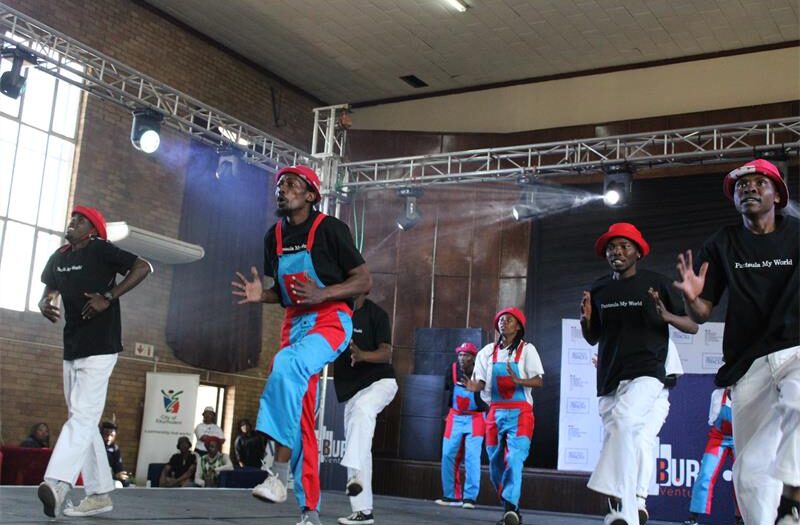
Among the performers were Skhanda Queens, Thembisa Habashwe Revolution, True Skans, Invention Dance Company, Shakers and Movers, EarthQueens, Mchacho’s Entertainment, Red Devils, High Intelligence and Iscathulo Sabolova.
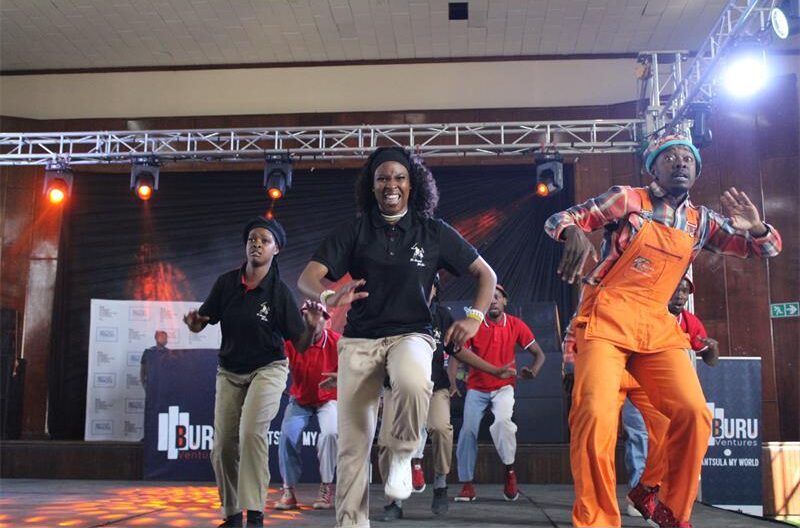
The dancers demonstrated the precision, discipline and theatricality associated with pantsula through intricate footwork, hip movements, synchronised routines and storytelling.
Several performances also tackled themes including drugs, imprisonment, death, domestic life, ambition and community struggles, indicating how pantsula can serve as both entertainment and a social language.
@albertonrecord Women also featured prominently, with several women-led and women-only groups taking to the stage and challenging perceptions that pantsula is predominantly male. Full story on albertonrecord.co.za
Women also featured prominently, with several women-led and women-only groups taking to the stage and challenging perceptions that pantsula is predominantly male.
Taking pantsula to young people
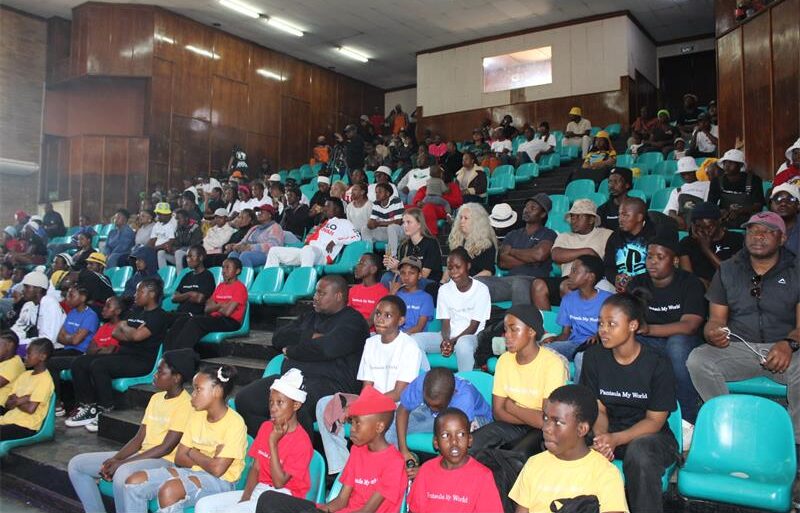
The festival also highlighted a transmission programme through which schoolchildren were introduced to the pantsula methodology.
The programme combines movement with theory, cultural identity and positive youth development, with participating schools including Monde Primary School, Reagile Primary School, Nkgobeng Primary School, Siyangqoba Academy: The Afternoon School and Mshoza Nation.
@albertonrecord The programme combines movement with theory, cultural identity and positive youth development, with participating schools including Monde Primary School, Reagile Primary School, Nkgobeng Primary School, Siyangqoba Academy: The Afternoon School and Mshoza Nation. Full story on albertonrecord.co.za
Organisers said the initiative is about more than teaching dance.
It aims to equip children with confidence, discipline and cultural knowledge while providing constructive alternatives to social pressures such as drugs and crime.
The presence of respected artists and cultural figures, including dancers and choreographers Musa Motha, Luyanda Sidiya, and Sello Modiga, further highlighted the festival’s importance as a meeting point for the pantsula community.
‘Thanks to Buru’
Jean Spiri, director of the French Institute of South Africa (IFAS), credited Mohlabane with helping pantsula gain recognition beyond South Africa.
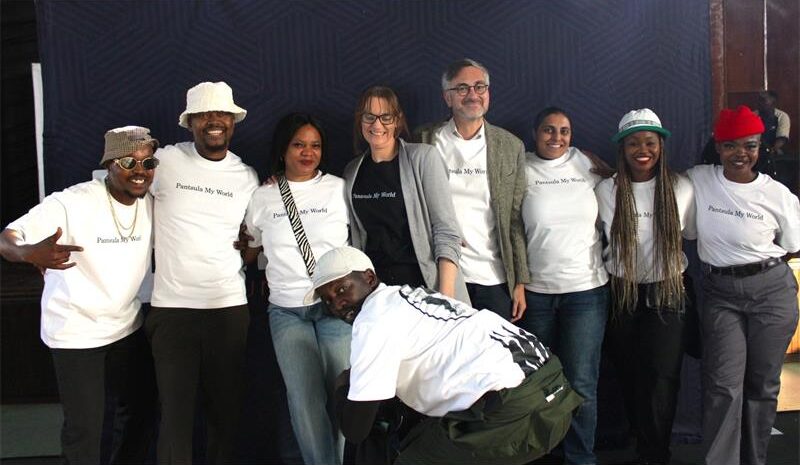
“Thanks to Buru, pantsula is formally recognised as a South African contemporary dance genre that is taught in schools, universities and across borders,” said Spiri.
He said Mohlabane’s influence extended to France and other parts of the world.
Spiri acknowledged the difficulty of celebrating the festival following Mohlabane’s death but said it was an opportunity to honour his vision and continue developing pantsula.
“The French Institute will be there with you to continue this project and this vision,” he said.
Ayja Waja, a country programme officer at IFAS, also encouraged young people to pursue opportunities in the arts.
@albertonrecord Ayja Waja, a country programme officer at IFAS, also encouraged young people to pursue opportunities in the arts Full story on albertonrecord.co.za
“There are so many opportunities in the arts and in pantsula,” Waja said, urging young artists to keep trying and pursuing opportunities.
Family continues his legacy
Mohlabane’s wife, Ntokozo, thanked the audience and participants for keeping his name alive through the festival.
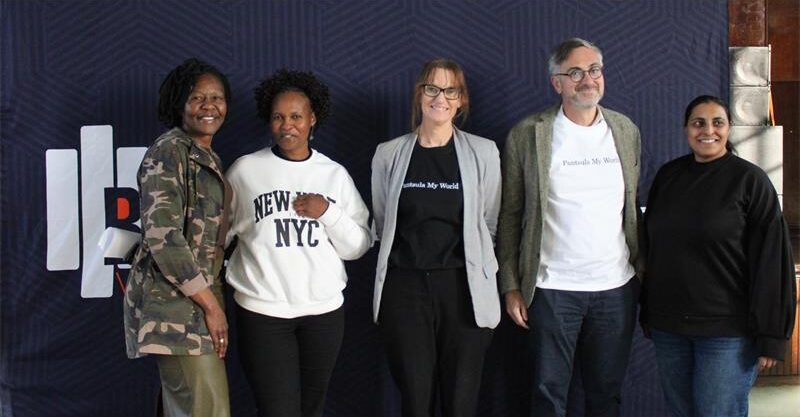
She encouraged young artists to dream, have faith and remain determined, emphasising that major cultural movements can begin with small steps and grow through commitment, community and belief.
Speaking on behalf of the City of Ekurhuleni, Sibongile Zwane said the municipality was honoured to support Mohlabane’s legacy and highlighted the role of arts and culture in youth development.
The festival was supported by the French Ministry for Europe and Foreign Affairs, IFAS, the City of Ekurhuleni, CND in Lyon, France, Buru Ventures and other partners and community contributors.
@albertonrecord A poet performs her poem during the Pantsula festival at DH Williams Hall in Katlehong Full story on albertonrecord.co.za
For those who knew and worked with Mohlabane, the festival was more than a tribute.
It was a continuation of the vision he spent decades building, ensuring pantsula remains a living cultural practice while creating opportunities for young people to learn, perform and carry its story into the future.