SAPS outlines spiritual crime prevention framework in Alberton
Community leaders, faith-based organisations and police representatives have met in Ekurhuleni to establish clear operational guidelines and vetting procedures for volunteers.
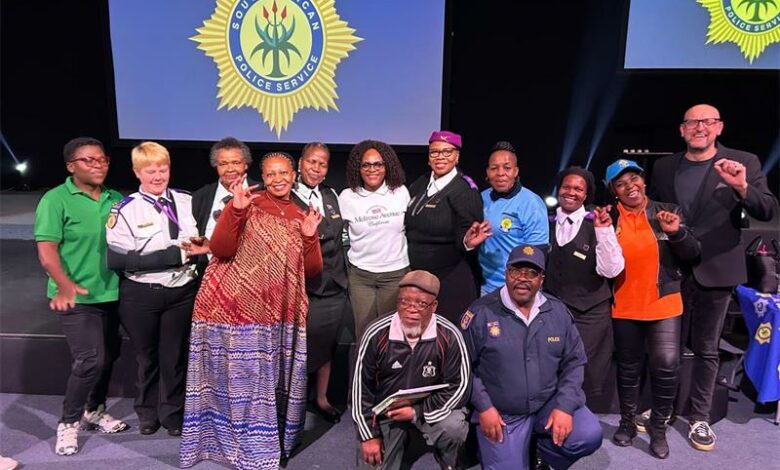
Ekurhuleni District Commissioner Major General Anna Sithole convened a Spiritual Crime Prevention Stakeholder Engagement at 3C Church in Alberton on August 28.
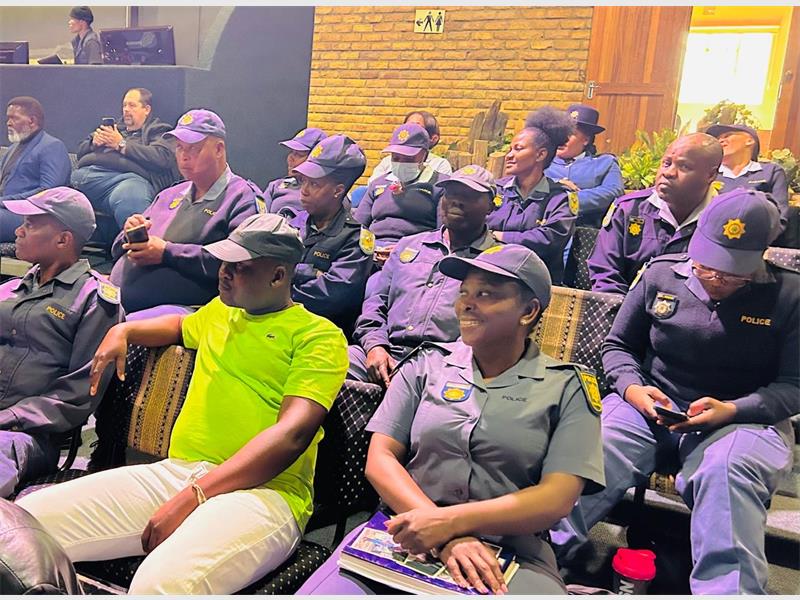
The engagement brought together SAPS management, Social Crime Prevention Coordinators, Community Policing Forum (CPF) representative Pearl Manqele, faith-based organisations, pastors, SAPS chaplains and other community stakeholders.
The meeting focused on introducing and discussing the Spiritual Crime Prevention initiative, clarifying its framework and operational processes, and strengthening cooperation between SAPS, the CPF, faith-based organisations and other stakeholders.
The framework was presented by Sergeant Maxwell Mabunda from the Ekurhuleni District Office, who outlined the initiative’s objectives, structures, responsibilities and implementation processes.
Addressing stakeholders, Sithole stressed the importance of ensuring that everyone involved understands the framework and their respective responsibilities.
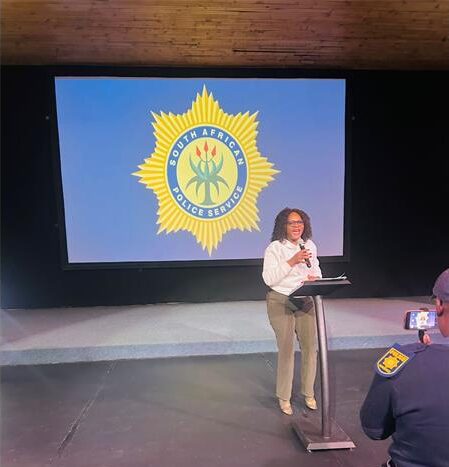
She said bringing stakeholders together was necessary to ensure participants in Spiritual Crime Prevention initiatives are properly guided and able to contribute confidently.
Sithole also emphasised that Spiritual Crime Prevention structures must have a clear understanding of their roles and responsibilities to function effectively in support of crime prevention initiatives.
SAPS Chaplaincy was represented by Chaplain Captain Jonqo.
The engagement highlighted the role of police chaplains in providing guidance to Spiritual Crime Prevention structures, particularly when participating in SAPS programmes and initiatives.
Screening and vetting
Participants raised questions about the screening and vetting of people involved in Spiritual Crime Prevention initiatives, including foreign nationals.
SAPS explained that all volunteers must undergo appropriate screening processes, including fingerprinting and profiling. Legally documented foreign nationals may participate, subject to the required verification and vetting processes.
The importance of volunteers signing the relevant CPF Code of Conduct and indemnity documentation was also emphasised.
Volunteers must be properly registered and reflected on the relevant database before being deployed or transported for official activities.
Strengthening partnerships
The meeting also discussed partnerships between SAPS, the CPF and faith-based organisations.
It was clarified that the Spiritual Crime Prevention framework accommodates interfaith and faith-based structures and is not restricted to individual pastors.
Social Crime Prevention coordinators were identified as an important link between SAPS and community partners.
Their responsibilities include facilitating partnerships, coordinating activities, identifying relevant stakeholders and ensuring programmes are properly planned and aligned with crime patterns and social challenges.
Station-level Social Crime Prevention Coordinators are expected to engage faith-based organisations and other relevant stakeholders within their policing precincts.
Elections and structures
The meeting discussed the establishment of formal, functional and representative Spiritual Crime Prevention executive structures within the Ekurhuleni District.
The proposed process will begin at station level, followed by elections at sub-district level and ultimately district level.
According to SAPS, the election process is expected to take place from mid-September until the end of October 2026, subject to formal communication and directives.
The elected structures will work in cooperation with relevant CPF structures and SAPS.
SAPS emphasised that Spiritual Crime Prevention activities should respond to identified crime patterns, hotspots and social challenges and should not be conducted without clear objectives and proper planning.
Activities must also be documented and reported through the relevant SAPS and CPF structures to show their contribution and impact.
District master plan
The engagement resolved to strengthen cooperation between SAPS, the CPF and Spiritual Crime Prevention structures, while ensuring proper screening and vetting of volunteers and maintaining an updated database of approved participants.
The district also plans to conduct regular workshops and training, improve transport and logistical support, strengthen cooperation with SAPS Chaplaincy and develop annual activity plans at station, sub-district and district levels.
The initiative will also focus on aligning activities with identified crime hotspots, crime patterns and community needs.
SAPS said a district-wide master plan for the 2027/2028 planning period will be developed, while communication between Social Crime Prevention Coordinators and community stakeholders will be strengthened.
The engagement concluded with a commitment to establishing stronger and more accountable Spiritual Crime Prevention structures and improving coordination between SAPS, the CPF, faith-based organisations and communities across the Ekurhuleni District.