Local activist feels media should improve coverage on Expropriation Bill
Feeling that the media is favouring one side of the story over others, Alex historian Thabo Mopasi suggests ways media can cover the Expropriation Bill better.
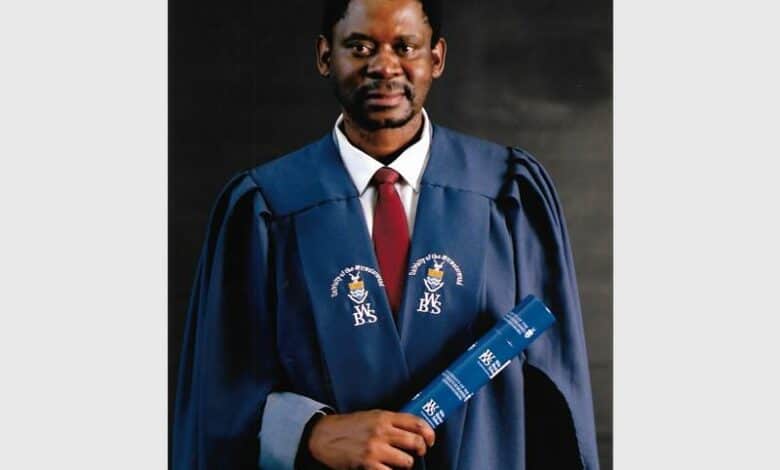
Local activist and historian Thabo Mopasi has called for improved coverage by the media of the Land Expropriation Bill, which was signed by President Cyril Ramaphosa on January 23.
Addressing his concerns via letter to the local media, Mopasi expressed concern over the lack of diversity in the perspectives offered by sources being interviewed in the media.
Read more: Alexandra’s Charles Mphephu shares notes with his activists’ counterparts in Spain
“It is essential to provide balanced coverage that reflects the views of all stakeholders, particularly those who have been marginalised historically,” Mopasi criticised. “Why is it that conservative voices, such as AfriForum, receive disproportionate attention, while the views of civil society organisations, churches, businesses – and the voices of the majority of African native people who have been dispossessed of their land – are largely ignored?”
Mopasi said it’s crucial that South Africa acknowledges the centuries-long history of land dispossession, exploitation, and violence inflicted upon indigenous South Africans.
Also read: Sterling community work pays dividends for Alex youth activist
“The arrival of Van Riebeek and the Dutch East India Trading Company (VOC) in 1652 marked the beginning of a painful and traumatic experience for our people,” Mopasi said. “Despite this history, indigenous South Africans consistently demonstrate Ubuntu (humanity towards others) showing generosity and compassion even towards those who have wronged them.”
Mopasi suggested the adoption of a more inclusive approach to reporting on the expropriation of land in South Africa towards promoting a more nuanced understanding of the debates on the Bill by:
• Providing a platform for diverse voices, including those of historically dispossessed communities, civil society organizations, churches, businesses, and government officials.
• Engaging in ground-level reporting, visiting rural areas and townships to gather stories and concerns from affected communities.
• Avoiding biased reporting and striving for balance, reflecting the complexities of the issue.
• Providing historical context, acknowledging the roots of land dispossession and its ongoing impact.
• Using data-driven reporting to illustrate the extent of land inequality and the effects of land expropriation.
Follow us on our Facebook, X, Instagram and TikTok pages. Join our WhatsApp group for any story ideas you may have.
Related article: Education works wonders, says Alex gay rights activist Asser Nkosi