
Mastering burn emergencies: Essential first aid and prevention guidelines
From minor discomfort to life-threatening emergencies, burn injuries are distressingly common and a major cause of death and disability in South Africa.
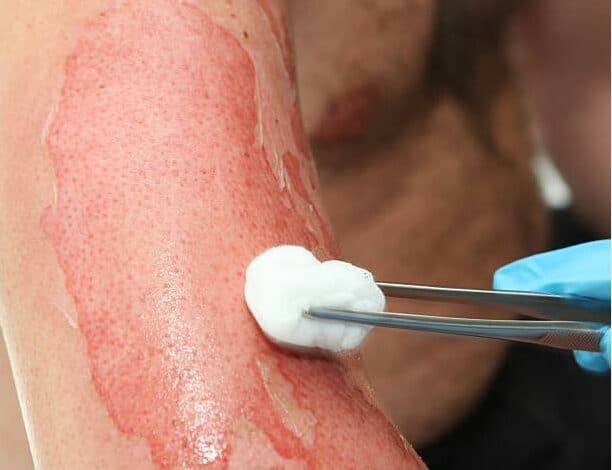
This year, the South African Department of Health observes Burns Awareness Month in May, with the National Burns Awareness Week occurring during the week of May 5-9, focusing on education and prevention to reduce burn injuries, particularly in the home.
According to the World Health Organisation, burns are a leading cause of death among children worldwide, with an estimated 180 000 adult and pediatric deaths occurring annually.
From minor discomfort to life-threatening emergencies, burn injuries are distressingly common and a major cause of death and disability in South Africa.
Also read: Look after your children’s gut health
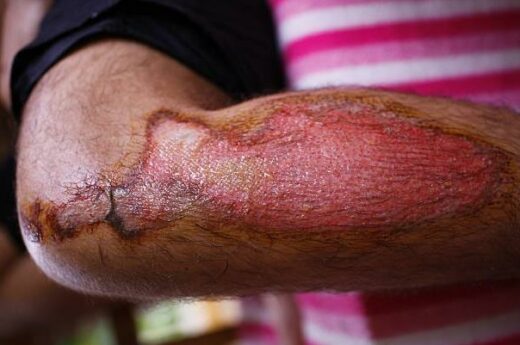
Mande Toubkin, the general manager of emergency, trauma, transplant, and corporate social investment at Netcare, underscored the preventability of many incidents and the critical role of immediate, proper first aid in the healing process.
“Common causes of burns, such as hot water, fire, and electrical mishaps, highlight the necessity of proactive prevention measures,” she said.
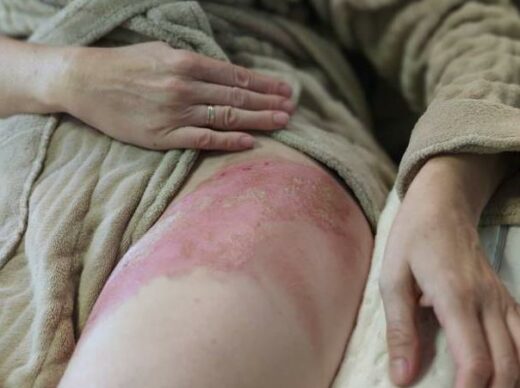
“Children are naturally curious, and as soon as they become mobile or start walking, they begin exploring their environment. They may, for example, try to pull pots or kettles filled with boiling water down, touch hot objects like stovetops, or play with fire, matches, or candles. Unfortunately, indoor fires caused by candles or paraffin lamps left unattended and primus stove explosions are all commonplace in South Africa. We also see electrical burns fairly often.”
Also read: Watch: Fire destroys container classrooms at Dr Mathole Motshekga Primary
Emphasising the role of education, Toubkin advocates for simple interventions such as containing flames with sand-filled bottles and educating children on fire safety techniques. She also shares guidelines for determining burn severity and the basic do’s and don’ts of first aid, ranging from remaining calm to avoiding home remedies, which serve as crucial guidelines for effective intervention.
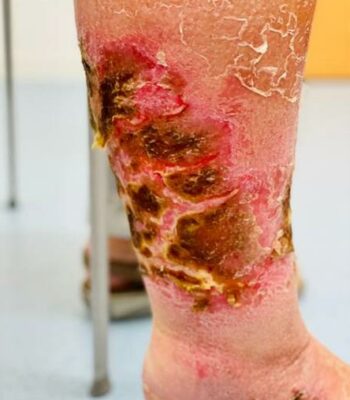
“Most burns patients, even those with burns over more than 70% of their bodies, can be successfully treated and managed if admitted timeously to a specialised, multidisciplinary burns facility such as the burns unit at Netcare Milpark Hospital. However, an effective continuum of care, from the paramedics who first attend to the emergency through to final rehabilitation, is critical to achieving such positive outcomes.
“Having witnessed the plight of so many seriously injured and desperately ill patients, many of whom are young children, I urge everyone to educate themselves and their loved ones to help prevent burns. Together, we can effectively reduce and mitigate the toll of burn injuries, offering hope and healing to those in need.”
Read more: Do you know basic first aid?
Understanding burn severity
Highlighting the determining factors of burn severity, Toubkin stresses the critical need for tailored treatment and timely access to specialised care.
- Superficial partial thickness (first-degree burns): Typically heals with minimal scarring.
- Deep partial thickness (second-degree burns): Seek medical advice for severe pain and blistering.
- Deep thickness (third-degree burns): Require immediate medical attention due to extensive damage.

Do’s of first aid for burns
- Remain calm: Keeping a level head is crucial in any emergency.
- Extinguish flames: Teach the ‘Stop, Drop and Roll’ technique, especially to children.
- Ensure safety: Prioritise safety, especially in electrical or chemical burn cases.
- Cool the burn: Run cold water over the affected area for at least 20 minutes.
- Seek medical help: Call emergency services immediately for appropriate assistance.
- Address smoke inhalation: Prompt evaluation is crucial to prevent complications.
Also read: Region A’s state-of-the-art Hikhensile Clinic rapidly taking shape
Don’ts of first aid for burns
- Do not try home remedies: Avoid applying ice or oily compounds to burns.
- Do not peel blisters: Opening blisters can increase infection risk.
- Do not underestimate the severity: Consult medical professionals for proper assessment and treatment.
Burns prevention tips
- Adjust geyser temperatures to prevent scalding.
- Control bathwater temperature to avoid burns.
- Keep hot appliances out of children’s reach.
- Maintain fire extinguishers and smoke detectors.
- Exercise caution with flammable substances and heat sources.
- Do not use liquid accelerants to start fires.
- Ensure electrical safety and responsible smoking habits.
Follow us on our Facebook, X, Instagram, and TikTok pages. Join our WhatsApp group for any story ideas you may have.
Related article: What you need to know about paediatric burn injuries