
Human Rights Day becomes holiday without meaning for many youth
Human Rights Day risks losing meaning among the youth, but local organisations are working to restore awareness and responsibility.
Human Rights Day was recently commemorated nationwide, with South Africans honouring the victims of the Sharpeville massacre, the tragic aftermath of the mass shooting of people who were peacefully protesting against the pass laws on March 21, 1960.
Read more: Young people urged to reflect on human rights and their role in society
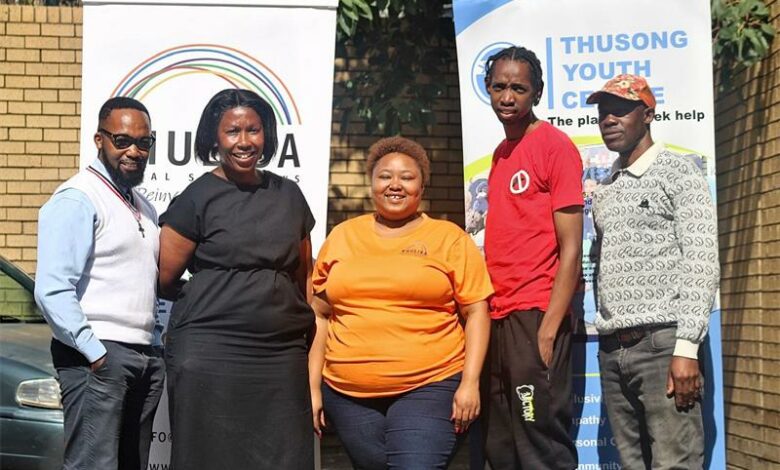
Today, March 21 has increasingly become just another holiday for many young people, marked by parties and leisure rather than reflection, according to co-ordinator and dialogue facilitator at Thusong Youth Centre Thumeka Joos. The concern is that young people are no longer in tune with that history, and do not understand the significance of the day. “Even on Human Rights Day, the youth don’t know what is happening. To them, it is just a holiday. They drink and party, but they don’t know the real meaning of the day.” It was for this reason that Thusong Youth Centre and Khulisa Social Solutions invited young people to participate in a dialogue circle, centred on issues of human rights on March 31.
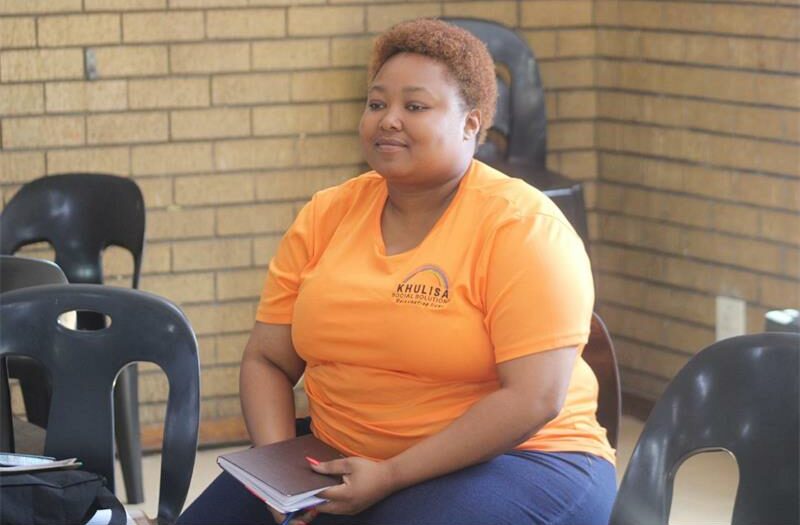
Joos said that they felt it necessary to give young people information, and also to offer a platform to share their thoughts. She explained that the aim was to understand how the youth of Alexandra feel about human rights, whether they still enjoy those rights, and whether they realise that rights come with responsibilities.
As an organisation at the heart of youth development, the intention was not only to gather young people’s perspectives, but also to use the insights to better understand how to support them. A common challenge raised during the dialogue was that most young people are not well informed.
Also read: Its all systems go for Alexs Human Rights Day race
According to Tabile Molefe, a social auxiliary worker at Khulisa Social Solutions, this lack of knowledge is even more concerning when older people, who one would assume know at least a little about human rights, also show gaps in understanding. “We do receive people who come to the office looking for information that is supposed to be common knowledge. Without engagements like these, we risk having a misled community.” She added that, during outreach programmes, it became clear that many young people ask questions they should already know the answers to.
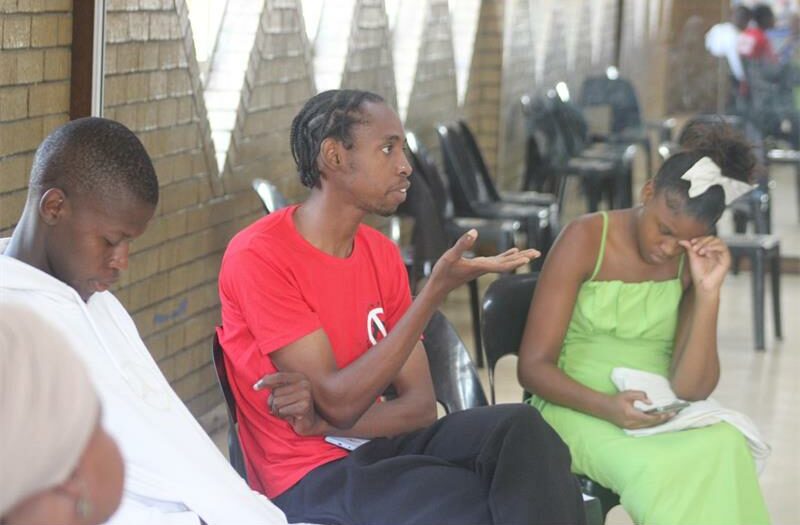
Joos partly attributed the lack of information to youth ignorance. “We feel that the youth are ignorant and don’t have enough information about what is happening around them.” She said some young people feel their rights are violated, but do not know where to report such issues.
According to Molefe, these dialogues are vital if the community hopes to nurture good leaders. She warned that the consequences of ignorance could be dire for both the community and the country. “Remember, these young people are supposed to be our future leaders, but who can they lead if they don’t have information? If knowledge that should be common is lacking, then we are heading towards a failed generation.”
Follow us on our Whatsapp channel, Facebook, X, Instagram and TikTok for the latest updates and inspiration!