Eight-week programme empowers youth to bridge Alexandra’s caregiver gap
From elderly residents to vulnerable children, trained, young caregivers are poised to ease burdens on families and strengthen community health.
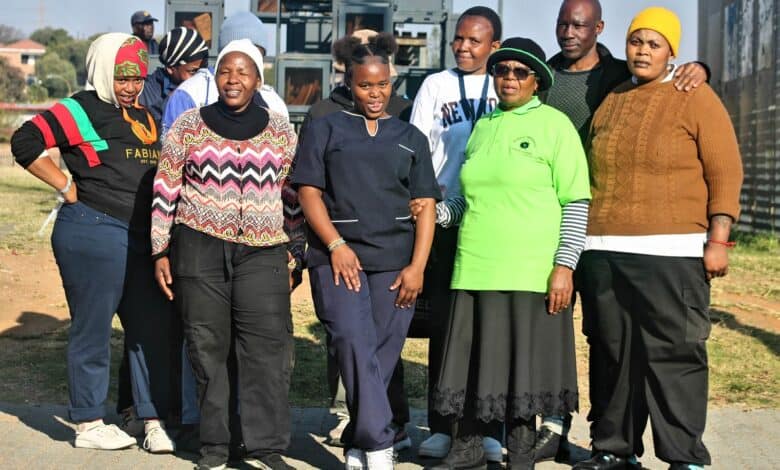
Barely eight weeks after its launch, a free, home-based care training programme in Alexandra is already equipping the youth with practical experience.
Participants have already gone to support multiple centres and old age homes, turning their newly acquired skills into real community impact.
The eight-week programme was launched in April at Entokozweni Day Care Centre through a partnership between Gift of Day and Sibongile Home Based Care.
Read more: Dysfunctional families fuel Alexandra’s youth struggles
It aimed to equip local youth with practical caregiving competencies to support elderly residents, people with disabilities, the chronically ill, and vulnerable children, especially in a community like Alexandra, where formal care services struggle to keep pace with demand.
Slindo Mdlangathi, one of the trainees, brought personal experience into the programme. Having cared for her grandmother, she found the training aligned perfectly with her natural calling. “Thus far, I am enjoying it, helping the elderly, and the practicals at Roma.
“I realised that there are a lot of elderly people who need help because they cannot do things by themselves. That’s what inspired me.”
Mdlangathi now plans to expand her scope to include child caregiving. She added that the programme has given her greater confidence to serve effectively.
Programme facilitator Patrick Ngidi said the first two months focused heavily on theory before moving swiftly into practice.
Also read: Fabulous 50+ celebration brings joy and companionship to Alexandra’s seniors
Participants studied personal hygiene, psycho-social support, substance abuse awareness, community challenges, first aid, and fire prevention, modules designed for the realities of Alexandra households.
“We have realised the gap between the healthcare system and our community. So, we felt that there is a need to groom young people who will be instrumental in taking care of frail, elderly, and disabled people.”
Trainees have already done practical rotations at old age homes and care centres, learning essential hands-on skills such as monitoring blood pressure and blood sugar levels.
Ngidi said these basics enable early detection of problems and timely intervention. “Some people collapse and die preventable deaths simply because there was no one in the house taking care of them. So, this training is very necessary.”
As the programme edges closer to conclusion, Ngidi remains hopeful that it will not only address immediate care shortages, but reduce the pressure on families and the public health system.
Follow us on our Whatsapp channel, Facebook, X, Instagram and TikTok for the latest updates and inspiration!