
Joburg’s “rosy” recovery narrative faces sharp rebuttal
The mayor’s address promised resilience and long–term vision, highlighting debt relief and labour market strength. His critics, however, warned that Eskom threats and service failures reveal a city in crisis.
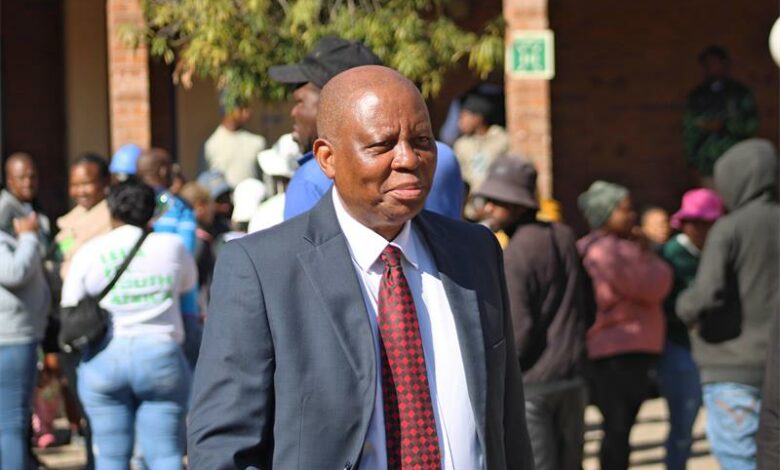
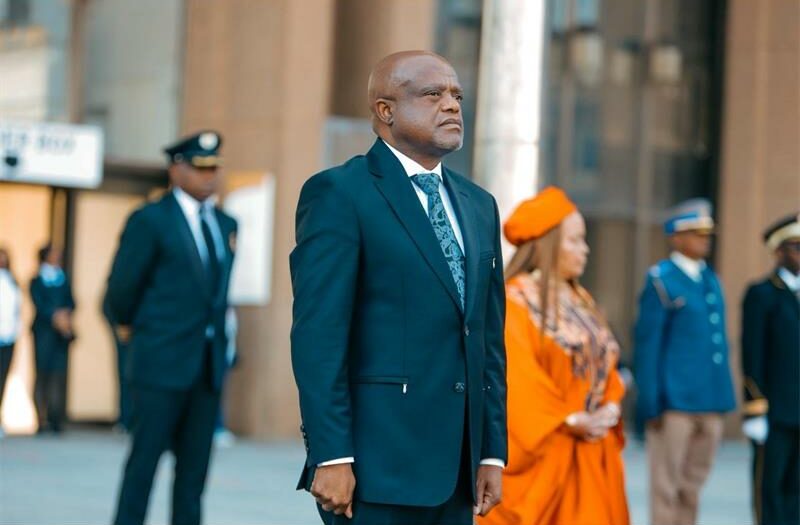
Johannesburg’s Executive Mayor Dada Morero, delivering his 2026 State of the City Address, offered a carefully calibrated narrative of resilience and recovery.
He insisted the city was laying solid groundwork despite deep inherited woes. Yet the speech, rich in statistics and comparisons, drew fire from mayoral candidates who dismissed it as polished spin detached from residents’ daily struggles.
Read more: Mayor vows to rebuild Alex
Morero acknowledged the difficulties, noting the city was ‘broke’ when his administration took over in 2019 after Herman Mashaba’s Democratic Alliance-led tenure. Still, he highlighted labour market resilience. “Our working-age population grew by 14 000 people, compared with 11 000 in Cape Town. Even with that added pressure, we recorded net employment growth of 23 000 people, while Cape Town recorded an employment decline of 33 000 over the same period.”
He added that Johannesburg’s unemployment rate fell by 0.9 percentage points to 34.7%, compared with Cape Town’s increase of 1.6 points to 21.4%. He repeatedly contrasted the two metros, accusing the DA-led city of neglecting basic human needs such as food security.
Financially, Morero pointed to improved collections, higher tariffs, a debt relief programme with 50% write-offs, controlled wages, and a healthy 4% interest cost ratio. He announced plans to dispose of non-strategic assets. “This will include the sale of the vacant land portion of our debtor’s book. The vacant land debtors book is currently valued at R3.2b.”
On the Eskom debt crisis, which he termed ‘the elephant in the room,’ Morero promised cooperation rather than confrontation.
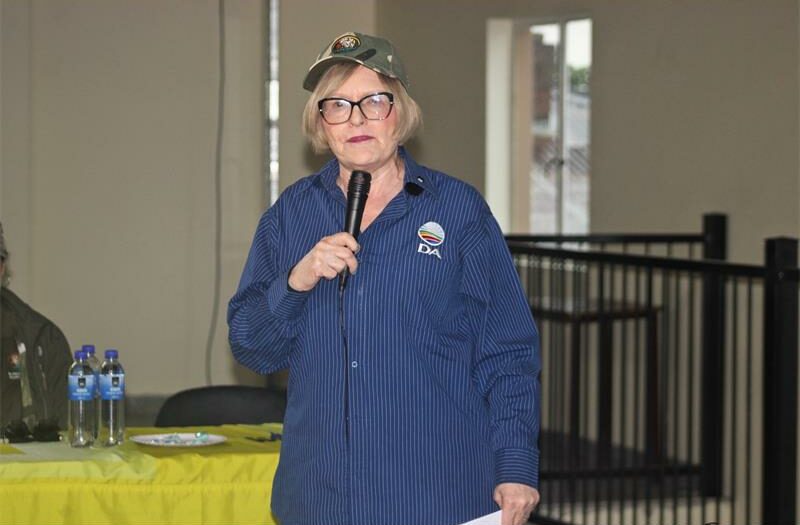
Democratic Alliance’s mayoral hopeful Helen Zille offered the sharpest critique, focusing on the R5.2b Eskom debt.
“Eskom has issued a formal notice threatening to reduce, interrupt, or terminate electricity supply to bulk points across the city… That means your lights, your fridge, your geyser, and your business are at risk,” she warned in a social media post.
Also read: Joburg mayor debunks MMC reshuffle rumours
Zille slammed the City Power turnaround plan, saying similar promises had been heard from the ANC before. She also questioned the rationale behind the new €200 million borrowing. “How do you take on more debt when you cannot service the debt you already have? That is not financial management, that is like a payday loan because your whole salary goes into paying back past loans.”
Defending Cape Town, which Morero repeatedly contrasted with Johannesburg, Zille said electricity losses were below 10%. “The city pays its Eskom bill on time every month because competent governance means you collect revenue properly and spend it on what matters.”
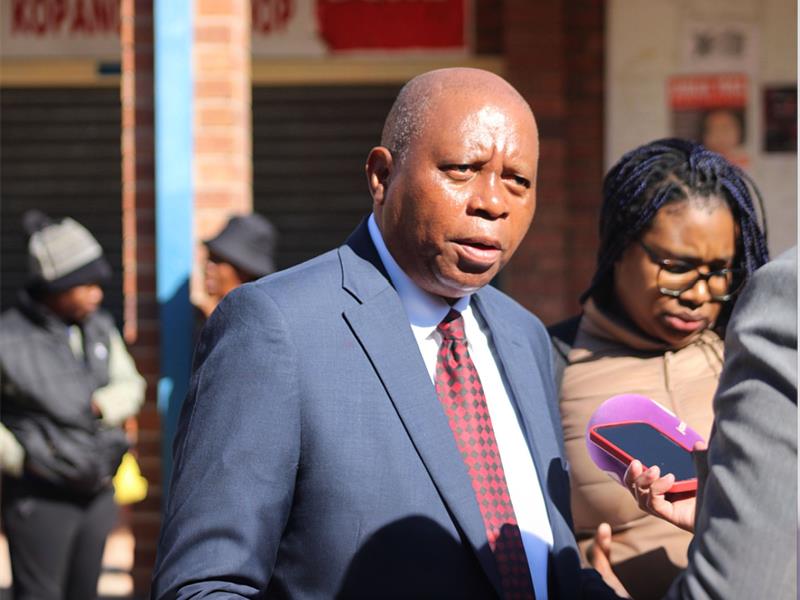
ActionSA’s mayoral candidate Herman Mashaba rejected the narrative outright. Delivering what he called the ‘Real State of the City Address’ in Alexandra on May 20, Mashaba said Johannesburg was visibly in decline. “No amount of political spin can change what residents experience every single day,” he said.
Despite Morero’s assertion of inheriting a broke city, Mashaba recounted progress during his 2016–2019 term, from infrastructure investment to inner-city renewal, lamenting that momentum had since stalled amid instability.
While Morero projected long-term vision and partnerships, the duelling statements by Mashaba and Zille exposed a city where official optimism collides with lived hardship.
Follow us on our Whatsapp channel, Facebook, X, Instagram, and TikTok for the latest updates!