Phoenix Alexandra says a child’s academic development is everyone’s responsibility
Community organisations and parents join hands to support children with unique learning needs and build self-esteem.
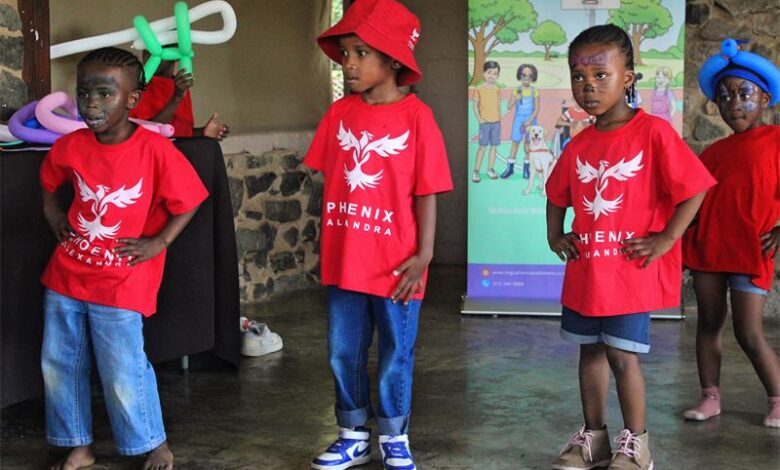
Teaching learners how to read and write is a shared responsibility between teachers and the community, according to Phoenix Alexandra founder Nkateko Mabasa.
Mabasa said that the burden of improving literacy has traditionally rested on teachers, which can have dire implications for learners’ literacy rates – especially in Alexandra, where educators face overcrowded classrooms and limited resources.
Read more: The Phoenix Alexandra needs your help
“I feel like teachers are under so much pressure already. In a class, they have about 72 learners, and some learn differently,” Mabasa said. “Because they have so many children, when will they get the time to reflect on whether they are teaching each child correctly? They don’t have the time.”
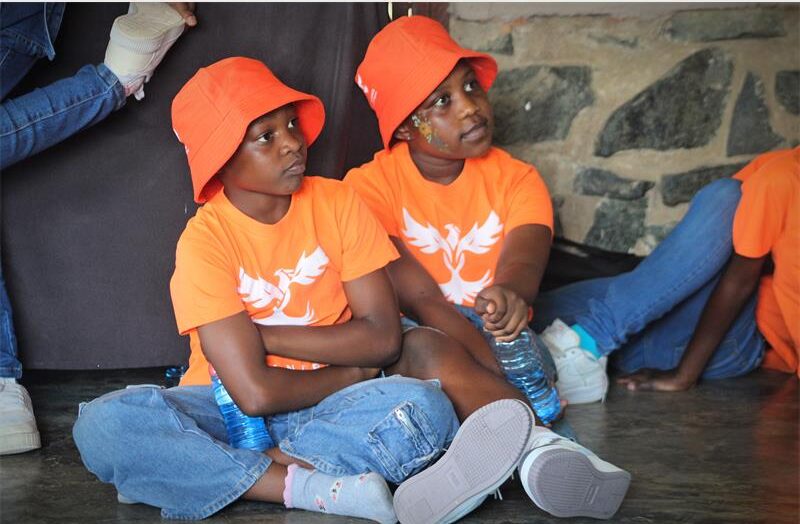
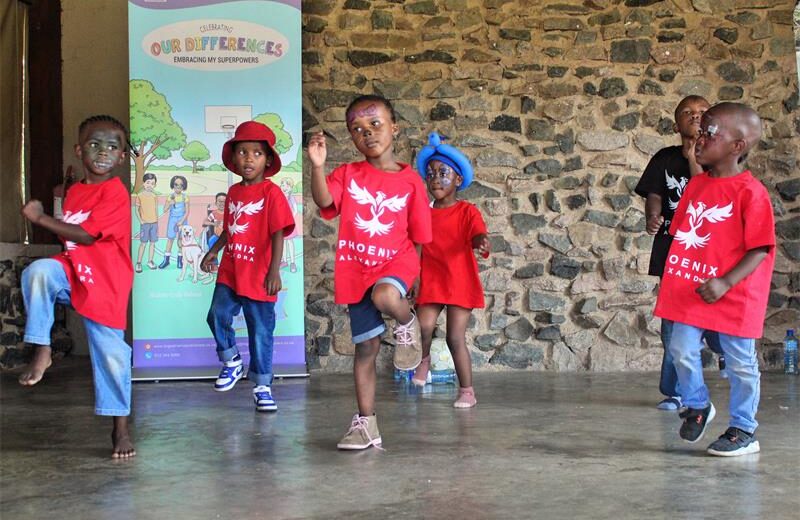
She said a recent event in Linbro Park on October 18 formed part of their efforts to share the responsibility of improving literacy rates, which she argued are alarmingly low among Grade 4 learners. Mabasa felt it was important to support teachers to change this.
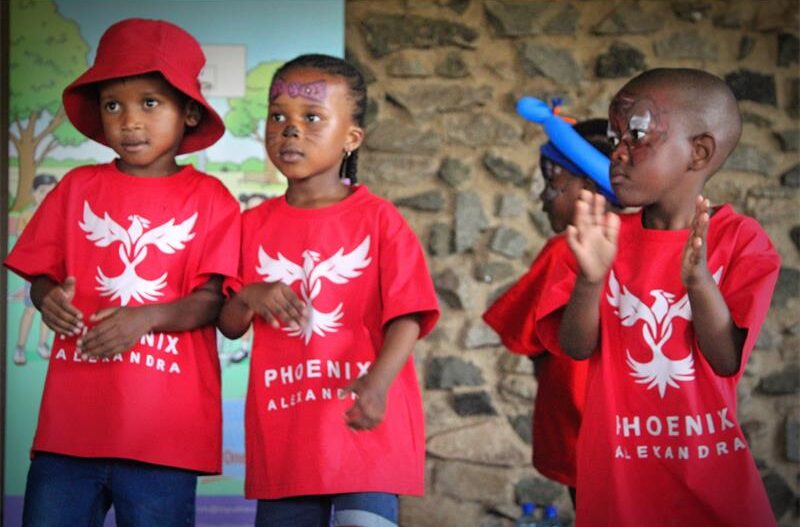
“They need to be able to express themselves through reading and writing. So, we decided to create a programme including a reading club, a spelling bee, and poetry,” she said.
She noted that she involves the organisation and parents in a child’s learning journey.
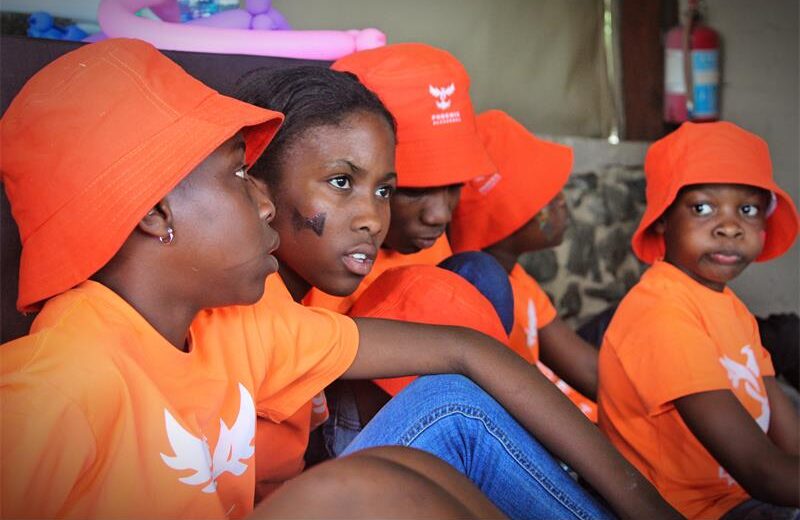
Parent Keneuoe Posholi emphasised that this support is crucial because teachers, parents, and learners form the tripod structure necessary for a child’s academic development.
She said Phoenix not only creates an alternative learning environment but also gives learners a chance to be taught by someone other than their teacher.
“I believe if the child cannot understand me as a teacher, at least Nkateko can help the child improve,” Posholi said. “It is very important to have these kinds of organisations, especially in our schools, because teachers, children, and parents are all frustrated.”
Posholi said that although her daughter was not struggling academically, she struggled to express herself.
Also read: The Phoenix rises from the ashes in Alex
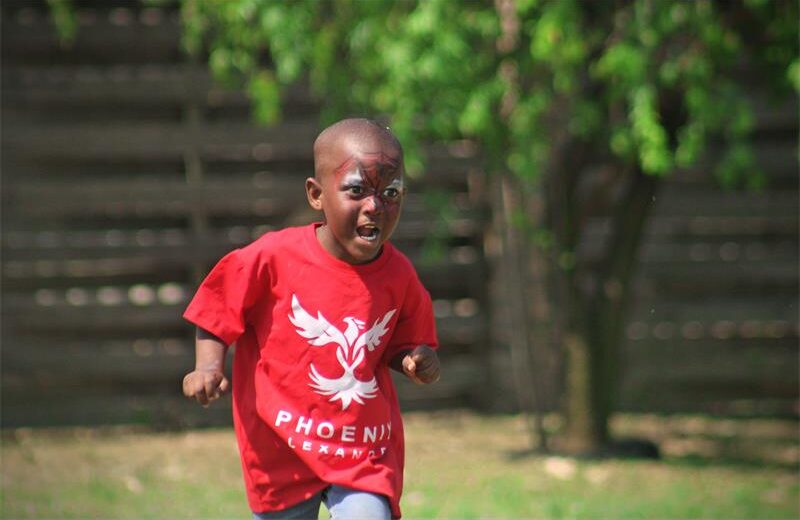
“She was struggling to engage with other people and would hide her hands, but now she is confident.”
This aligns with Mabasa’s book, Celebrating Our Differences: Embracing My Superpowers, which explores the journey of three children — Jabu, Melody, and Gugu — living with disabilities.
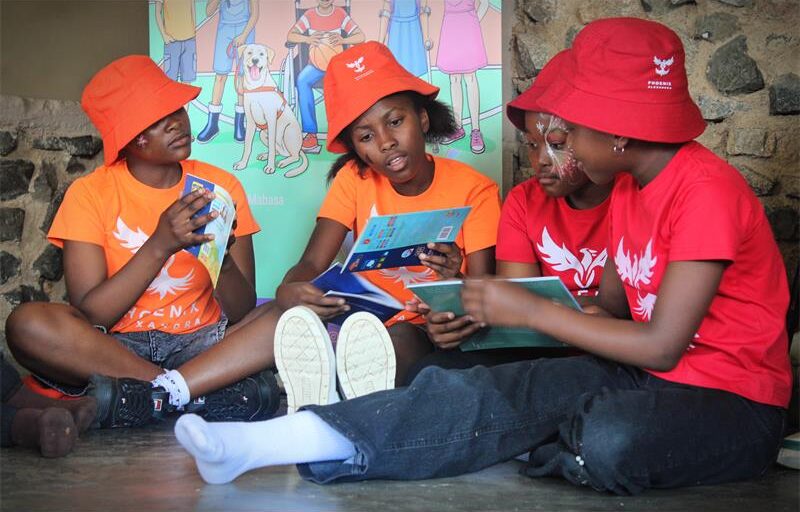
Mabasa noted that for learners to represent themselves, they first need to accept themselves and embrace their differences. She added that teachers, organisations, and parents have a duty to create a safe environment for learners to accept and express themselves.
“We are all responsible for shaping a child’s future, whether academically or otherwise,” Mabasa said.
Follow us on our Whatsapp channel, Facebook, X, Instagram, and TikTok for the latest update