Grow great grub
To grow the best you need to prepare the soil and make sure there is enough organic material and fertiliser to give you the best tasting crop.
It’s time to plant the first crop of summer edibles.
Growing your own is one of the biggest trends in gardening today.
Seasonal and artisanal are the big buzz words and there are more and more unusual and different edibles available each year.
To grow the best you need to prepare the soil and make sure there are enough organic material and fertiliser to give you the best-tasting crop.
Every garden or balcony has a spot for some herbs or veggies.
Besides the cost savings, the taste is always better and it is so rewarding when you put a salad on the table that is truly home made.
As any gardener knows, growing vegetables is more than about saving money.
Growing your own vegetables is healthier for the family because the produce is fresh you can control which chemicals if any are used.
It is better for the environment by reducing the cost of food transport, there are educational benefits for the children, and besides that, the vegetables will taste so much better.
The general rule for growing food is if you are going to eat the leaves they will take a bit more shade. If you are going to eat the fruits or flowers give them more sun.
The best tip on growing your own is to grow the produce your family will eat.
Don’t grow pumpkins if only dad will eat it. It is easier to maintain interest if the whole family can share in the spoils.
What do they need?
By giving the correct growing conditions a plant is produced that is more disease resistant.
Plant in a sunny position with at least six hours sun a day in well-drained soil with plenty of compost.
Good healthy soil will ensure good, healthy plants so this is probably the most important step you will take in growing your own vegetables.
Apply BioGanic at planting and again every six to eight weeks till harvest. This will give you strong plants that are less susceptible to disease and as organic produce, have the best flavour.
Fruiting veggies, berries and trees need BioOcean as a feeding through summer to encourage flowers.
Feeding with an organic fertiliser is an ongoing process and regular applications are required for best results.
Veggies and herbs grow with stronger structure when fed organically instead of being forced with a chemical fertiliser which results in plants that have better colour and stronger flavour.
Care and Tips
• Water at least once a week in dry weather.
• Plant at intervals to ensure a season long supply to avoid an all ripe at once situation.
• Use a liquid organic fertiliser, Nitrosol, when growing veggies in containers.
• Harvest spinach and lettuce leaf by leaf to ensure a summer long supply.
• Consider the need for crop rotation. Crop rotation is simply not to grow the same vegetable in the same bed for two seasons in a row to try to prevent depletion of nutrients in the soil.
• Don’t plant too many of the same. It won’t help if the tomatoes take over everywhere or you end up with only lettuce or Basil. Mix your choice and plant new supplies every three to four weeks to ensure continued supply.
• Plant seeds as well as seedlings to increase the selection. Seeds are a great way to introduce kids to gardening and for little ones let them try Radishes, they germinate in four days.
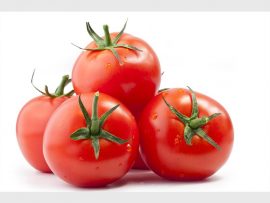
Tomatoes
Tomatoes do best in an area that gets full sun or at least eight hours of sun or they will get spindly and produce little mature fruit.
They also produce well if you ensure a good soil at planting by adding liberal compost and organic pellets.
Crop rotation is one of the best ways to ensure better quality fruit so therefore it is recommended planting them in a different spot every year alternating with non-related veggies such as beans or lettuce.
Tomatoes do best with Bio Ocean.
Floradade: The Floradade tomato is a disease-resistant variety developed in the 1970’s and is one of the most popular with a medium sized fruit that is quite fleshy.
Yellow Pear: The cherry tomato Yellow Pear has become a great addition to the veggie garden adding a different colour to salads with the ripe fruit a vibrant yellow colour.
They are very prolific bearers and you will have an almost endless supply through summer from just a few plants.
Mariana: This relatively new variety was added to the range a couple of years ago and has fast become popular as a jam tomato.
The fruit can get quite large and a fun one to grow for kids who want to try and grow the biggest one.
Chillies
Chillies come in all shapes, sizes and colours ranging from tiny extremely hot chillies to the larger fleshy peppers.
This is the best time of the year to select as you can harvest almost immediately.
Chillies will grow in some light shade but grow best in hot sunny spots in a well-drained soil.
Chillies do not need much water at all.
Water them once or twice a week and keep them slightly dry between watering.
Feed with an organic plant food. This will produce stronger plants with better flavour than plants that are forced with chemical fertilisers.
Jalapeno: Rated four on the hot scale they are one of the most commonly grown home chillies.
The finger shaped fruit can be used when green or as they ripen to a deep red.
Habanera: Rated nine on the hot scale is one of the hottest growing in SA. The yellow fruit is slightly pear shaped and as they ripen have a slightly wrinkled appearance. Used sparingly in cooking, they add the kick when one needs to feel the burn.
Leafy greens
No summer salad is complete without leaves.
For many leaves are ways to bulk up a salad but if you use the correct ones based on flavour\ they become the base of your salad adding the strongest flavour.
Leafy vegetables are brimming with fibre along with vitamins and minerals.
BioGanic is best for a leafy crop.
Basil: One of the most popular green leafy herbs is one plant you don’t need green fingers to grow. They grow in semi-shade to sun and will grow in almost any soil conditions. The more you harvest the more compact it grows.
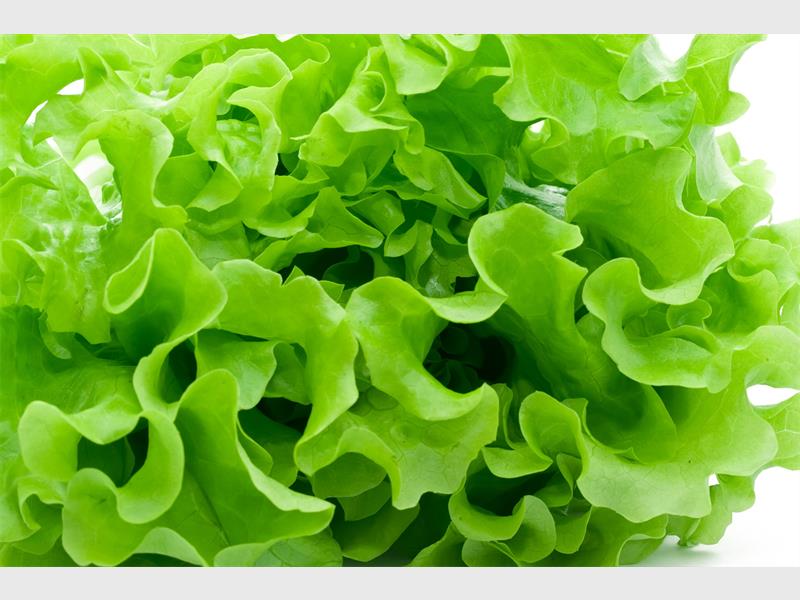
Lettuce: Lettuce grows best where they do not get too much water on the leaves.
Summer lettuce is best grown as perpetual lettuce where you cut leaves from the sides of a growing plant leaving the centre to keep growing.
Red leafed lettuce will need more sun than green leafed ones.
Rocket: The delicious peppery taste of rocket makes it a wonderful addition to salads and stir fries. Grow rocket just as easily from seed or seedlings in semi-shade.
If you let them come into flower they often self-seed and if you let them grow in a slightly drier spot they have a stronger taste.
Parsley: Parsley requires a good amount of light and will do best when receiving around six hours of sun a day but will tolerate partial shade.
Parsley likes a well drained, moisture retaining soil.
You can harvest Parsley by cutting the outermost stalks just above ground level.
This will encourage further growth. Cutting near the top of the stalks will not encourage such vigorous growth.
Time to sow
Sowing seeds are not only the most economical way to grow your own veggies. It is also a practical way to stagger planting so that the whole crop is not ready at the same time.
Sowing veggies at a six-week gap allow harvesting on the first batch while the next batch is just maturing and the next planting is only just starting to set fruit.
Carrots: Did you know that there are close to 7 000 seeds in a packet of carrot seeds.
Carrots are fun to grow and are a great way to teach children about plants and food growing.
Try different varieties for something different.
Nantes is a thinner variety of carrot which generally makes them sweeter and Chantenay Karoo is a thicker carrot making them ideal for use in stews.
Carrots will grow in semi-shade to sun in most soil conditions.
However, they prefer a fine textured soil with sand and plenty of compost dug into it.
Depending on the size of carrot to be grown, the soil needs to be loosened to a depth which will enable the carrots to grow down into the ground easily and all stones removed to prevent distortion and forked roots.
Beans: There are two distinct varieties of beans, namely bush beans or runner beans.
Runner beans climb so they do need support but they also give a much bigger harvest.
Plant a Lazy Housewife against a wall or up a wigwam frame where they get full sun.
One of the newer varieties is Timbavati, a bush bean that produces a high yield of very similar sized round beans.
Mielies: South Africans love their mielies, especially the traditional tall growing white mielie.
Plant mielies at the back of your veggie garden in maximum sun.
Mielies can easily grow up to two meters high and can even be used as a screen.
If fertilised well as young plants they need little to no feeding and produce a good crop even if you neglect to water them.
Sweetcorn and mielies grow much the same way and can easily be planted to create a fun summer maze.
Information supplied by Eckards Garden Pavillion