Give blood and make the world a healthier place
This year, World Blood Donor Day finds us facing a unique set of circumstances not seen in many years.
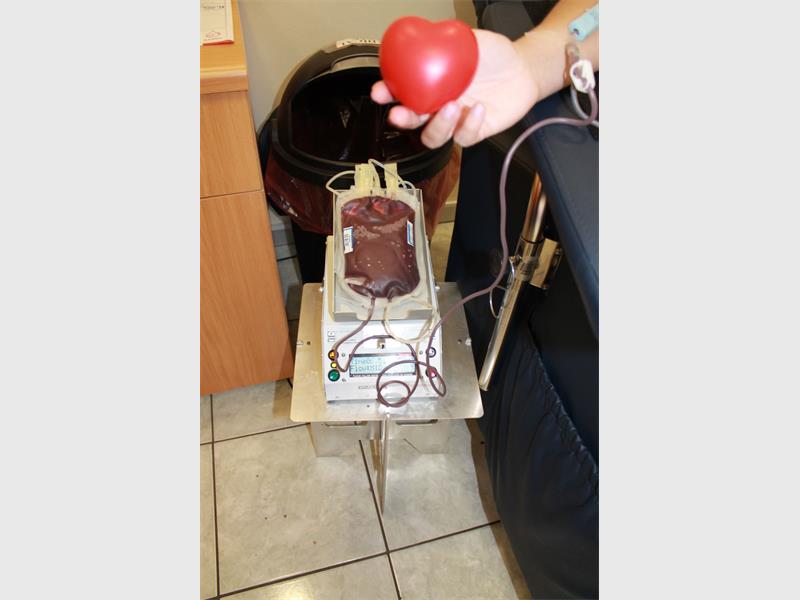
Each year, millions of South Africans need blood transfusions in order to lead healthy lives.
If it weren’t for voluntary blood donations, who knows how many people would have access to safe blood when they needed it.
This year, World Blood Donor Day finds us facing a unique set of circumstances not seen in many years.
Even amid a pandemic, with hordes of people receiving coronavirus treatment in hospitals, the need for blood has not slowed down.
The South African National Blood Service (SANBS) celebrates this annual observation which focuses on the contributions of selfless blood donors who contribute towards the health and well-being of others.
Also read: Community members to make use of alternative numbers – CoE
Once again, the SANBS commits to celebrating and extending heartfelt gratitude towards all its blood donors.
“June 14 is a day that is particularly close to our hearts. We work tirelessly each year to ensure that safe and affordable blood products are available to our fellow countrymen and we cannot negate the monumental role played by all our committed donors. We thank donors for their selfless acts, and so do the recipients of their blood,” said SANBS chief marketing officer Silungile Mlambo.
It is worth noting that the involvement and support of blood donors is most effective when individuals commit to donating regularly.
The task of getting donors to commit regularly is a great challenge and SANBS hopes that through hearing and reading shared stories from people whose lives have been saved by blood transfusions, people are motivated to adopt regular blood donation.
Also read: Certain tariffs will not increase in Ekurhuleni
To find out more about where you can donate blood, visit sanbs.org.za or call 0800 11 90 31.
Connect with them on Twitter (@theSANBS), Facebook (@SANBS) and Instagram (@thesanbs).
This is where your blood goes
There is a misconception that most of the blood donated in South Africa goes to accident victims.
This is not the case.
Here is a rough breakdown from the SANBS of where the blood it collects is used:
• 28 per cent is used to treat cancer and aplastic anaemia
• 27 per cent is used during childbirth
• 21 per cent is used for scheduled surgery
• 10 per cent is used for paediatric care
• Six per cent goes to laboratories
• Six per cent is used for orthopaedic care
• Four per cent is used for accident or trauma victims.