Probus Bedfordview spotlights stem cell technology
Welgemoed, a former nurse, shared insights into how light-based technology is harnessed to stimulate the body’s natural ability to heal and regenerate without using pharmaceuticals.
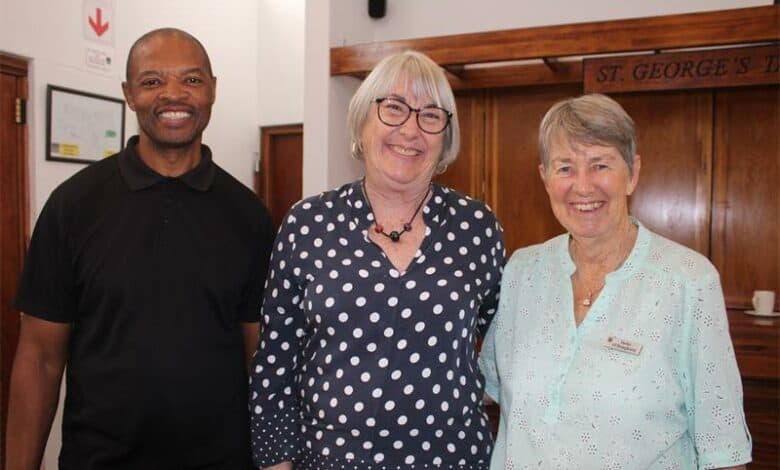
Alexandra Welgemoed, a wellness and fitness entrepreneur, presented on the history and use of stem cell patches as Probus Bedfordview’s speaker for February 4.
Welgemoed, a former nurse, shared insights into how light-based technology is harnessed to stimulate the body’s natural ability to heal and regenerate without using pharmaceuticals.
She stressed that this innovation is not a form of medicine but a technological advancement in health and wellness.
ALSO READ: Residents invited to Probus Bedfordview’s meeting on February 4
The core principle of the technology is based on phototherapy, an established method used for various medical treatments likeneonatal jaundice and wound healing.

The technology uses a patch that reflects infrared light emitted by the body back into the skin, activating biological processes that can enhance tissue repair and regeneration.
“Humans naturally emit infrared light, which is seen using night vision devices. For centuries, we have known that light profoundly affects the body.
“This technology takes that understanding further by using light to stimulate the body’s restorative processes,” she explained.
The discussion also touched on the broader significance of stem cells in human health. Stem cells are the body’s foundational building blocks, responsible for repairing and maintaining tissue.
As people age, their stem cell count declines, which slows down the body’s natural ability to heal.
ALSO READ: Join Probus Bedfordview’s next meeting on October 1
The technology introduced aims to counteract this decline by encouraging the body to activate dormant stem cells, potentially improving recovery, energy levels and overall wellness.
Although the concept might seem futuristic, the speaker drew comparisons to other medical advancements that once seemed improbable but are now commonplace.
“Years ago, patients who underwent bypass surgery would remain on ventilators for days. Today, they are breathing on their own almost immediately post-surgery.
That’s the power of technological advancement,” she shared.
She said the patches are classified as wellness devices not intended to diagnose, treat, cure or prevent diseases.