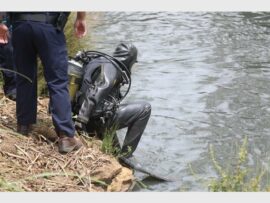
Meet the police divers keeping Gauteng’s waters safe
A team of dedicated SAPS members work tirelessly under water to help find missing persons, retrieve evidence and support rescue missions across the province.
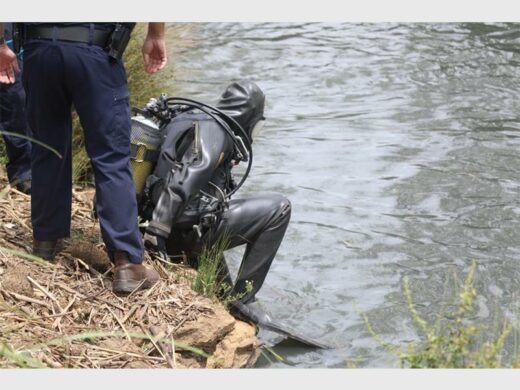
Comprising 34 members, the SAPS Gauteng Water Policing and Diving Services keeps people safe on the water, while contributing to crime prevention and evidence recovery.
Its members include divers, supervisors and vessel handlers backed by support staff and other specialised units within the Rapid Response Services.
According to the media liaison officer for the Police Emergency Services, Warrant Officer Grant Giblin, their services are a voluntary secondary function.
ALSO READ: Gauteng water police recover bodies and rescue two
“This means that the Water Policing and Diving Services is not a fixed establishment with its own members. The members doing this work do so beyond their usual daily police duties,” said Giblin.
The WPDS duties include recovering drowning victims and exhibits. It contributes to rescues, crime prevention, exhibitions, and the policing of certain events near dams and rivers.
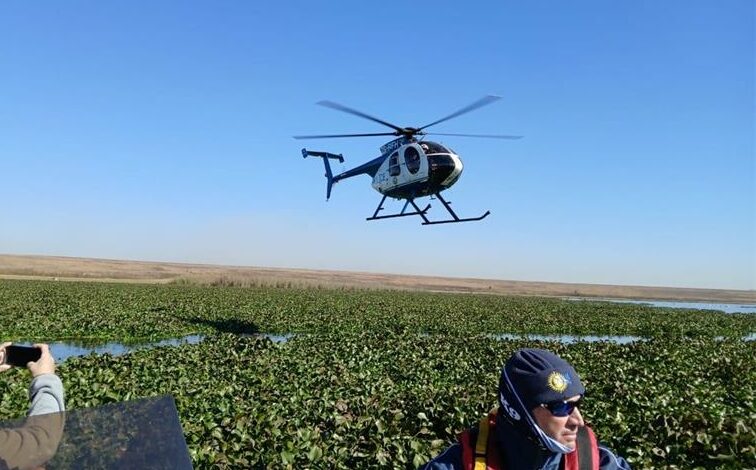
The WPDS regularly collaborates with the SAPS K9 Search and Rescue, the SAPS Air Wing and Drone Unit and other Gauteng emergency services.
“These collaborations play crucial roles in the extensive efforts demonstrated in, among others, the recent recovery at the Jukskei River of missing SAPS members and their vehicle,” said Giblin.
He said they conduct searches through various means, including air, canoe, boat and on foot.
Divers use diverse underwater techniques in dams, covering expansive areas in the search for victims.
Complementing their efforts are sniffer dogs from the K9 Search and Rescue Unit. They can detect gases released by submerged bodies and locations identified by eyewitnesses.
ALSO READ: Body recovered by Ekurhuleni Water police after man drowns
To become a member of this service, candidates undergo a week of preparation, testing their swimming skills and ability to manage dive-related phobias such as vertigo and claustrophobia. Maths and physics capabilities also get tested.
Successful candidates then attend a three-month class IV commercial diver training course.
Giblin said the Gauteng WPDS was accustomed to diving in dams and operating in rivers. However, they are always ready to react to disasters in SA and beyond its borders.
“These members keep current by exercising and training in water of fluctuating conditions, like coastal open water, harbours and swift-moving waters,” said Giblin.
Giblin said training adheres to the SAPS operational standards and the Occupational Health and Safety Act.