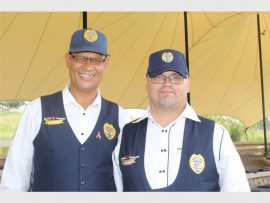
Chaplains from around Gauteng graduate
Anyone interested to be a chaplain can contact Holt on 062 887 0153 or email holttom46@gmail.com or admin@medicalchaplaincy.co.za
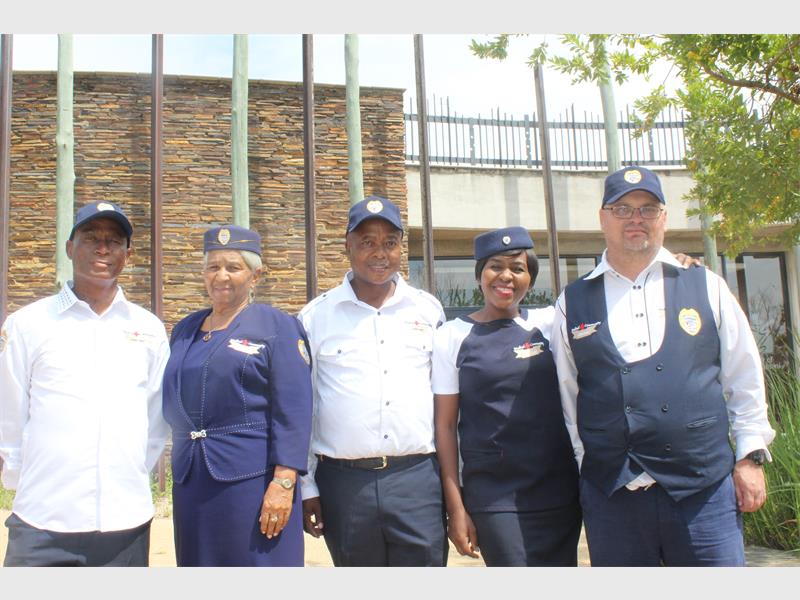
The Move for Transformation Ministries held the medical and community chaplain graduation on February 22 at the OR Tambo Cultural Precinct.
On the day, 35 chaplains from around Gauteng graduated.
National training commander Chaplain Tom Holt said the five-days training is provided to equip students to be able to provide emotional and spiritual support in times of trauma to all members of the community.
“The training is provided by various instructors covering community chaplaincy, medical chaplaincy (palliative care), leadership, National Interfaith Council of South Africa (NICSA) and spiritual care clinic,” said Holt.
“The training practicals are done at the Chris Hani Baragwanath Hospital’s Palliative Care Unit.”
ALSO READ:
Holt said students are trained regarding the important aspects of holistic care and after graduation, the chaplains are registered with the National Association for Spiritual Care Givers and Chaplains.
“Chaplains are acknowledged at a national level of government such as the presidency, the Department of Health, Social Development, Department of Justice, SAPS and constitutional development,” he said.
“As chaplains, we have access to emergency services through Dial Direct Insurance partnership for monitoring and evaluating purposes.”
Holt said he loves being a chaplain because they get to help people who don’t usually come forward and ask for help and people who are hurt emotionally and physically.
He added that they don’t only equip Christians but other religions as well and there is no age limit; however, you must be above 18.
The non-government organisation focuses on activism against gender-based violence, injustices, inequality, and substance abuse and works with different departments to combat social ills.
The services provided by the volunteers are:
• Spiritual counselling
• Pastoral care and support
• Skills development
• Anti-abuse programmes: Fighting and spreading awareness of domestic violence and substance abuse
• Educational support
• Victim empowerment
• Spreading awareness and fighting harmful religious practices.