Play your part on handwash day
Jennings says it will require a sustained effort by all, including the public.
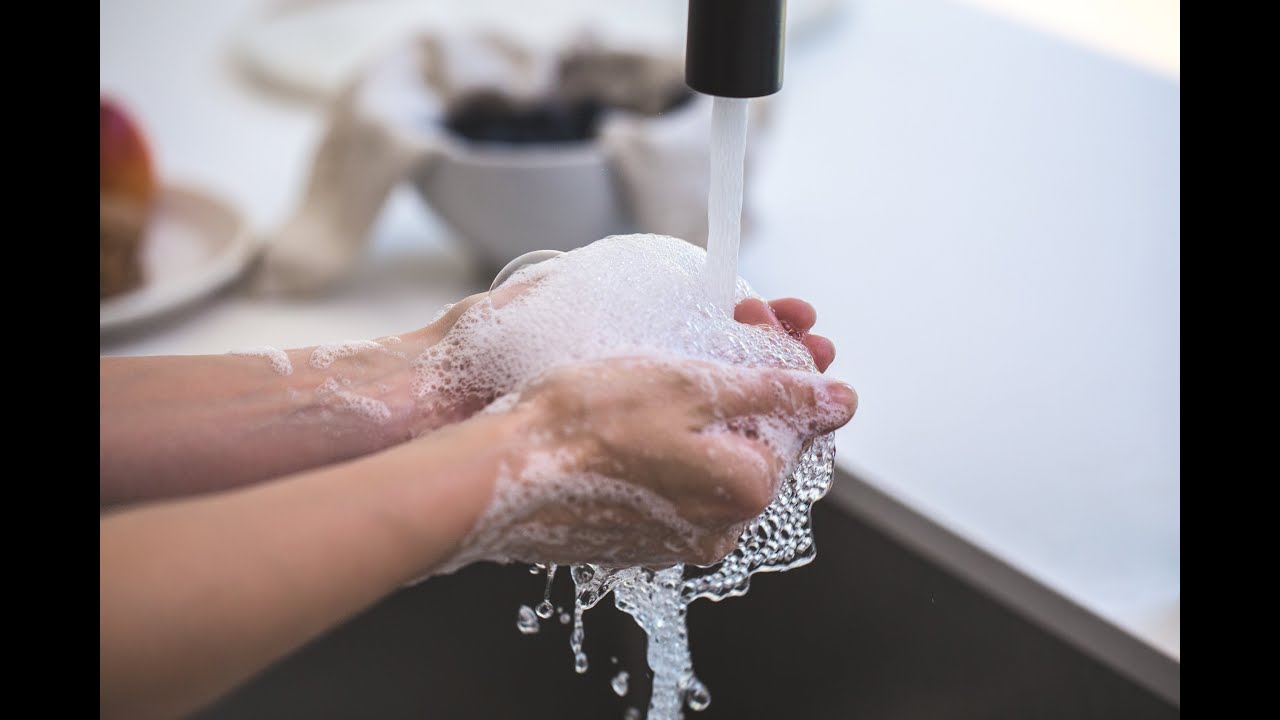
Due to the coronavirus, washing your hands has never been more in vogue than it is right now.
In light of this, Nicole Jennings, spokesperson for Pharma Dynamics, is urging the public to play their part on World Hand Hygiene Day on May 5.
Residents can contribute in the form of financial donations, hand sanitisers or soap that will help to improve general hand hygiene.
According to a national poll conducted prior to the Covid-19 outbreak by Pharma Dynamics – a prevention-minded pharmaceutical company – only six out of 10 South African adults who participated in the survey washed their hands regularly.
Jennings says the outbreak has had a profound effect on a practice that the World Health Organisation (WHO) and others have tried to instil among communities across the globe for decades.
ALSO READ:
#Lockdown Challenge: Eat less in lockdown and help the hungry
She added that many communities don’t have access to soap and water, but the outbreak seems to have expedited the delivery of water tanks and hygiene products to the poor and those living in remote areas around the globe, almost overnight.
“The response by governments, private organisations and individuals have been extraordinary.
“We know that hand hygiene is one of the most effective ways in which to reduce the spread of Covid-19 and other pathogens.
“Washing hands regularly with soap and water reduces respiratory illnesses, like colds and flu by up to 21 per cent and gastrointestinal illnesses by 23-40 per cent. Since Covid-19 is an ‘enveloped virus’, which has a fatty layer that helps it to survive, hand-washing is key.
“Lathering, scrubbing and rinsing hands with soap and water for at least 20 seconds will remove the virus from the skin, while breaking up the envelope protecting the virus, which disables it,” she explained.
While government and others are responding to the crisis, there remain millions of South Africans who don’t have access to water and hygienic sanitation.
“Without running water and soap or enough hand sanitisers, infection rates could soar among the poor.
“We, therefore, urge the public to play their part by making poor communities and especially those with compromised immune systems and medical conditions, such as cardiovascular disease and diabetes, less vulnerable to the virus.
“At the start of a pandemic, when there aren’t any pharmaceutical interventions, like a vaccine, hand-washing is a simple, yet effective measure that can be easily implemented to curb infections,” she says.