Diwali, which was celebrated on November 14, is an Indian festival of lights, usually lasting five days and celebrated during the Hindu Lunisolar month Kartika.
The City Times spoke to three Benoni residents Kementhrie Naidoo and mother and daughter M Bhagoo and Sarika Singh about the celebration.
BCT: What is Diwali/Deepavali?
KN: We refer to this celebration as Deepavali in the South of India and it is known as Diwali in the North of India. Deepavali is a celebration of good over evil, light over darkness and it is a time of light and love among family and friends.
ALSO READ:
Keep your pets safe during fireworks season
BCT: Why is Diwali celebrated?
SS: It is celebrated to honour the victory of Lord Rama over King Ravana and his return back home after an exile of 14 years.
BCT: When is Diwali celebrated?
KN: Deepavali is celebrated every year, but when certain things arise the holiday is not celebrated and the families would skip the year.
BCT: When is Diwali not celebrated?
SS: When there is a death in the family, but obviously this varies from family to family. Some families who are very traditional maintain one year of no celebrations.
BCT: Is there a fasting period before Diwali?
MB: The only fasting that takes place before Diwali is called Pitra Paksh and then Navratri Pooja. Pitra Paksh is done to honor the dead, also known to Hindus as the Pitar Devas. Navratri is a prayer that is observed for nine days to honour the Hindu goddess Durga or as worshippers call her Durga Maa.
ALSO READ:
Our traditions brought us together
BCT: How is Diwali celebrated?
SS and MB: On the Diwali morning, the mother of the house mixes seven kinds of oils together and applies it to everyone’s head to wear of negative stress.
After a while, each family member is to have a bath or shower from head to toe. Amidst the festivities the young and teenage girls of the house apply Mehndi (henna) designs to their hands.
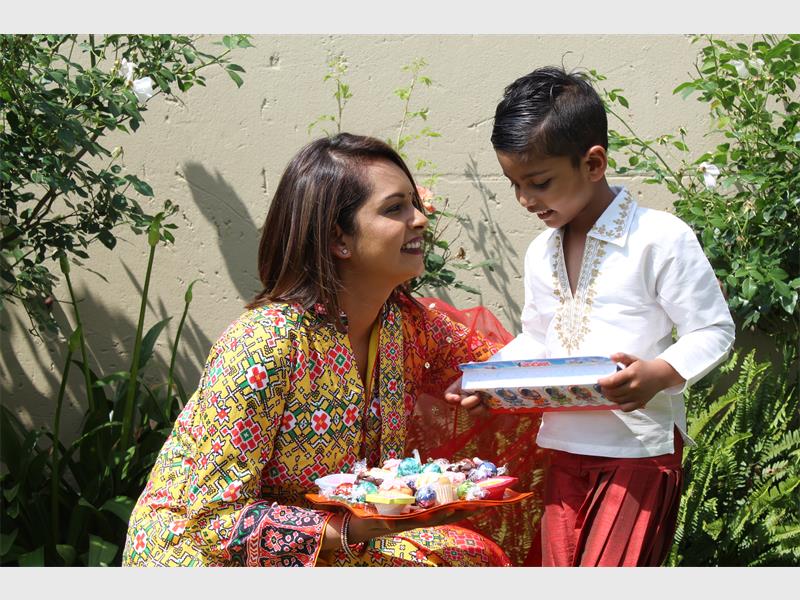
During Diwali, we wear the finest clothes (mostly traditional clothes), decorate the inside and outside of our homes with oil lamps or candles and worship or pray to Lakshmi – the goddess of prosperity and wealth.
A variety of food is cooked and families all get together to celebrate; vegetarian dishes are also cooked.
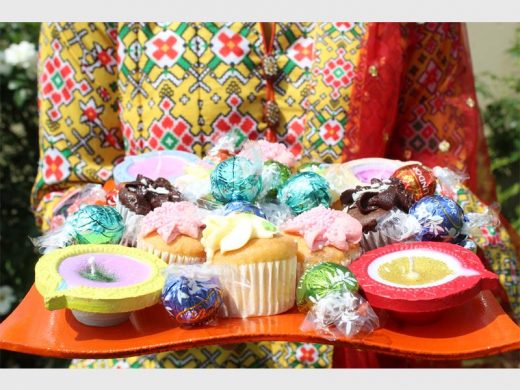
Sweets, biscuits and gifts are shared and exchanged between families and friends.
Although it is a tradition to burst fireworks on Diwali, we should now refrain from doing it because of the increase in air pollution and animal cruelty. We should celebrate Diwali in an eco-friendly way and respect our community.
BCT: Why is it important to teach these rituals to the younger generations?
MB: It teaches them their culture, religion and how to worship God instead of running a mockery.
KN: It is important to preserve our culture for the future generation.
BCT: How have the rituals or celebrations changed over the years?
MB: The rituals have not changed; however, celebrations have dimmed a bit due to families no longer being together or closely knit.