
#BenoniBygones: Historic Tullymore survived the 1922 rebellion
During the 1922 rebellion, the house was on the front line of the battle between the strikers and the troops sent by Smuts to recapture Benoni.
The City Times is proud to revive a monthly history piece compiled by local history enthusiast Glynis Cox Millett-Clay, which she has named Benoni Bygones.
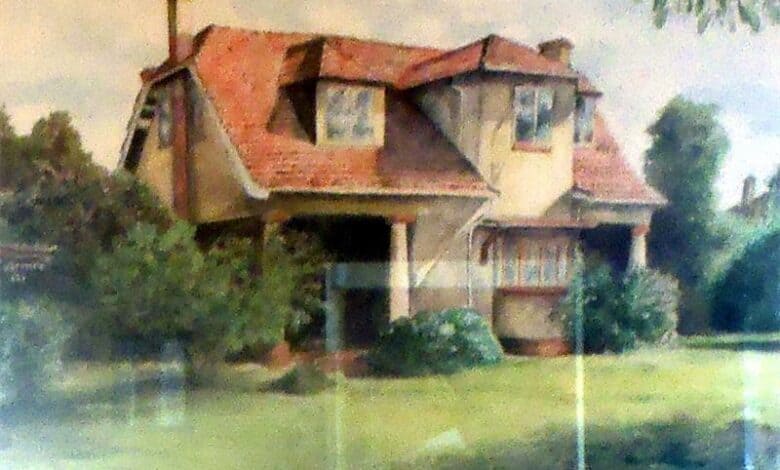
One of Benoni’s historic homes is situated at 154 Prince’s Avenue (corner of Bright Street) in Western Extension and is named “Tullymore” after Tulaigh Mhor in County Down, Northern Ireland.
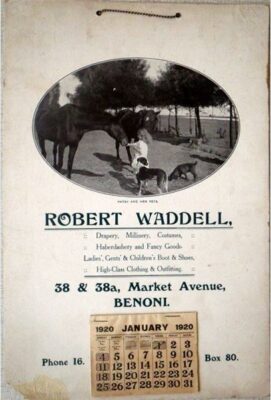
The home was designed by John Henderson for a local businessman, Robert Waddell, in 1909.
Henderson was proud of his work and advised Waddle that alterations would not be necessary or beneficial to the house’s appearance.
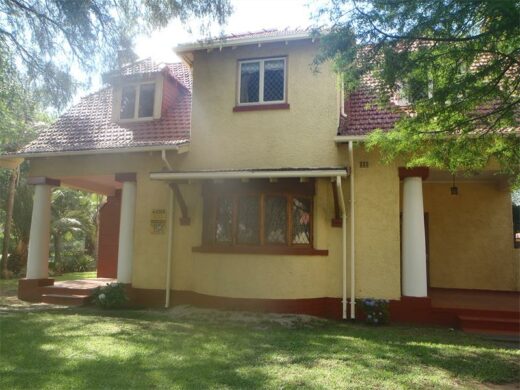
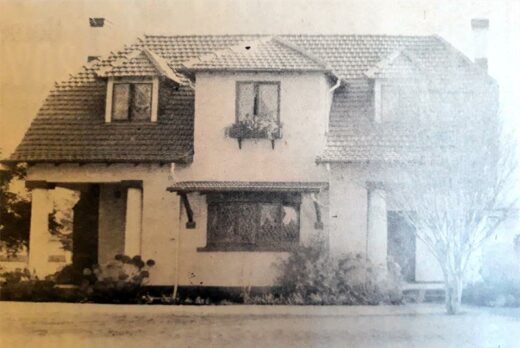
Indeed, since 1919, the only alteration has been the conversion of a pantry to a second bathroom.
The property stayed in the Waddell’s hands until 1979 when Pat Waddell (daughter) sold it as she found the house’s size too much for her to cope with.
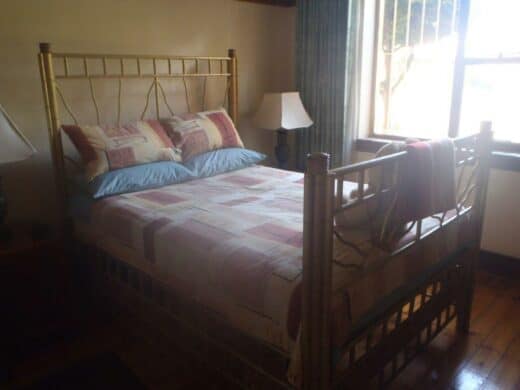
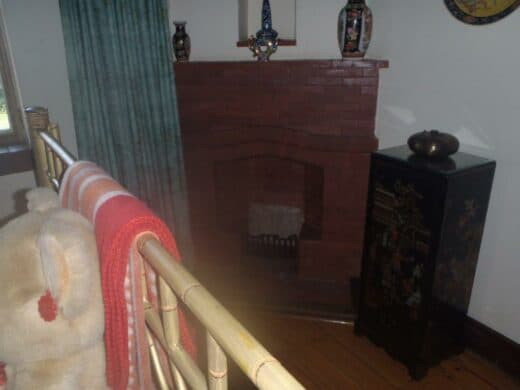
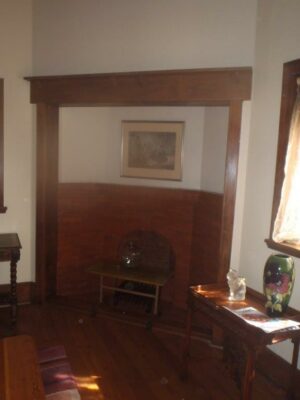
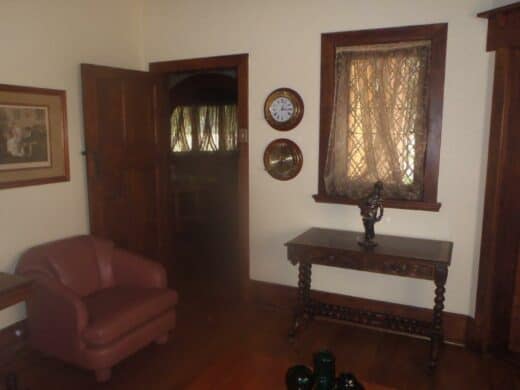
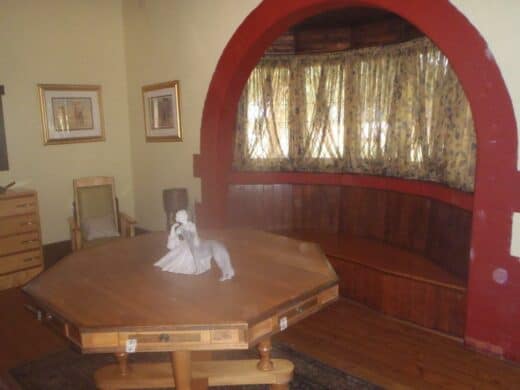
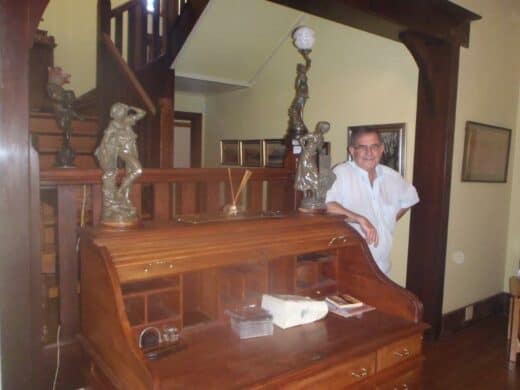
The house has been preserved in its original state with the heavily beamed ceiling, polished wooden staircase, five fireplaces and stately air of grandeur being almost impossible to improve on.
Tullymore will always have a special place in Benoni’s history because it was the scene of a violent clash during the 1922 strike.
ALSO READ: #BenoniBygones: The journey of the Mineworkers’ Hall
David Thomas, the co-author of Benoni, Son of my Sorrow wrote:
“During the 1922 rebellion, the position of this house, at what was then the western edge of Benoni, meant it was on the front line of the March battle between the strikers and the troops sent by Smuts to recapture Benoni.
“Armed strikers came to the door demanding to be let in because, being a double storey, they wanted to use it as a lookout post.
EXTERIOR VIEWS – (Photos supplied by Glynis Cox Millett-Clay).
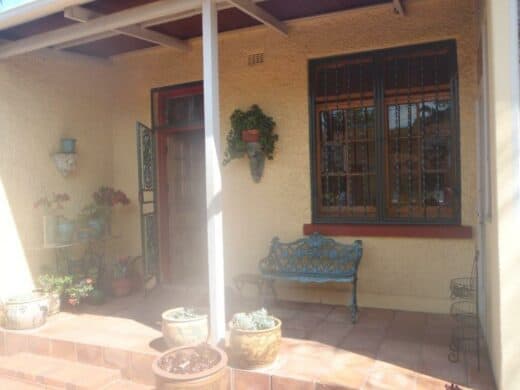
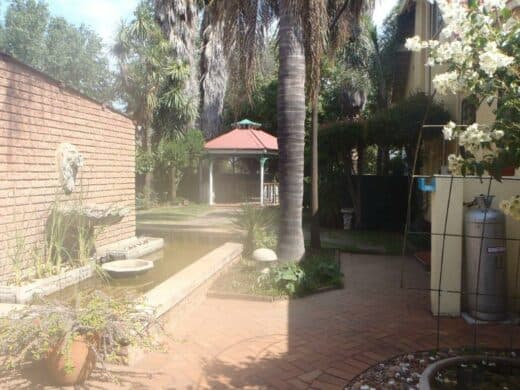
“Pat Waddell’s father, a large Irishman, stood behind the lower part of the stable door at the front of the house adamantly proclaiming: ‘You can’t come in here’.
“He was lucky that they did not shoot him before they moved off.
“However, the family had to spend the next three days in the pantry where, like the Bakers at the other end of the town, they lined the walls with mattresses to stop any stray bullets coming in from the battle raging around them.
“When dawn broke on the 4th day and they looked westwards, they saw a whole regiment of soldiers lying in the grass pointing their rifles at the house.
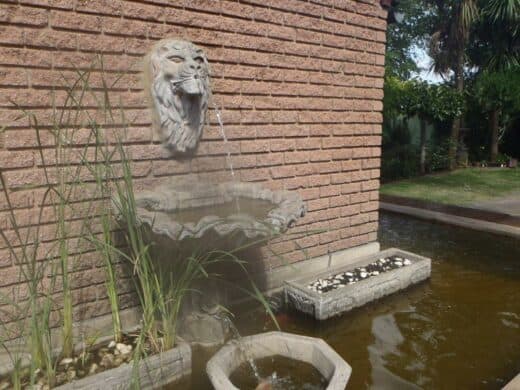
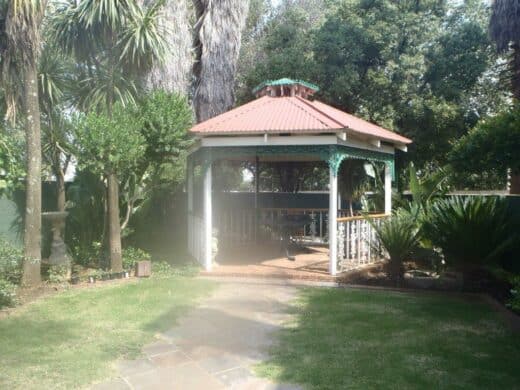
“They grabbed a white tablecloth, rushed upstairs and waved it out of the window, yelling ‘We’re loyal!’.
“The soldiers believed them and, after securing the house, advanced into Benoni from which the strikers had by then fled.
“Damage to Tullymore was thankfully slight.”
Tullymore was offered to the town council as the owners were relocating to the USA.
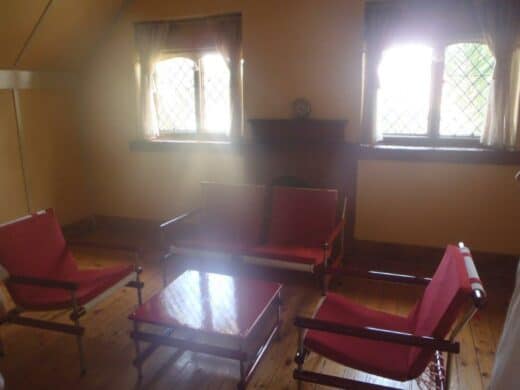
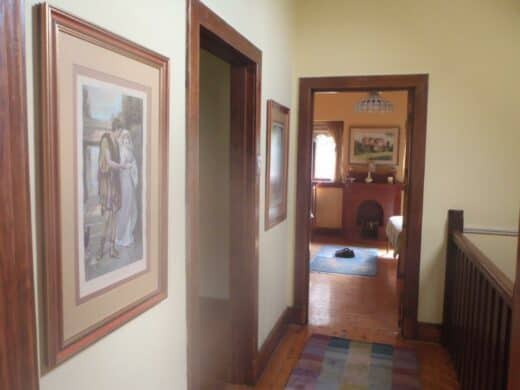
INTERIOR VIEWS – (Photos supplied by Glynis Cox Millett-Clay).
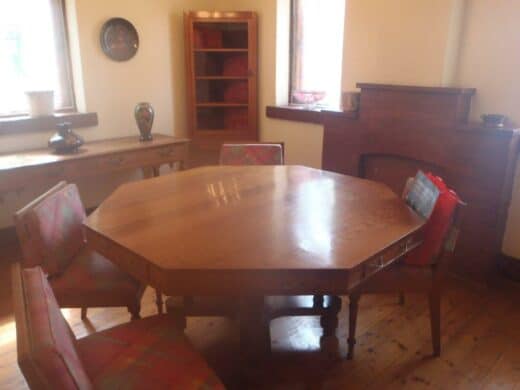
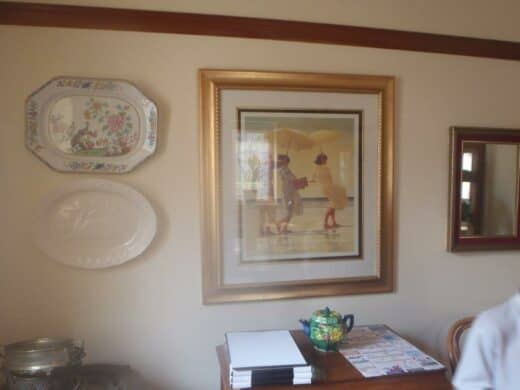
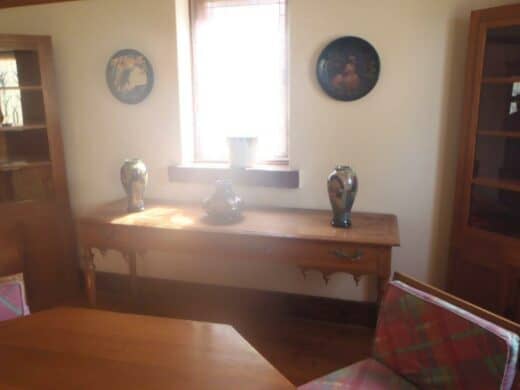
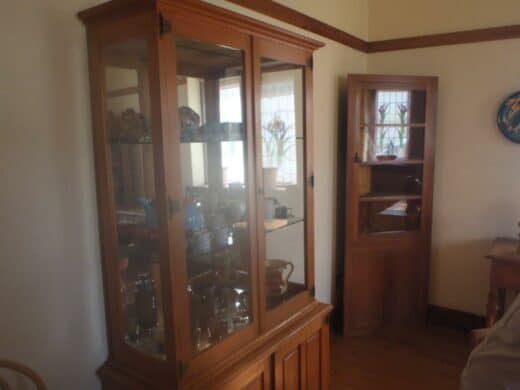
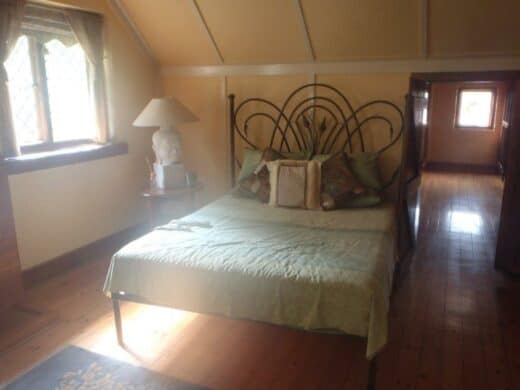
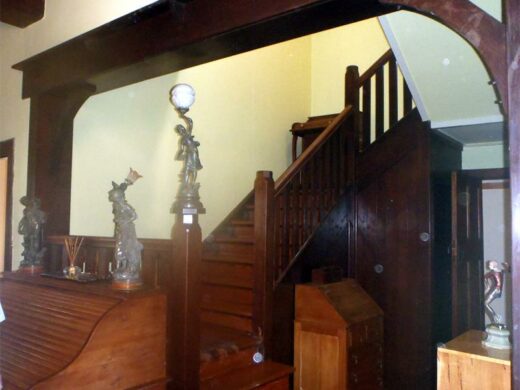
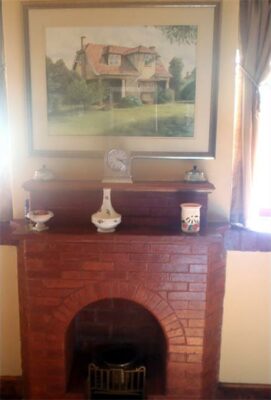
Councillor Aubrey Ritz wanted to acquire the house either as a museum or art gallery but before they had a chance to consider the proposal, the then-owner was approached by another buyer and since the family’s departure date was drawing near, they accepted their offer.
The new owners said that the charm and originality of the house would be preserved, ensuring that Benoni would retain one of its most interesting links with the past.
(Source: Summarised from Benoni City Times dated 1981).
ALSO READ: Benoni Bygones: Coughs and sneezes spread disease in 1918