
Daveyton traditional council calls for recognition amid growing demand
The council operates as a traditional court, bringing parties together to mediate and resolve conflicts.
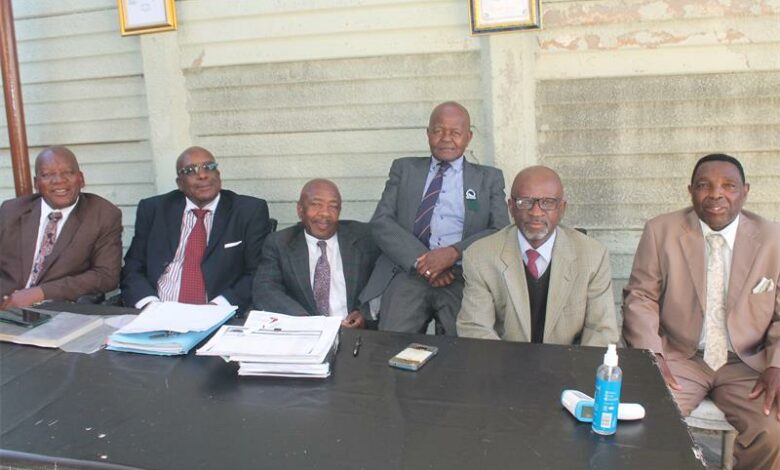
The Marota-a-Makgane Traditional Council, which is based in Daveyton, continues to play a critical role in resolving community disputes.
Established in 1980 by the late Chief Moses Sefogole, the council was formed to assist the public with social and customary matters, including family disputes, issues relating to traditional marriages, civil disagreements, and matters involving property or households.
The council operates as a traditional court, bringing parties together to mediate and resolve conflicts. Criminal matters, however, fall outside its mandate.
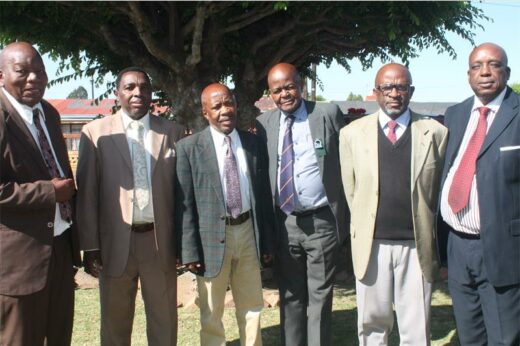
Following the death of Chief Sefogole, 80-year-old Chief Patrick Phala took over leadership, and he continues to guide the council’s work with the assistance of five other members who assist and preside over the cases with the chiefs.
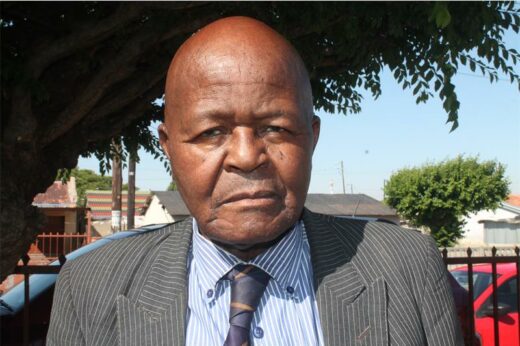
The members, some of whom are former paralegals, a teacher and a priest, said the former chief magistrate of Daveyton issued the council with a declaration authorising it to continue its work within the community years ago.
With their motto, “We hear every voice,” the group said they are committed to fairness, while their vision aims to foster a transparent and inclusive traditional justice system.
The council’s deputy secretary, Greg Zitha, said the council receives a steady flow of referrals daily, handling an average of three cases a day. Many of these cases originate from members of the public and formal courts, including Daveyton, Brakpan, Springs and Boksburg.
The council use indigenous law and custom when hearing matters, and after issuing a summons, complainants are given a date to appear before the council.
Once a case has been heard, they prepare a report that is sent back to the referring court detailing their findings.
Impact of traditional courts
The members said they are appealing for official recognition, noting that traditional courts have long played an important role in communities.
These courts focus on restorative justice, mediation, and community cohesion.
Their processes are often less intimidating, more accessible and more culturally aligned than formal courts, making them an important mechanism for grassroots conflict resolution. For many communities, traditional courts ease pressure on the formal justice system by resolving matters quickly, affordably and within a familiar cultural framework.
Challenges
Despite its importance, the Marota-a-Makgane Traditional Council faces significant operational challenges.
It operates from a house with a makeshift shelter, which becomes unusable when it rains.
Limited resources also mean council members frequently use their own vehicles when travelling for cases, and they personally fund printing, filing and the preparation of summons and legal documents.
“We receive very little support from the Department of Traditional Affairs and COGTA. We would really appreciate assistance so we can serve the community better,” Phala said.
In addition to mediating disputes, the council is active in community education.
Members visit schools to create awareness about cultural practices, including discouraging forced or unsafe trips to initiation schools.
They also mentor chiefs from other tribal courts, strengthening leadership and governance within customary structures.
The council’s operating hours are Monday, Tuesday, Wednesday, Thursday and Saturday from 13:00 to 15:30 at 10865 Matlala Street.
The community is encouraged to utilise the council for any problems they might have.
For more information about the council or to assist with its sustainability, contact Greg Zitha on 084 576 6969 or Eric Gare on 078 927 5926.
Also Read: Eliminating violence against women and children
Also Read: Celebrating Heritage Day