Benoni Bygones: Early pioneer Alexander saw wealth in waste
The City Times is proud to revive a monthly history piece compiled by local history enthusiast Glynis BENONI Cox Millett-Clay, which she has named Benoni Bygones.
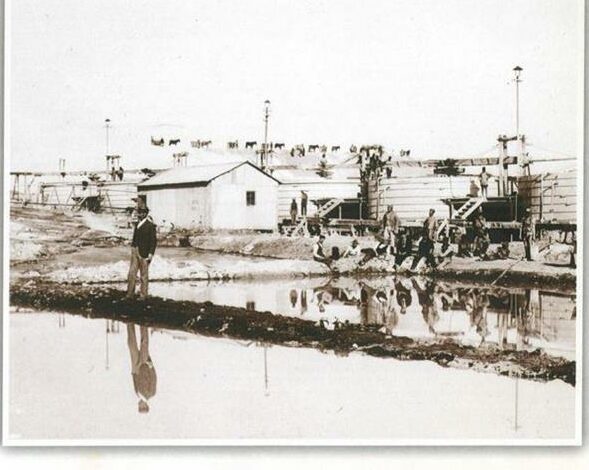
Fraser Alexander was born on the island of St Helena in 1864, where his family had lived since the late 1600s and played a prominent role in planting coffee that connoisseurs said was the world’s purest.
In the 1840s, Fraser’s grandfather, Frederick Alexander, was captain of the St Helena militia and played a leading role in exhuming the body of Napoleon before it was returned to France – a service rewarded with a gift of a silver medal.
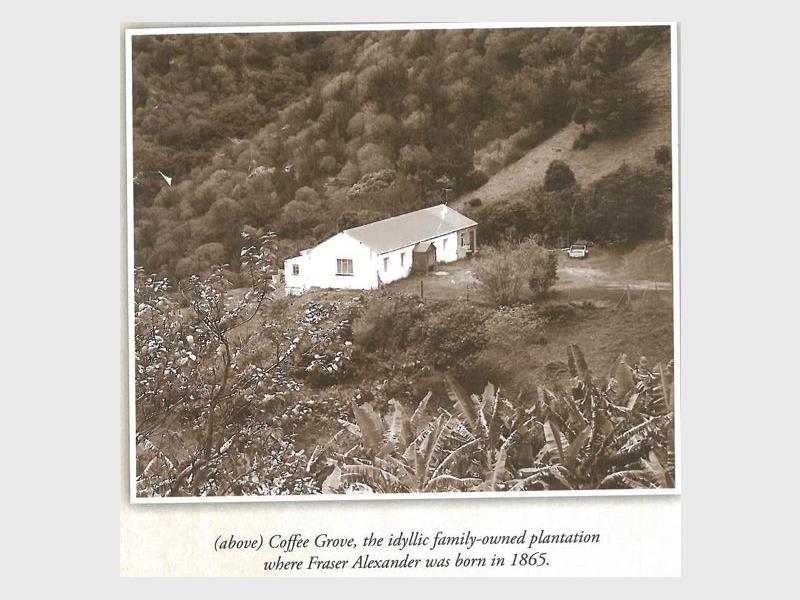
Many of the islanders left St Helena for South Africa to embark on a new life and Fraser and his parents, Albert and Mary, headed for Kimberley during the Diamond Rush in 1872, when Fraser was just seven years old.
Exposed to the minimum schooling at Kimberley Public School, young Fraser learnt to live by his wits and discovered that waste holds value.
It was a lesson that stood him in good stead later in life, when he founded the company that still carries his name.
Fraser served in the Anglo Boer War and worked as the chief reduction officer of Crown Mines.
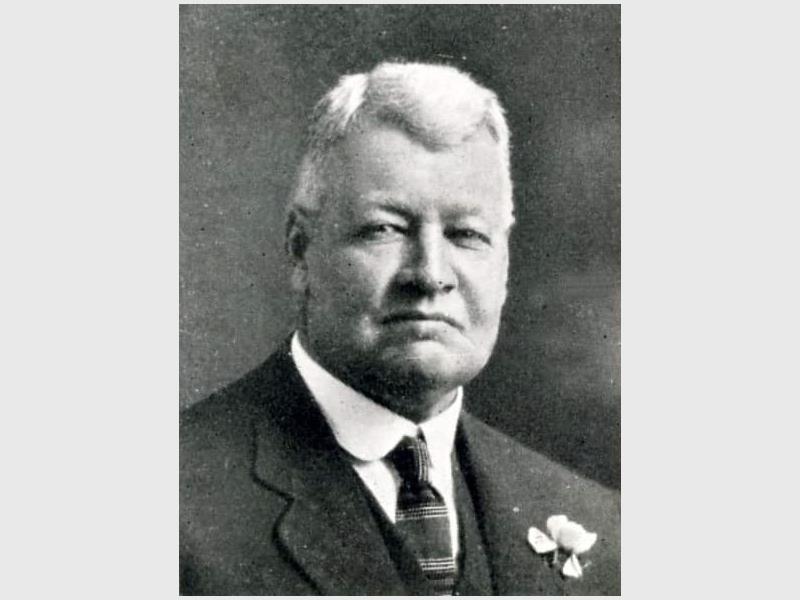
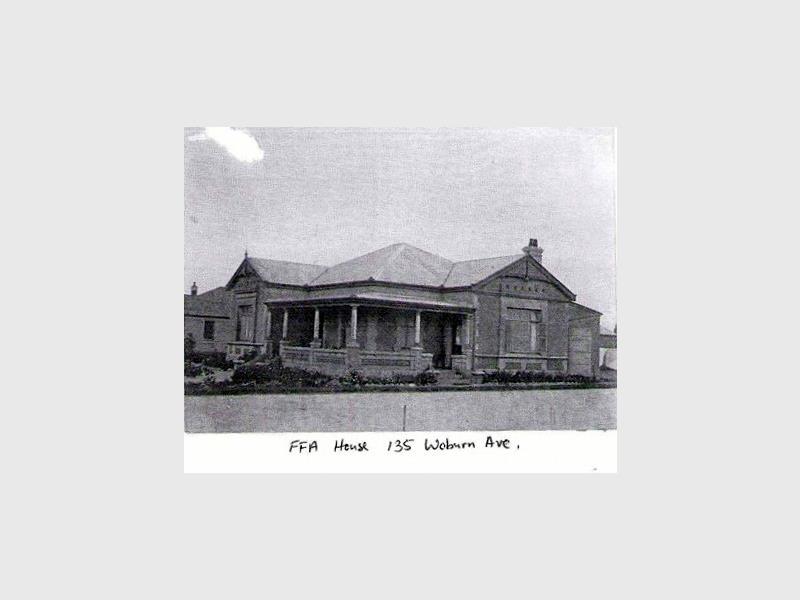
He moved to Benoni in 1912, where he built an Edwardian family home at 135 Woburn Avenue, which sadly no longer exists and today is the site of an old age home.
Fraser founded the company Fraser Alexander & Co to construct slimes dams and pioneered many of the technologies still used today to build and maintain these dams.
In essence, he was involved in building many of the slimes dams on the Witwatersrand.
ALSO READ: #BenoniBygones: When farmers made Benoni home
These are also fast disappearing as the gold in them is being reclaimed.
The company Fraser Alexander, which is over 100 years old, still exists and has operations across South Africa, in Ghana, Chile and other countries.
The Alexander Dam at Geduld bears his name and was one of the first dams he constructed.
Fraser was also a founder of East Rand Engineering, which was later incorporated into EL Bateman.
He was a very good rugby player and the founder of Diggers Rugby Club, being their first captain when they won the Transvaal floating trophy.
Fraser married Mary Gooch on December 10, 1895, and they had three children.
Raymond Alexander became a professor and was the head of Ondersterpoort Veterinary College.
He invented the vaccine for African Horse Sickness.
Their daughter, Ella, spent her whole life in Benoni, living on The Drive in Westdene and nursed people during the great Influenza Pandemic of 1918.
She later became one of the first Rotary Annes and a very prominent member of St Dunstan’s Anglican Parish.
The younger son, Clifford, had distinguished service in World War 2 and owned Benoni Auto Spares before going farming in Machadodorp.
Fraser’s son-in-law, Roland Alexander, succeeded him as chairperson of Fraser Alexander (Ltd) and was captain and chairman for many years of Benoni Country Club.
In 1927, the South African Party led by Jan Smuts persuaded Fraser to stand for the Transvaal Provincial Council.
He was elected and began attending council sittings in the impressive Raadsaal in Church Square, Pretoria.
When he stood for parliament for Benoni in 1929, he was defeated.
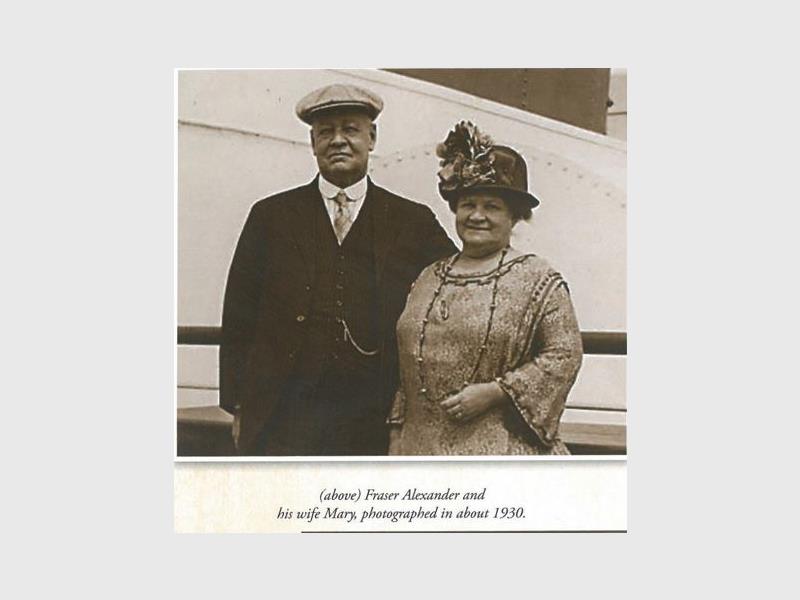
Upon retiring from politics, Fraser took Mary on an overseas trip. A photograph shows them in the company of some intriguing fellow passengers and gives an indication of their status at the time.
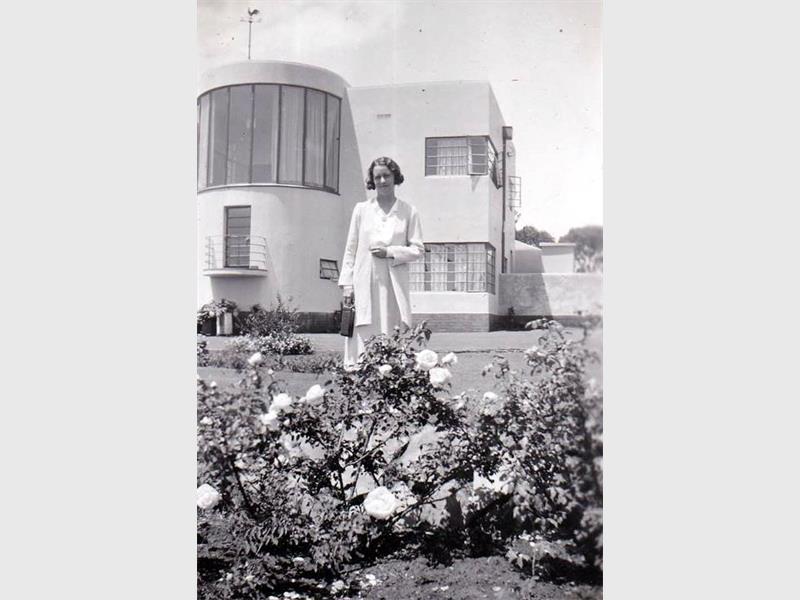
In 1934, Fraser built the first flat-roofed ‘art deco’ house in Benoni, called “Helia”, at 31 Sunnyside Avenue, Westdene, which still stands today.
He was among the first Rotarians in Benoni and served as president of Benoni Rotary Club.
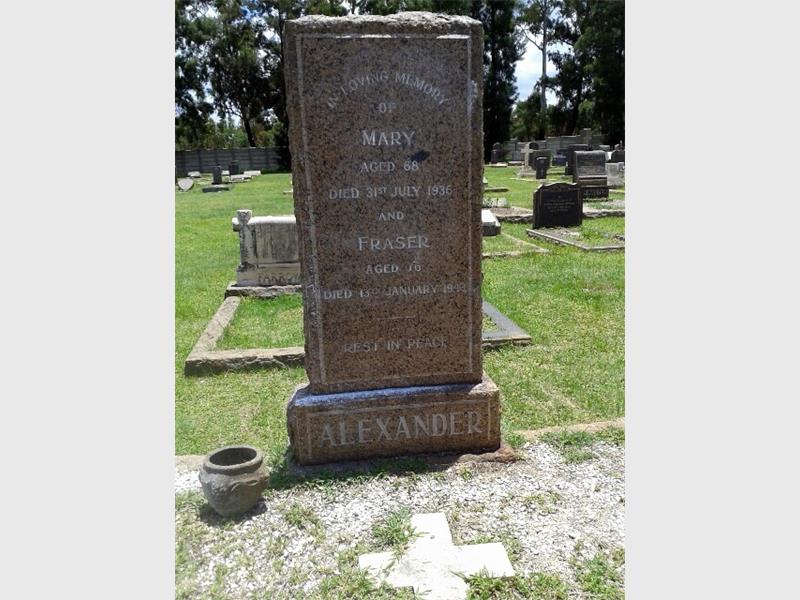
Fraser died on January 13, 1943, after a long battle with cancer and is buried in the Benoni Cemetery.
(Source: Paul Alexander, grandson, and Who’s Who 1933/retyped and grammar: Glynis Cox Millett-Clay December 11, 2016 and updated April 2, 2026).
ALSO READ: Benoni Bygones: Meet Joseph Jacob Fine