
Menstrual dignity in schools must be treated as a basic right not charity
As Menstrual Hygiene Day approaches, organisations are urging government, communities and the private sector to work together to tackle period poverty.

As the world observed Menstrual Hygiene Day on 28 May, stakeholders are calling for menstrual dignity in schools to be recognised as a basic right rather than an act of charity.
The Department of Basic Education, AIDS Healthcare Foundation (AHF), Premier FMCG and the Baithudi Mampane Foundation have raised concerns over the ongoing impact of period poverty on learners across South Africa.
According to the organisations, many girls continue to miss school, struggle in silence, and face stigma due to limited access to sanitary products and menstrual health support.
They stressed that menstruation is not only a health issue, but also an education and equality issue, affecting attendance, confidence, participation, and long-term educational outcomes.
Deputy Minister of Basic Education Reginah Mhaule said menstrual dignity is fundamental in ensuring girls can learn and participate in safe and supportive environments.
“No learner should be disadvantaged, excluded, or miss valuable learning opportunities because of a lack of access to menstrual health support,” she said.
The organisations highlighted that challenges linked to menstruation are often worsened by poverty, inadequate sanitation facilities, misinformation, and social stigma.
Calls have also been made for practical and sustainable interventions, including access to free or affordable sanitary products in schools, improved menstrual health education, and better sanitation infrastructure.
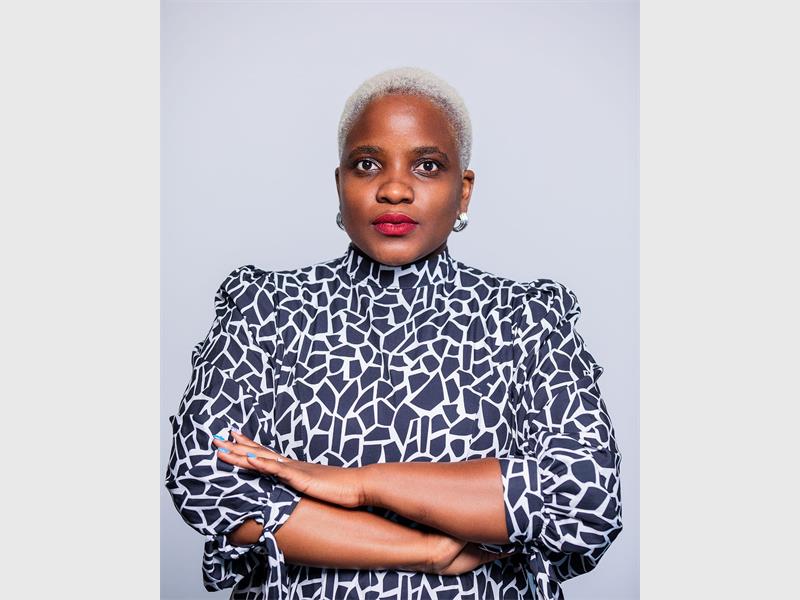
Young people have also voiced the need for accessible support systems in schools.
“Simple interventions such as pad dispensers in toilets can make a huge difference when a learner starts her period unexpectedly at school,” said Surprise Mokwatsi.
Palesa Tsotetsi added that greater education and awareness are needed to break the stigma around menstruation, saying boys, families, educators and communities should all be part of the conversation.
Thapelo Mampane said addressing period poverty requires collaboration between the government, businesses, civil society organisations and communities.
As South Africa marks Menstrual Hygiene Day, stakeholders have urged all sectors to work together to ensure every learner can attend school and learn with dignity.
They emphasised that menstrual dignity is not charity, but a matter of rights, equality and opportunity.