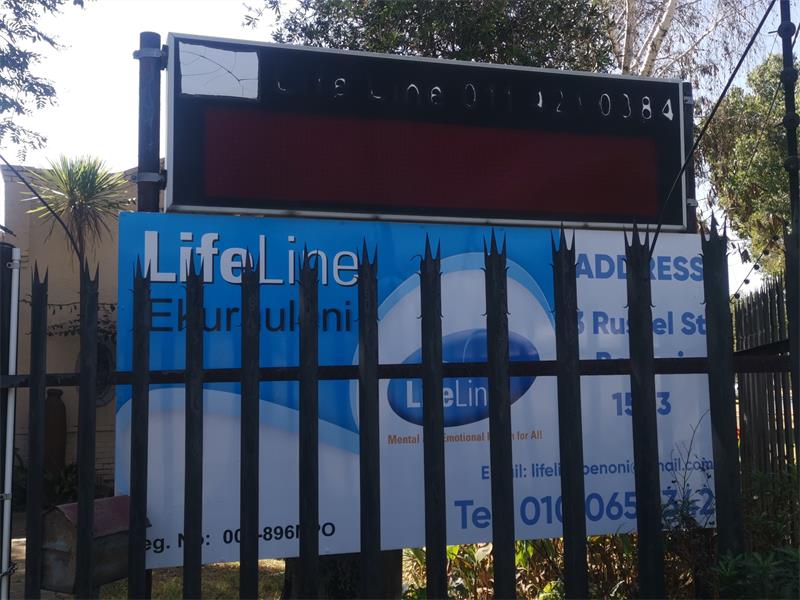
Hope returns to Lifeline Ekurhuleni after years of decline
"We now have a credible board and a credible director who started working here without a salary. Slowly, we're rebuilding."
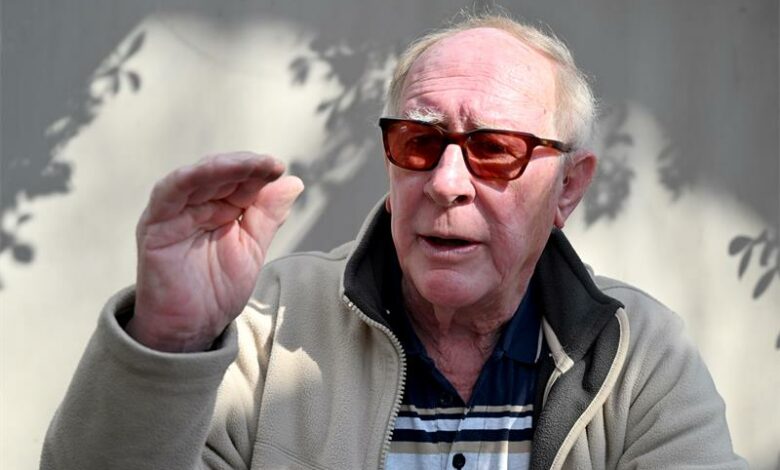
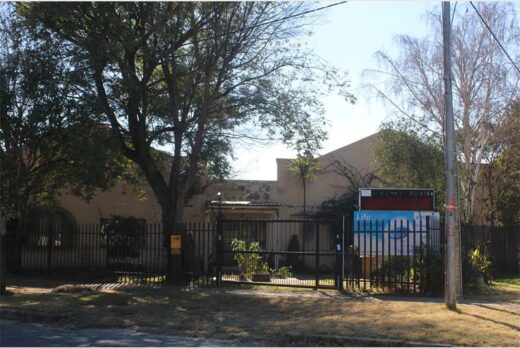
Once a thriving counselling centre where finding a parking space could be a challenge, Lifeline Ekurhuleni now stands eerily quiet.
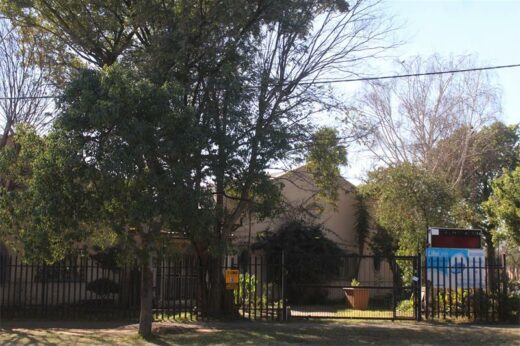
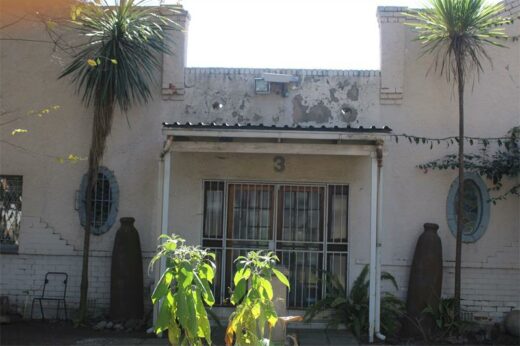
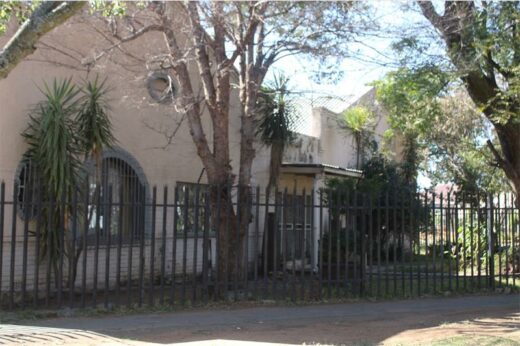
The once-bustling Russel Street facility in Western Extension is scarred by peeling paint, overgrown weeds and empty counselling rooms.
Apart from a handful of tenants occupying makeshift accommodation on the property, little suggests it was once a lifeline for thousands battling emotional trauma, depression and grief.
Yet behind the faded walls, a determined group is working to restore hope.
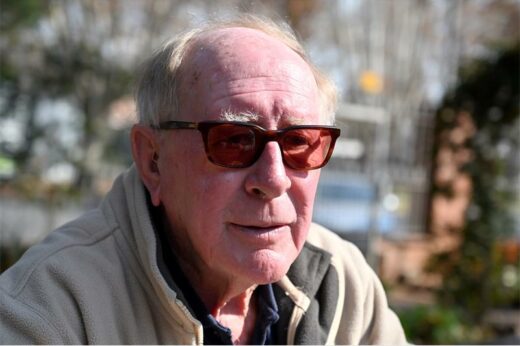
Leading the revival are newly appointed director Thuto Vukea and longtime volunteer Ed Hatton, who received honorary Lifeline membership in 2005.
Hatton admits the centre has endured some of its darkest years.
“The counselling never stopped, but it stopped happening from here,” he said.
While the Ekurhuleni facility fell into decline, Lifeline continued operating four community projects, including victim support centres in Duduza and Nigel, a GBV programme and an intermediary service assisting vulnerable children in court proceedings.
Counselling has continued virtually, with trained volunteers working from home through WhatsApp and scheduled telephone sessions.
The long-term goal is to restore face-to-face counselling and volunteer training at the Ekurhuleni centre.
“Mental health in this country crucially needs support systems,” Hatton said.
He estimates that between 30% and 40% of people will experience some form of mental distress during their lives, most commonly anxiety and depression, conditions that often require counselling rather than hospitalisation.
Factors he believes have intensified the demand for mental health services are high levels of violent crime, suicide, road accidents and GBV.
“The trauma people experience affects families, employment, relationships and entire communities.”
Despite this growing need, he says preventative mental healthcare receives very little public funding, leaving organisations like Lifeline to fill the gap.
Years of decline
Hatton traced the centre’s downfall to years of poor governance and financial mismanagement.
“We had five years where the centre was mismanaged to the point of being destructive,” he said.
According to him, one administration lost sight of Lifeline’s core purpose, resulting in many experienced volunteer counsellors leaving the organisation.
Lifeline South Africa subsequently placed the Ekurhuleni centre under administration.
After a new local board took over, Hatton said governance problems persisted.
“The chairman tried to run everything on his own. Counselling services were closed down, including our Tsakane branch, and Lifeline South Africa had to intervene for a second time.”
Also Read: Help give school a lifeline
Although the national body resumed control, Hatton said fundraising stalled, financial reserves were depleted and debts mounted, contributing to the centre’s ongoing electricity challenges.
A fresh start
Hatton believes Vukea and the new board have placed Lifeline on the path to recovery.
“We now have a credible board and a credible director who started working here without a salary. Slowly, we’re rebuilding.”
Vukea has focused on restoring governance and donor confidence, while Hatton has been rebuilding the counselling programme by bringing experienced volunteers back.
The organisation has also modernised its counselling model. Instead of a traditional call centre, clients now book appointments via WhatsApp or email before receiving up to four counselling sessions from trained volunteers.
“It’s much more in-depth counselling than we used to do.”
The neglected building remains one of Lifeline’s biggest challenges. Years ago, sections of the property were converted into low-cost accommodation, leaving the facility in poor condition
Hatton said the long-term vision is to restore electricity, improve security, refurbish the property and once again make it a dedicated counselling centre.
Mandela Day volunteers are expected to help repaint the building and restore its gardens.
For Hatton, however, rebuilding Lifeline is about much more than repairing infrastructure.
“It will come right. It just takes time,” he said.
“We’ve appealed to businesses and the community. Once people see progress, it creates momentum.”
He believes that in a country facing a growing mental health crisis, Lifeline’s role has never been more important.
“With the community’s support, we can make this place a lifeline to the community again.”
To book a counselling session WhatsApp 068 347 2052 or email counselling@lifeline.co.za
Also Read: FOLLOW-UP:LifeLine calls its fourth AGM