
Sun-kissed can also lead to sun damage
Being sun sensible is the only way to ensure that your skin is protected and to avoid any sun damage.
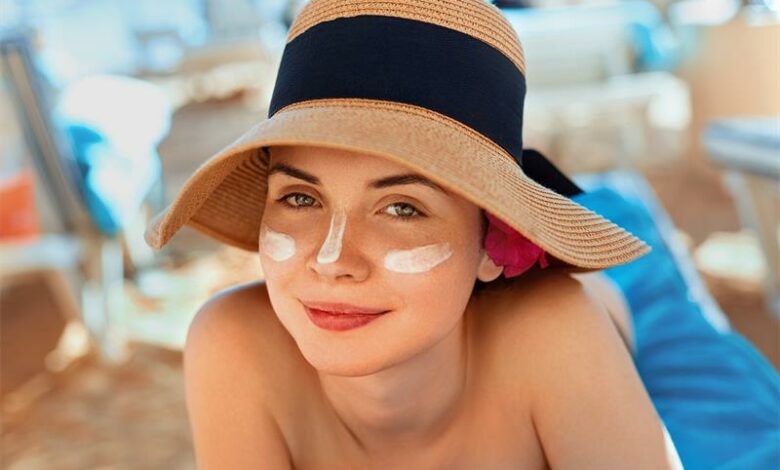
We are often told to cover up and stay out of the sun as it can prematurely age our skin. But how much damage can the sun do to our skin, and what can we do to keep it from happening?
Ageing signs can be put into four categories wrinkles/texture, lack of elasticity, vascular disorders and pigmentation.
According to a study conducted by the National Centre for Biotechnology Information (NCBI), 80% of all extrinsic ageing in Caucasian women is due to UVA and UVB rays.
However, the NCBI has also noted that it is not only fair skin that is affected by the sun, as those with darker skin tones can experience hyperpigmentation.
“There is a misconception that the darker the skin, the less damage the sun can cause. Many people are not looking after their skin and protecting themselves from the rays of the sun,” comments Mario Correia, brand manager for Everysun.
Correia explains that skin does naturally age as you get older, but the sun’s rays can speed up the process and also leave your skin with an uneven skin tone.
Although other elements can attribute to premature ageing, including diet and lifestyle choices such as smoking, the sun is still the main culprit in ageing and hyperpigmentation.
The sun’s UVA and UVB rays are the two main types of sunlight that causes premature ageing and sun-related damage.
UVB rays are responsible for sunburn and even though they have short wavelengths not allowing them to penetrate deeply into the skin, can still do a fair amount of damage to the outer layers of the skin.
UVA light rays are more dangerous than UVB rays, as they can penetrate deeper into your skin. This type of ray is what we are exposed to most of the time and is responsible for reducing the skin’s natural elasticity and increasing the chances of wrinkles and pigmentation.
When our skin comes into contact with these rays it uses melanin to protect itself. These cells help our skin to absorb the sunlight, dissipate it as heat and then work to repair the damage done by free radicals spreading UV rays.
The more UV rays we are exposed to, the more melanin cells are produced, which is how a tan is created.
Unfortunately, not everyone can produce enough melanin to effectively protect their skin, leaving the sunlight to penetrate this barrier to damage your skin. Others who produce too much melanin experience hyperpigmentation.
To keep your skin safe from the sun and avoid the chance of skin damage, Correia suggests the following:
• If possible stay out of the sun between 10:00 and 16:00. This is the time of the day when the sun is at its hottest.
If you can’t be inside during this time, find a shady spot under a tree or umbrella.
• Wear a hat when outside. Whether you are enjoying a day at the beach or out for a morning run, a hat should be worn at all times. And, if possible cover up with long sleeves.
• Always use sunscreen, even in winter. Applying sunscreen should be a step in every morning routine for everybody. A high SPF is advisable as this will allow your skin the chance to be protected for longer.
Being sun-sensible is the only way to ensure your skin is protected and avoid sun damage. If it’s too hot for you, it is too hot for your skin.
Also Read: Three underrated skin care products for your beauty regime
Also Read: Easy remedies for common summer beauty problems