
Pretty birdies spotted locally a danger to indigenous species
Originally from tropical northern Africa and the Indian subcontinent, these members of the parrot family made their first appearance at Gillooly’s Farm, Germiston, in 1974.
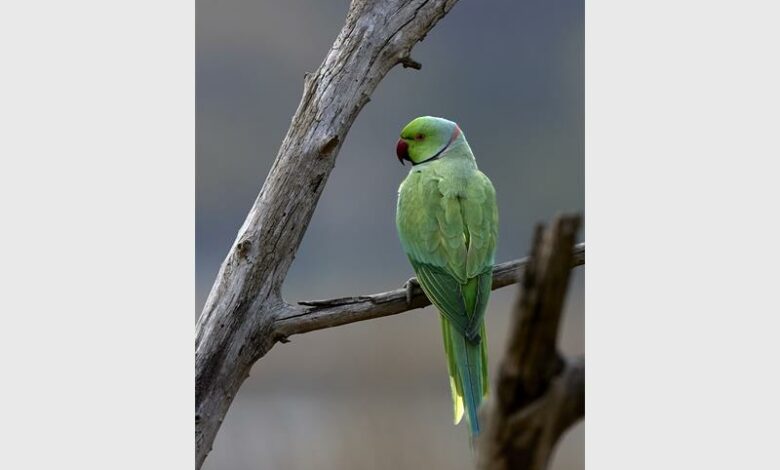
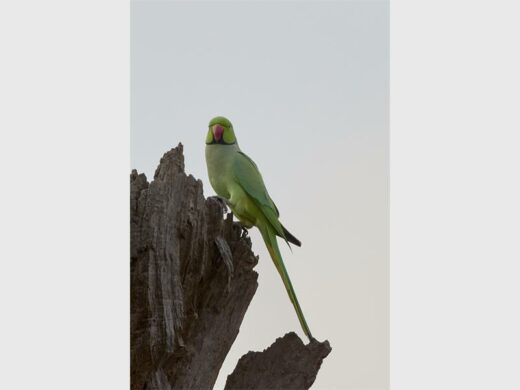
Flocks of green and blue rose-ringed parakeets have been spotted around Boksburg and Benoni, leaving residents in awe of their sudden appearance.
Sightings have been reported at Homestead Dam, Farrarmere, as well as at the offices of Caxton Media in Ravenswood, Boksburg.
With their vibrant colours and enthusiastic chatter, these gorgeous fowls are welcome garden visitors. However, residents are strongly urged not to feed them.
Originally from tropical northern Africa and the Indian subcontinent, these members of the parrot family made their first appearance at Gillooly’s Farm, Germiston, in 1974.
Flocks have since become a regular sight in Sandton and Durban.
ALSO READ: Zebra Finch Society invites you to see some of the country’s best birds
Countries such as England, Spain and Italy have also become popular nesting grounds for these feathered critters, with strict protocols in place to curb the breeding of this invasive species.
Throughout history, rose-ringed parakeets were popular pets among the ancient Greeks and Romans. Confined to their cages, they were celebrated for their beauty, intellect and ability to mimic human speech patterns.
Although it is unclear how or why these birds are being spotted more frequently far from their natural breeding grounds, some speculate that the illicit tropical animal trade may be to blame.
Others argue that the release of breeding pairs may have contributed to their population growth in urban areas.
“We first noticed rose-ringed parakeets at the Korsman Bird Sanctuary, Westdene, in 2021,” said local conservationist and chairperson of the Korsman Conservancy, Jane Trembath.
“These invasive species can cause irreversible damage to the natural biodiversity at the pan, and humane interventions are implemented to prevent them from nesting and breeding within the safe confines of the sanctuary.”
She added that since the species have no natural predators in South Africa, their breeding will continue unabated.
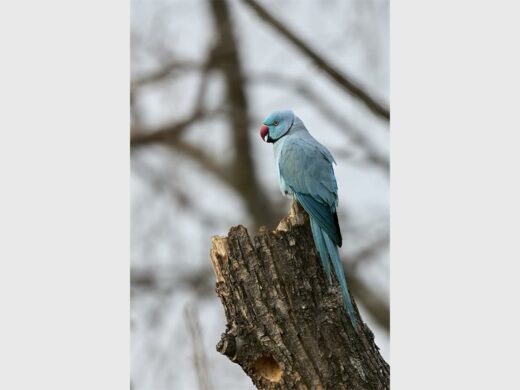
Rose-ringed parakeets are cavity nesters, meaning they excavate their own nesting holes in trees, or displace local birdlife, including black-spotted barbets, starlings and green wood hoopoes.
“The displacement of indigenous bird species can have a severe negative impact on our cities’ and country’s biodiversity,” said Trembath. “As dominance grows in a certain area, dwindling numbers of local birdlife occur.”
Although the parakeets’ majestic appearance is a beautiful sight, community support is vital to preserve indigenous birds’ survival, Trembath added.
“Research has shown that these parakeets do not tend to migrate. As long as there are ample nesting grounds and food, they will breed. It has further been found that their adaptability to cooler climates is not deterring them from settling outside of their natural habitats.”
ALSO READ: How to attract birds to your garden