House of Mercy highlights growing substance abuse crisis at 34th AGM
There is a growing abuse of alcohol, cannabis and cannabis-heroin mixtures.
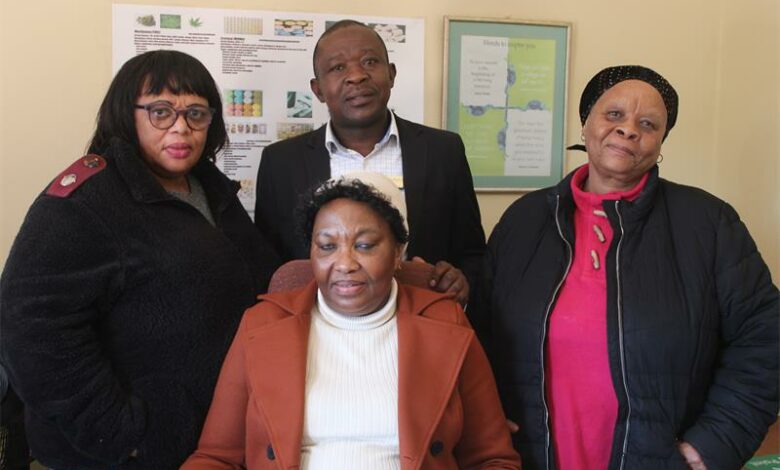
Board members, management, staff, volunteers and stakeholders gathered at the House of Mercy Rehabilitation Centre in Boksburg for the organisation’s 34th AGM on May 7.
Speakers highlighted the growing challenge of substance abuse, the increasing demand for rehabilitation services and ongoing efforts to restore lives.
The AGM heard reports from the chairperson, director, social work department, nursing staff and medical practitioners, all pointing to the escalating impact of substance abuse on families and communities.
ALSO READ: FOLLOW-UP: Boksburg cyclist’s endurance ride raises R44 000
Chairperson’s report
In her opening address, chairperson Belekazi Mbelle, referencing the SA Journal of Psychiatry, said an estimated 15% of South Africans have a drug problem, with the country ranked among the world’s top ten narcotics and alcohol abusers.
She highlighted the growing abuse of alcohol, cannabis and cannabis-heroin mixtures, such as nyaope and whoonga, adding that the average age of drug dependency in South Africa is around 12 years and continues to decline.
“House of Mercy is lending a hand in reducing this scourge and ensuring we have a solid future generation,” she said.
Despite the challenges facing rehabilitation centres, House of Mercy remains committed to its mission.
“Through it all, we cannot give up or give in, but soldier on,” Mbelle said, acknowledging the continued support of the Department of Social Development (DSD), which remains their primary funder and partner.
Director’s report
Director Monica Mashiane thanked stakeholders, donors and the DSD for helping the organisation continue operating and supporting vulnerable members of society who cannot afford rehabilitation services.
She reported that the centre admitted 279 patients between April 2025 and March 2026.
She said they have found that addiction continues to contribute to school dropout rates, unemployment, crime, divorce and homelessness, while affecting people across all races, cultures and social backgrounds.
The AGM also heard that the centre completed several maintenance and infrastructure upgrades during the year, including roof repairs, paving renovations, office flooring upgrades and improvements to accommodation facilities.
Mashiane praised staff members, volunteers and board members for their dedication to maintaining quality care and operational standards.
Social worker’s report
Social worker Shadrack Ranape explained that House of Mercy currently employs two qualified social workers and one auxiliary social worker to support patients through rehabilitation and recovery.
The social work department reported that 282 educational and therapeutic group sessions and 350 relaxation and administrative sessions were conducted during the reporting period.
In addition, 180 patients participated in the centre’s aftercare programme, while support activities such as sports, gym sessions, movies and family meetings helped patients remain physically and emotionally engaged during recovery.
Ranape said the organisation has experienced an increase in referrals from both private individuals and the DSD, while more former patients are returning to attend aftercare programmes.
“This motivates present patients that recovery is possible.”
He also highlighted several challenges facing the organisation, including financial strain, increasing psychiatric cases among patients, limited access to aftercare for patients outside Gauteng and growing numbers of patients requiring emergency hospitalisation after detoxification.
Nursing report
Professional nurse Lovey Mthiyane said withdrawal symptoms remain one of the biggest challenges during the first days of treatment, with many patients suffering from vomiting, headaches, dehydration and seizures.
Despite these difficulties, she said many patients successfully complete the programme and rebuild relationships with their families and communities.
“House of Mercy should forever exist because of the current escalating number of substance abusers.”
Medical report
Medical practitioner Dr Clement Ngcuka addressed attendees on the medical and psychological nature of substance-related disorders, explaining the difference between substance abuse, dependence and addiction.
He said addiction often dominates every aspect of a person’s life and can persist even when individuals are aware of the harm substances are causing.
The AGM concluded with messages of gratitude to donors, volunteers, staff members, board members, the Franciscan Friars, the Sisters of Mercy and the DSD for their continued support of the rehabilitation centre’s work.
Speakers stressed that community partnerships, compassion and sustained support remain essential in the fight against substance abuse and in restoring hope to affected individuals and families.
For more information or to get involved with House of Mercy, contact the director’s office on 011 894 4050.
ALSO READ: Steps to be admitted to a government rehabilitation centre in Gauteng