
Cooling benefits of ceiling fans
AS summer temperatures soar, so do the sales of air conditioning units and, sadly, electricity bills
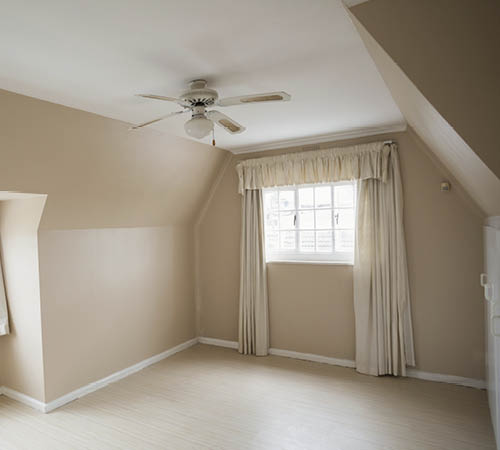

You also need to consider ceiling height. Most manufacturers recommend a 3m fan-to-floor distance if possible and for safety reasons, a ceiling fan should never be mounted less than 2m from the floor.
Since the average ceiling fan weighs 8kg or more, should be securely anchored to a sturdy roof truss or beam and should be professionally installed. An electrician will need to certify its safety as part of your home’s electrical system, or it could void your home owner’s insurance cover.
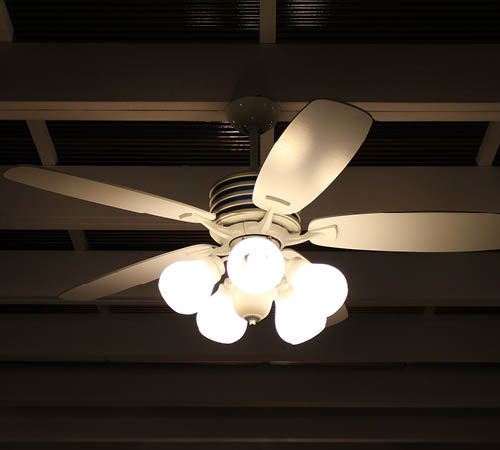
Another factor to consider is the number of fan blades and the materials they are made from. To work properly, ceiling fans should ideally have three to six blades, but balance is more important than the number, as uneven blades will cause the fan to wobble. It is thus important to select fans with rust-free finishes and blades that won’t warp – especially in damp coastal climates.
If you’re replacing an overhead light with a fan/ light combination, you need to decide what controls to look for. Options include pull chains, wall-mounted control boxes and, with many newer models, handheld remotes.
