
New bylaw will take on slumlords
Derelict houses in Morningside are turned into an eyesore, after being abandoned and taken over by squatters causing fears amongst fed up neighbours.
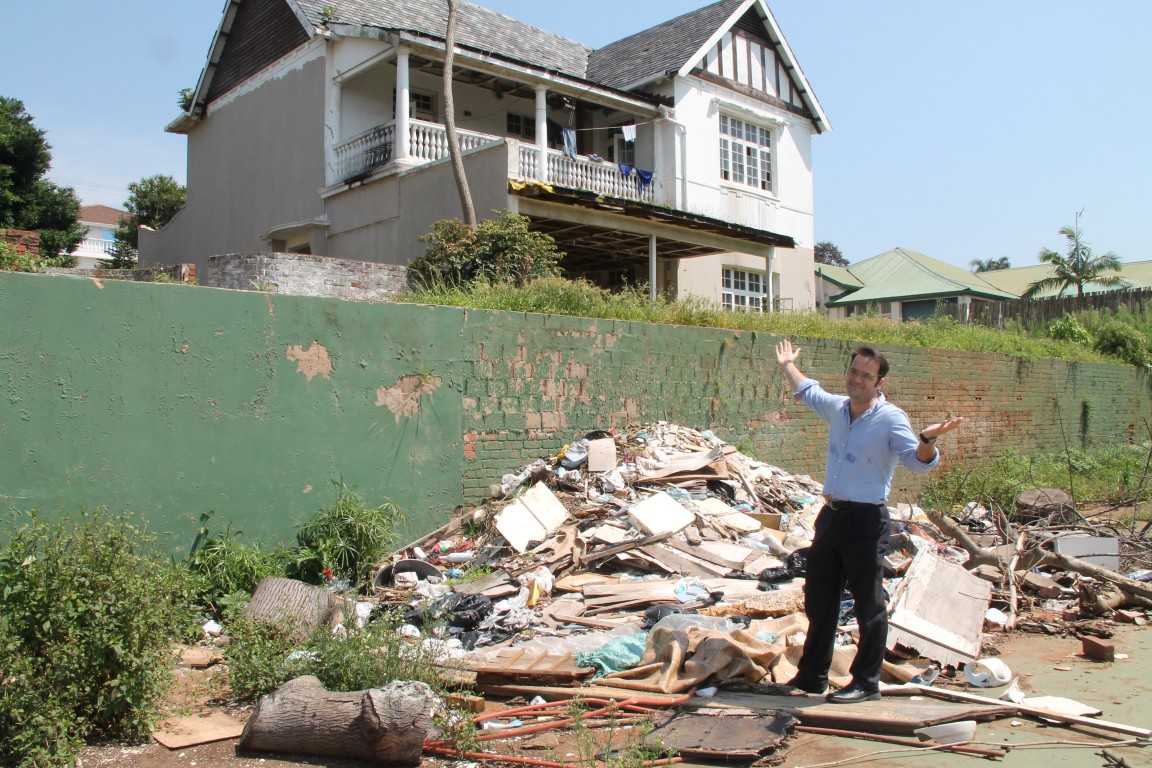
A NEW bylaw which would deal exclusively with abandoned and derelict properties, could be the answer to many residents’ prayers and may go a long way in putting an end to urban decay.
Ward 27 Councillor Martin Meyer said derelict buildings were of huge concern to communities and residents whose properties adjoined, or were in close proximity to homes and building abandoned by absentee landlords. Meyer said many abandoned buildings were regularly reported to the City Health Department and iTrump, but he felt the city had to do more to alleviate the problems slum properties caused in neighbourhoods.
According to Meyer, the DA is trying to implement a new by-law as soon as next year. Aptly dubbed the “problem building bylaw”, it was agreed on during a full council sitting in September 2011 to assist residents to stop such urban decay. Meyer said the DA will re-submit the proposed bylaw to council in January next year to address the crisis.
Decaying properties, such as the former Morningside mansion on the corner of Sandile Thusi (Argyle) and Problem Mkhize (Cowey) Roads, have caused serious repercussions for its neighbours. “This house has been vacant for many years and vagrants have been living there for quite a while. They have washing on the line in the balcony, have cleared and dumped trash on the ajoining tennis court and even painted areas of the house,” said the shocked councillor.
Meyer said there were more than a dozen houses in similar states which had angered communities. “It causes urban decay. The city needs to take action because property prices drop when there are squatters living next door! The houses just invite crime and grime into our suburbs,” he said.
According to Meyer the problem was not restricted to Morningside but prevailed throughout the city. “It has become a pattern, developers buy a property with the idea to develop into accommodation or offices but when they realise they need AMAFA permission as the properties are over 60 years old or are met with rezoning restraints, they lose interest and hold the city to ransom. The city loses income with property prices dropping and ultimately residents suffer. Neighbours and those living in the area have to deal with health risks brought about by the dumping of solid waste and even human waste which in turn lures rats. The landlords don’t have to deal with any of these problems because they live elsewhere,” he said.
Another eyesore is a former retirement home on Ninth Avenue, which had to be regularly raided by police to get rid of squatters and vagrants. The property has become a safety risk for passing pedestrians as the roof appears to be crumbling onto the pavement.
Berea SAPS CPF Sector 3, secretary Nicky Burke who keeps tabs on the ‘bad buildings’ in the area said the value of neighbouring properties had dropped dramatically. “There are eight properties in the area I have identified in our sector, two will be worked on early in the new year after there were delays to the passing of the plans by AMAFA.
She said having a by-law that dealt with problem properties would give the municipality the security of recourse and homeowners a parameter to work with. “It would be nice to have rules in place and a law that governs these building that people have to stick to,” she said..
How the Problem Building by-law would work:
Dean Macpherson, the DA eThekwini finance spokesperson defines a “problem building” as any land or building showing elements of the following:
1 Appears to be abandoned by the owner.
2 Is derelict in appearance, overcrowded or shows signs of becoming unhealthy, unsanitary, unsightly or objectionable.
3 Is the subject of written complaints in respect of criminal activities; including drug dealing and prostitution.
4 Illegally occupied.
5 The accumulation, dumping or storage of waste.
6 Is partially completed or structurally unsound and is a danger to the safety of the general public.
“Should a building show any of the above features, the owner will have 60 days to rectify the problem or face losing the property. In cities where such a by-law has been passed, the evidence indicates high compliance rates and general improvements in property maintenance.” added Macpherson.