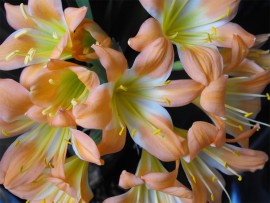
Gardens launches new clivia heritage programme
Durban Botanic Gardens will launch a new Clivia Heritage Programme on Saturday 10 September.
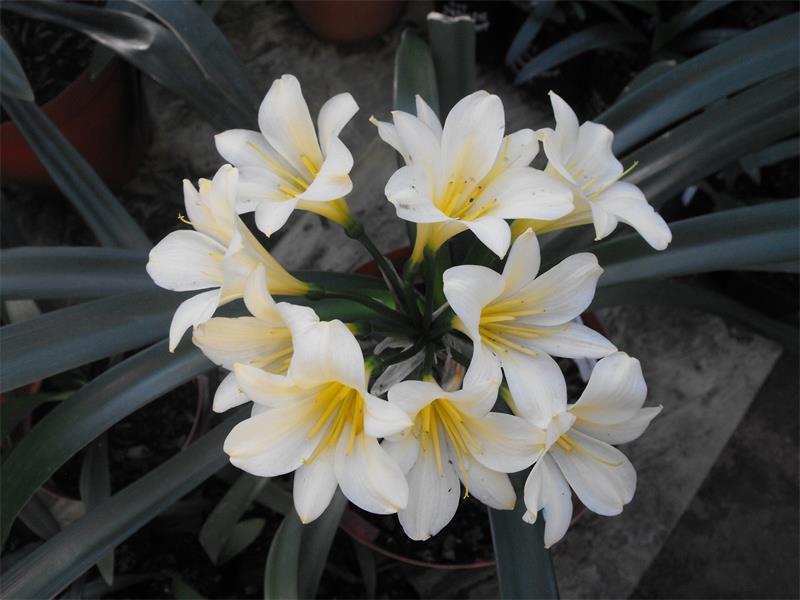
THE Durban Botanic Gardens together with eThekwini Parks Production and Display Department will open a new Clivia Heritage Exhibition in the Biodiversity House at the Durban Botanic Gardens this weekend.
The programme, which will run from Saturday 10 to Friday 16 September, will also include an opportunity for school learners to interact with clivia experts from the local Clivia Society to learn how to successfully grow clivias while appreciating their important biodiversity heritage value.
This new Clivia Heritage Programme is a collaboration with retired deputy head of Parks, Christo Swart together with the Durban Botanic Gardens Collections, Horticulture and Education team. Further ongoing research and development will be undertaken by the department’s micropropagtrion and specialist nursery staff. Support is being offered by the Clivia Society in this endeavor as well as assistance from the KZN Clivia Club, which is a member of the Clivia Society.
“As a botanic garden with plant conservation, education and botanical heritage as part of its core values, a Clivia Heritage Collection is a worthy addition to the Durban Botanic Gardens given the need to contribute towards the future conservation of clivias and highlighting their natural and cultural heritage significance. The genus clivia is endemic to Southern Africa and belongs in the plant family Amaryllidaceae, comprising six recognised species,” said curator, Martin Clement.
The Clivia Heritage Programme aims to develop a Clivia Heritage Collection at Durban Botanic Gardens as part of a broader conservation gene-banking initiative, integrating clivia conservation as a theme into the Gardens' existing education programme with suitable learning support materials and active-based learning programmes developed for all ages and exploring further research, publications and partnership opportunities so as to add value to the overall conservation effort on clivias.
“Limited micro propagation research and development work has been done on clivias locally. The growing of plants making use of tissue culture techniques is not new but growing clivias in this manner will be pioneering work as not much information is available from a South African context. Information gathered in this regard will greatly assist in the production of clivia habitat species. Making use of tissue culture propagation a 100 per cent replica plant can be produced from the original clone or offset. Compared to line breeding making use of seed, it can take up to 10 years to achieve a 100 per cent replica of the desired plant. Research will also seek to determine the best method of harvesting plant material for propagation,” said Clement.
A clivia propagation challenge is included in the programme for local schools. This will form part of a long term schools project taking into account that clivias propagated by way of seed take three to four years to flower and must be replanted after a year to 18 months into larger containers. The objective will be to educate, stimulate an appreciation for conserving clivias and instill a lasting interest in clivias with consideration for a future career in horticulture or botany.