International Mother Language Day: school unites nations in Morningside
The Berea Mail visited Alliance Française to find out more about how language can unify nations.
WITH 11 official languages spoken in South Africa, locals often speak more than one. Some may have learnt a second language at school and others who grew up with two or three mother tongues are bilingual or multi-lingual language speakers. International Mother Language Day is one for the books because of our rich mix of languages spoken in the melting pot of South Africa.
Declared an awareness day by the United Nations, International Mother Language Day shines a light on the role language plays in unifying cultures in Sustainable Development Goals. According to the UN website, the theme of the 2022 International Mother Language Day is Using technology for multilingual learning: Challenges and opportunities.
“Technology has the potential to address some of the greatest challenges in education today. It can accelerate efforts towards ensuring equitable and inclusive lifelong learning opportunities for all if it is guided by the core principles of inclusion and equity. Multilingual education based on mother tongue is a key component of inclusion in education. During Covid-19 school closures, many countries around the world employed technology-based solutions to maintain continuity of learning,” read the site.
Also read: Linguists share language insights for International Mother Language Day
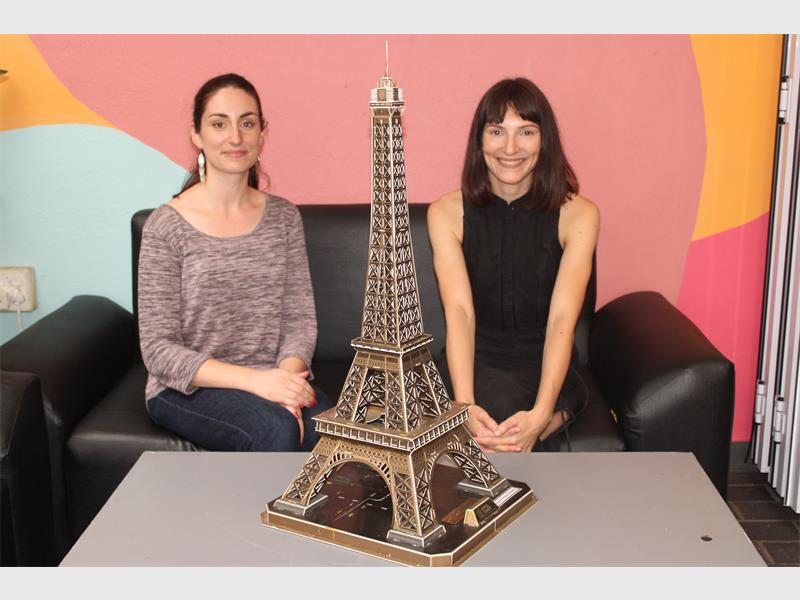
Morningside language school, Alliance Française is one such institution, using technology to teach language through online classes. The Berea Mail visited a French class on Monday, February 14 to find out more.
Although French is not one of South Africa’s 11 official languages, many French speakers from African countries find a home here, said course coordinatior from Alliance Française, Capucine Rouet.
“There are a lot of African countries where French is an official language. You will find French across all five continents. If you are looking for job opportunities, to study abroad or travel, French is useful,” said Alliance Française course coordinator, Capucine Rouet.
One clear difference between English and French is the use of gender in nouns, an aspect of the language that even mother-tongue speakers like Pauline Billaud, can’t explain. Billaud who is a French teacher at Alliance Française, has taught French as a foreign language for two years locally and abroad.
Also read: ‘Get involved,’ calls Talk Sign campaign
“It is interesting when you explain to students that a table is feminine in French. I always tell my students that when I learn a new word in French, I will have to check if it is a feminine or masculine word. Soon students realise that every time they learn a new word, they will learn if it is masculine or feminine. It becomes automatic,” she said.
* Notice: Coronavirus reporting at Caxton Local Media aims to combat fake news
Dear reader, As your local news provider, we have the duty of keeping you factually informed on Covid-19 developments. As you may have noticed, mis- and disinformation (also known as “fake news”) is circulating online. Caxton Local Media is determined to filter through the masses of information doing the rounds and to separate truth from untruth in order to keep you adequately informed. Local newsrooms follow a strict pre-publication fact-checking protocol. A national task team has been established to assist in bringing you credible news reports on Covid-19. Readers with any comments or queries may contact National Group Editor Irma Green (irma@caxton.co.za) or Legal Adviser Helene Eloff (helene@caxton.co.za).