Some like it ‘Scot’
The Burns Lunch is a yearly celebration of the life and legacy of Scotland’s favourite national poet, Robert Burns, who was born on January 25, 1759.
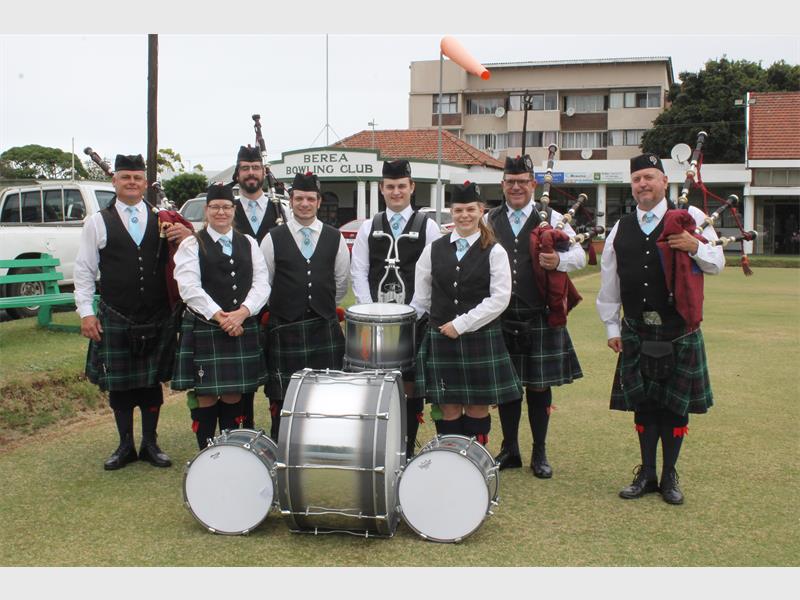
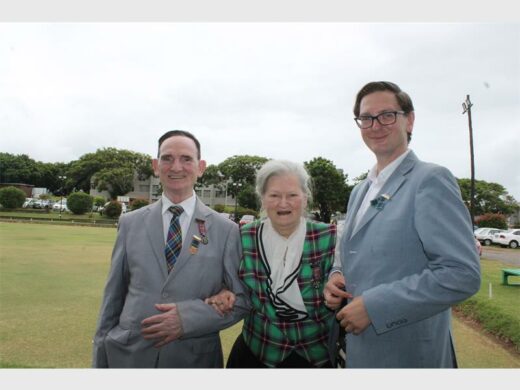
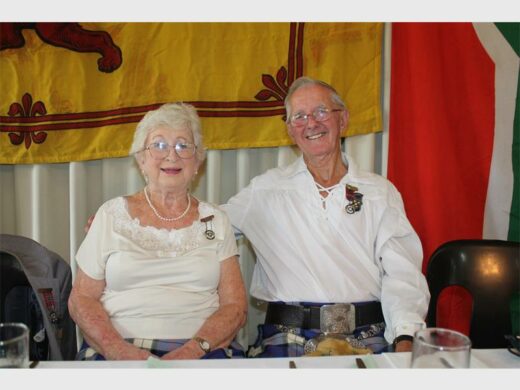
ON Sunday, January 29, people of Scottish descent and admirers of Scottish culture gathered at the Berea Bowling Club for the annual Burns Lunch, hosted by the Durban Caledonian Society. The Burns Lunch is a yearly celebration of the life and legacy of Scotland’s favourite national poet, Robert Burns, who was born on January 25, 1759. The hall of the Berea Bowling Club was full to the brim with local residents eager to hear about the legacy of the famous poet and indulge in traditional foods, such as haggis and tattie scones. The festivities were led by the deputy chief, Alex Coutts, of the Caledonian Society who captured the attention of attendees as he told the epic story of Robert Burns’ life and his legacy.
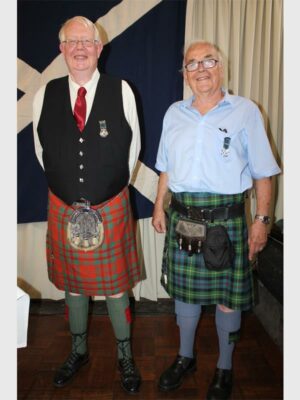
“Burns lived from 1759 to 1796, a short life of 37 years. He lived during the period known as ‘The Enlightenment’ which stretched from about 1700 to about 1820. Many great minds, such as Emmanuel Kant, contributed to its evolving philosophy, which sought to take people out of the horrors of the time to a life free from arbitrary cruelty, dogma, tyranny and coercion,” said Coutts.
ALSO READ: Markets in the 031: Durban North market makes strides since start of pandemic
Coutts said that in 1786, after a youthful life as a struggling farmer, distributor of wild oats and an increasingly successful poet, Burns borrowed a pony and rode from his home near Ayr to Edinburgh.
“Burns wrote his great volume of poems, entitled Poems, chiefly written in the Scottish dialect, in the middle of the 1780s. In 1786, a year before the poems were published, was when Burn’s rode to Edinburgh, where he mixed with the upper classes and Scottish intelligentsia, where he was well accepted,” he said.
Coutts went on to say that it was clear to all that Burns possessed a remarkable intellect and immense capability as a poet. “His poems range from the political, where he concerns himself with the humanist view that ordinary people are of equal right to all others, to his ode to a mouse, wherein he concerns himself with the welfare of a small field mouse, the meanest creature of nature.”
ALSO READ: Aweh! Find out what’s popping in Durban this weekend
The deputy chairperson said that although Burns was a gifted poet, he did not always make the best decisions. “He fathered nine children. Only three of these children lived to adulthood. So he was, no doubt, irresponsible at times. It is estimated that, during the 1700s, mortality at birth, worldwide, fluctuated between 30 and 50%. I don’t sense Burns as cruel or even insensitive, but he was certainly irresponsible.”
“To my mind, for his better characteristics, he was recognised as the embodiment of many of the Scottish. Therein, I believe, lies his rapid rise to fame. In later years, he was accepted as the equal of Keats, Byron, Shelly, Wordsworth and other great writers,” he concluded.
For more from Berea Mail, follow us on Facebook, Twitter and Instagram. You can also check out our videos on our YouTube channel or follow us on TikTok.