
Local schools decode hackathon challenge
Grade Six learners from across 21 schools stepped into the world of technology and innovation, with a touch of creativity when they took part in the launch of a coding hackathon challenge, aimed at unlocking potential in learners who may be excluded from access to technology.
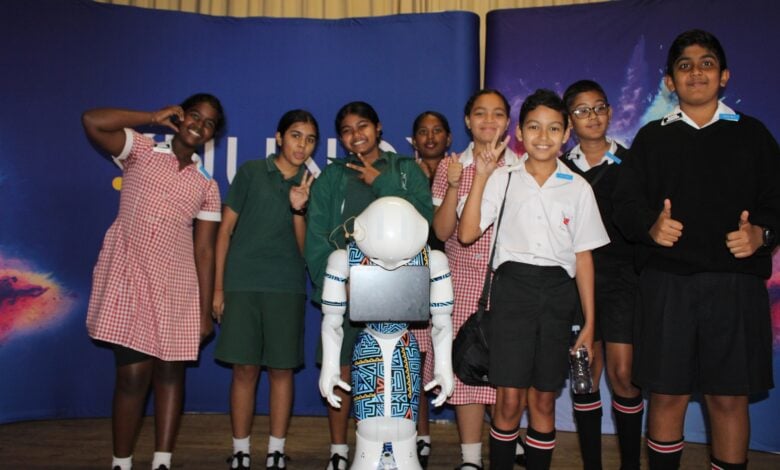
LEARNERS gathered at Gordon Girls Primary School on Thursday for the launch of a STEAM Coding Challenge, which saw Grade Sixers across 21 local schools introduced to a world of coding that most of them could not have imagined.
Among participating primary schools were Berea West Primary School, Charles Hugo Primary School, Durban Preparatory High School, Glenmore Primary School, Hartley Road Primary School, Livingstone Primary School, Morningside Primary School, Manor Gardens Primary School, and Rippon Primary School.
The project was made possible by Standard Bank Group Technology and the Kuunda Disrupt Programme.
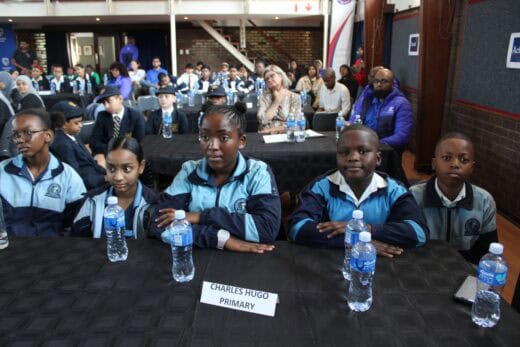
This initiative brings together 21 quintile level four and five primary schools, and 126 learners for a hands-on experience in Science, Technology, Engineering, Arts, and Mathematics (STEAM).
The STEAM Hackathon is designed to ignite curiosity and creativity among learners from schools that lack access to IT labs, coding, or robotics education. Each participating school will receive a Raspberry Pi and Microbit kit, along with a dedicated technical mentor to guide students through monthly coding modules.
“This initiative is about more than just coding,” said Sershni Govender, head of innovation (KUUNDA) at Standard Bank Group Technology. “It’s about unlocking potential, building confidence, and creating pathways for learners who might otherwise be excluded from the digital economy,” added Govender.
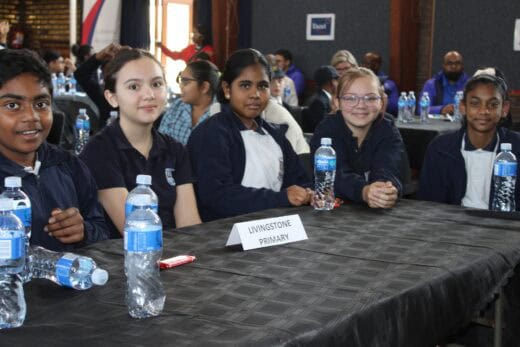
The Kuunda Disrupt programme has reportedly already seen success across Africa. Last year’s winner, Kenville Primary School, came up with a life-saving project called a Sand Bomb.
The Sand Bomb, through a robot-coded Raspberry Pi, detects and alerts the community of fires. The Kenville area has experienced fire accidents in the past, and one of their schoolmates died in a fire, prompting the learners to create something relevant and useful. The Sand Bomb is mounted at the school. In the case of fire, signals are sent to the relevant emergency units in real time, hence improving response time and saving lives.
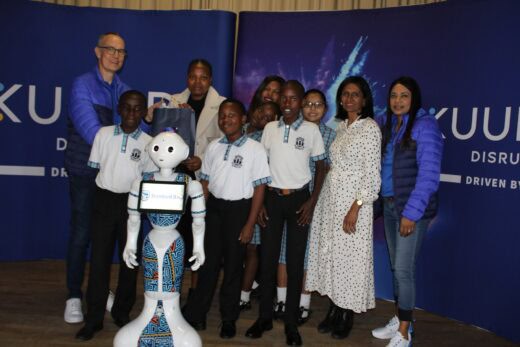
The school’s Department Head, Sherina Naidoo, is still amazed at how her learners worked diligently and displayed unimagined creativity.
“The learners were a marvel to watch. Their minds were limitless. After doing research and brainstorming in the community, several ideas came forward. But in the end, they collectively decided on the Sand Bomb, given the raw experiences they have had with fire accidents.
“Some of them had never used a computer before, and others had limited experience with technology and coding. They used the Raspberry Pi to code maps, to alert and disperse signals. Witnessing this invention was jaw-dropping. This project gave us hope about the future of these children and what their minds can conceive and invent.”
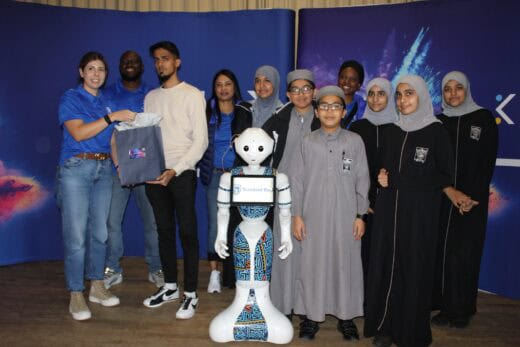
The principal of the host school, Gordon Road Girls Primary School, Dr Sheeren Saloojee, shared what an inspiring journey the launch had been. She thanked Standard Bank, Kuunda Disrupt team; and the participating schools and learners. “Let this launch not be the end, but the beginning of innovation, of collaboration, and of a lifelong love for learning. Together, we are building a future where every learner has the tools to dream boldly and the support to achieve greatly,” concluded Saloojee.
These projects culminate in a STEAM graduation on November 21, where learners will present innovations that benefit their schools or communities.
For more from Berea Mail, follow us on Facebook, X and Instagram. You can also check out our videos on our YouTube channel or follow us on TikTok.
Click to subscribe to our newsletter – here