
Choose a career in accountancy
Anyone who becomes an accountant can be sure that there will always be a position available for them.
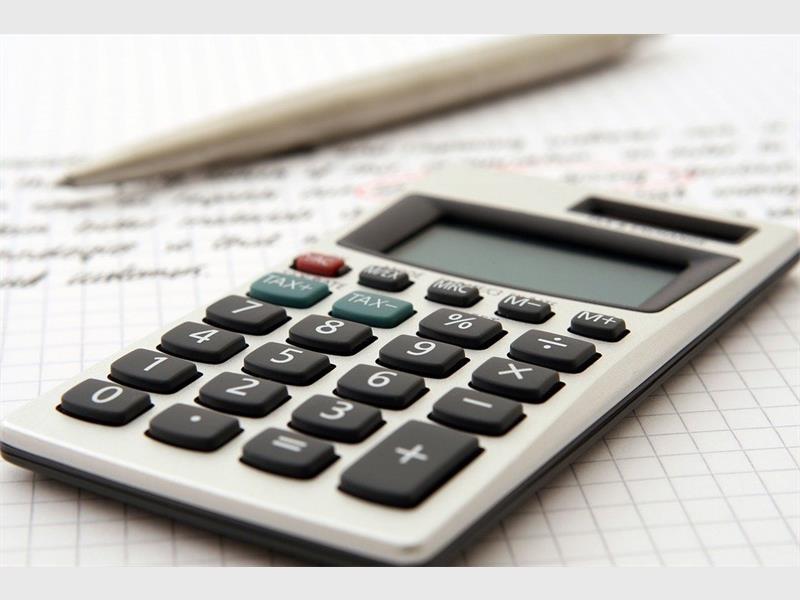
Accountancy is a constantly changing profession that evolves to meet the needs of the modern business world.
Professor Rashied Small, Centre of Future Excellence (CoFE) executive at the South African Institute of Professional Accountants (SAIPA), said career opportunities in accountancy continue to grow but the number of accountants always lags the demand for them.
However, the role that accountants fulfil has changed significantly from the normal processing and reporting function.
“This means anyone who becomes an accountant can be sure that there will always be a position available for them. And the more experience they gain, the greater the financial, lifestyle and career rewards they can expect,” said Small.
Michael Page 2021 report
The Michael Page Salary Guide and Hiring Insights for 2021 reports that the most in-demand positions in the finance and accounting sector are commercial finance manager, tax professional, finance manager, head of finance and accountant. In addition, it notes the most sought-after skills in these roles. Advances in technology and digitalisation of business place accountancy professionals at the centre of the value creation chain of businesses.
The first is financial planning and analysis, which is critical to companies analysing the market and their competitors and planning their finances accordingly.
The second is change management because ongoing changes in companies due to Covid-19 require different methodologies and approaches to businesses than in the past.
The third is good experience in technical accounting to ensure organisations adhere to sound financial processes and use high-quality financial and non-financial data to make business decisions that facilitate the business to be agile and adaptable to changing environments.
Accountancy is a critical skill
Another source, the South African government’s Critical Skills List, highlights the country’s need for accountants is so desperate companies often have to outsource these roles internationally.
They include general accountants, management accountants, tax professionals, accountants in practice, financial accountants, forensic accountants, accounting officers and internal auditors.
“However, companies need accountants with experience, so those candidates who are willing to work hard on gaining good experience can look forward to a promising future at the top of the accountancy profession.
“Companies are not only looking for accountants with strong technical knowledge, but they are also now placing greater emphasis on the practical and applied skills that will support senior management,” said Small.
Future skills
Accountancy is a constantly changing profession that evolves to meet the needs of the modern business world. Today’s accountants find themselves in the midst of the fourth industrial revolution where many of their mundane, repetitive duties are being automated.
However, this creates opportunities for accountancy professionals to use their skills and experience to add greater value to businesses by focusing on the interpretation and utilisation of the value embedded in the information. Therefore, another exciting aspect of accountancy is the need for professionals to reskill and upskill to stay relevant and valuable to the businesses that hire them.
Thus, the perception that accounting is a boring profession no longer exists because the changes in technology and businesses require the accountancy professional to become agile to remain relevant.
Small said the future-ready professional accountants will master artificial intelligence, or AI and data analytics to create value for their employers or clients by extracting predictive insights from data and helping business leaders use them effectively in decision-making.
The future, sustainability and competitiveness of businesses will rely on the expertise of accountancy professionals to extract the value and insights from data using technology.
“To fill this sophisticated role, accountants will also need to expand their soft skills, like lateral thinking, integrated thinking, creativity, communication and presentation, teamwork and business acumen.
This implies that the accountancy professionals will use their technical knowledge together with technology to communicate the hidden secrets and value of data.
“The accountant of the coming decade will not just be an employee or service provider but a major contributor to strategic planning and business expansion,” he said.
SAIPA established its CoFE to research and understand what competencies accountants will need in the future and develop training programmes to prepare them today.
Value, not numbers
While numbers will always be a part of the accountant’s DNA, the days of number-crunching are gone. “Anyone who decides to become an accountant today is looking at a digitally powered career, either as a profitable independent practice owner or high-earning corporate specialist,” said Small.
Also Read: Is your accountant qualified?
Also Read: Matrics can get free accounting and maths support