Five design specifics to look out for when choosing shoes for your kids
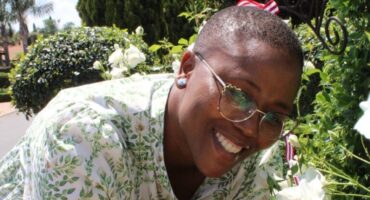
As an occupational therapist, Nicole knew that incorrect footwear could negatively impact foot and overall development in children.
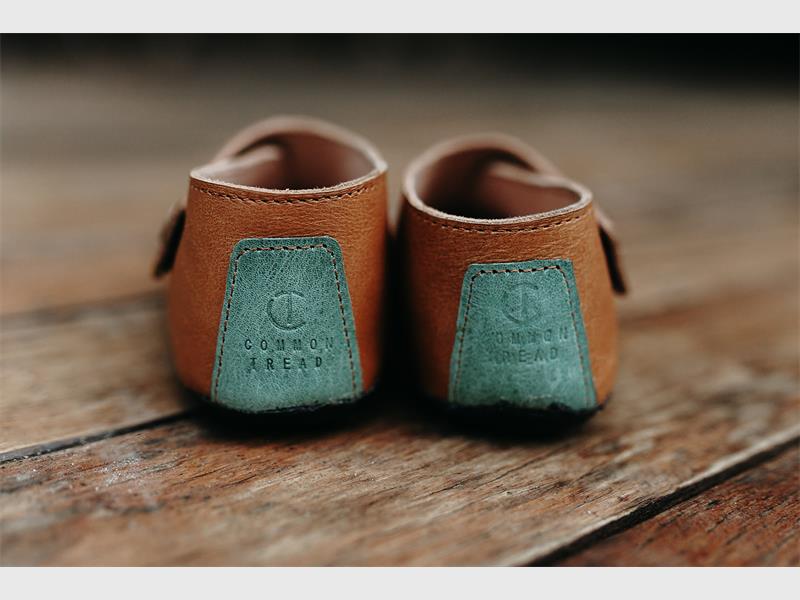
Barefoot is best for little feet but there are times when shoes have to be worn for protection.
These need to be as natural and simplistic as possible so that toddlers’ feet can do what they are naturally meant to do and develop correctly.
Watching their adventurous boys, John and Nicole van Besouw noticed their young sons stumbling over tree roots and struggling to climb rocks during family walks in Cape Town’s forests.
They realised that the hard and thick-soled shoes the toddlers were wearing were hindering their movement.
As an occupational therapist, Nicole knew that incorrect footwear could negatively impact the foot and overall development in children.
“It’s natural for mums and dads to want to protect their children’s feet but it’s incorrect to think that toddlers need arch support or cushioning, even if their feet look flat,” Nicole explains.
According to Nicole, the less cushioning they have the more the ligaments and muscles naturally strengthen.
“Forcing developing feet into the wrong kind of shoes will negatively impact gait and can even cause deformities,” said Nicole.
As Dr Irene Davis of the Harvard Medical School states, “If we start our children out wearing minimalist shoes, there will be no adaptation that is needed as adults and I believe that this could be one piece of the holy grail in reducing musculoskeletal injuries in adults.”
“Footwear should support the foot’s physiological function and the shape and dimensions of the shoe should be the same as that of the foot. As the feet of children are still maturing, they are more vulnerable to external influences like shoes.”
The couple started researching barefoot-designed shoes for toddlers.
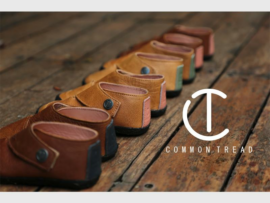
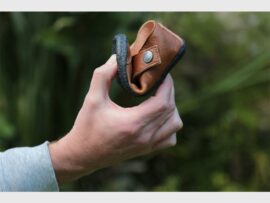
Combining Nicole’s knowledge with John’s engineering expertise, they created a shoe from local materials that are made for movement, stability and natural play.
Since then, their handmade designs have been tried and tested by numerous children to ensure they tick every box in terms of natural food development and barefoot shoe design.
The success of these prototypes, and the feedback the couple received from parents, saw the launch of Common Tread Shoes last year.
Based on her research and experience, Nicole shares tips below that parents can use to ensure they are buying the best shoes for their little ones:
• Zero-slope from heel to toe and minimal cushioning: a heel on the shoe alters the position of leg muscles and the spine.
• A pliable sole: this offers grip but still allows for optimal flexibility of the forefoot during climbing, running and jumping. The foot needs to be able to absorb stress and adapt to all the various terrains.
• Minimalist, thin sole: this allows optimal feedback from the environment as the foot is a sensory organ receiving messages to send to the brain, the more the child feels, the more confidence there is when moving about.
• Wide toe box: the toes should be able to play in the shoe in a natural position as this improves natural foot function, and stability during play, enhancing balance and proprio-receptive feedback.
• Soft, natural, toxin-free materials: parents should choose shoes made from natural materials. An example is a vegetable-tan leather lining that is breathable and naturally fights foot bacteria that causes foot odour. The shoes should also be light and easy to fasten so that children can put their shoes on themselves. This is important to encourage independence.
Also Read: Siyabonga Africa launches School of Fashion
Also Read: Five eco-friendly fashion must-haves