Witfield woman turns pain into purpose after dystonia diagnosis
“I dream of my daughter and others having access to the care they need.”
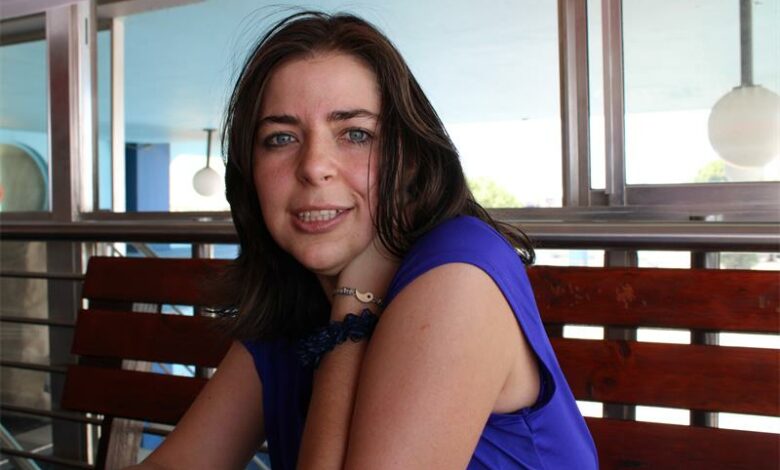
“Let your soul shine as bright as your smile.”
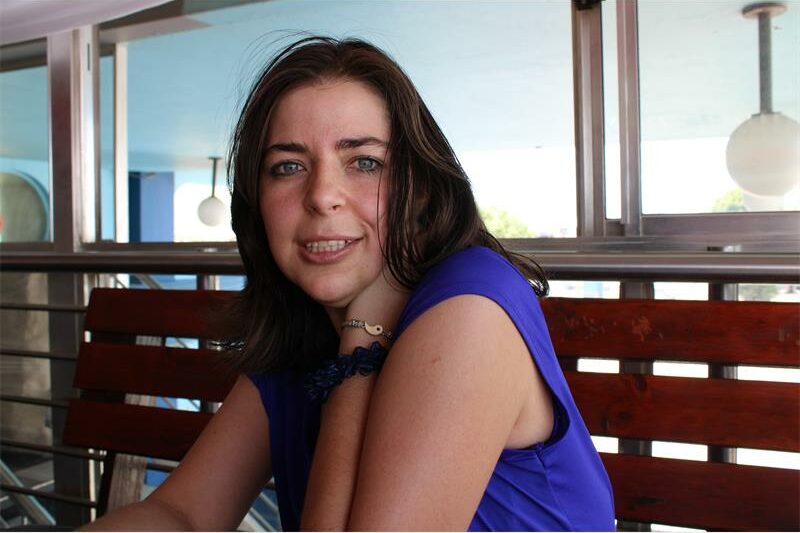
This is the daily mantra that keeps Cammy Stockdale of Witfield grounded and present as she faces the challenges of living with dystonia.
Dystonia is a neurological movement disorder characterised by involuntary, sustained, or repetitive muscle contractions that cause twisting and abnormal postures.
It is caused by a malfunction in the brain’s basal ganglia, which regulate movement, often leading to painful spasms, tremors, and, in some cases, functional impairment.
It has been a decade since a minor injury to Cammy’s right ankle turned her life upside-down.
Also Read: Breast Cancer Awareness Month: Know the signs
An eventual diagnosis gave her the courage to embrace the rare disease and explore options to once again usher ‘normalcy’ back into her life.
In celebration of Rare Disease Day on February 28, Cammy sat down with the Benoni City Times to open up about her journey of being an adventure-loving 21-year-old to accepting that her spritely spirit has become trapped in a body riddled with aches and pains.
“In 2016, I was a passenger on a motorcycle. I was used to riding and often rode solo,” she said, paying careful attention to her enunciation.
“I remember seeing a car veer in our direction and I panicked. I jumped off and sprained my ankle on the curb.”
What followed was months of agonising pain, yet no medical evidence for her discomfort.
By 2017, walking had become cumbersome, but the inability to chew, speech impediments, and spasms sent alarm bells chiming.
“She went for countless tests, was seen by numerous doctors, yet there were no answers,” said Charmaine, Cammy’s mom.
“Due to the continuous swelling of her tongue, it was recommended that part thereof be removed in an attempt to aid her speech and ability to eat, chew and swallow. Speech therapy was also recommended.”
Following an intensive assessment, Cammy was referred to the Charlotte Maxeke Johannesburg Academic Hospital.
It was here in March 2023 that she was finally diagnosed and a treatment plan in the form of medication and Botox injections was formulated.
“It was a relief to finally know what was going on. It proved to me that it wasn’t in my head,” said Cammy.
“The medication has improved the spasms and the Botox injections, every three months, around my eyes, neck and inside my mouth numbs the muscles enough, thus improving my ability to communicate.
Charmaine further explained that although the onset of the disease has not yet been identified, it is hoped that further tests, including an MRI, will shed more light on the matter.
Despite some physical difficulties, Cammy leads a fulfilling life, even running a micro-business as a freelancer specialising in data capture, photography, graphic design, social media marketing, and office administration.
“There is nothing wrong with my brain; it is my body that is affected,” she said, sipping on a strawberry milkshake, which she said soothes the effects of recently administered Botox treatment.
“I was raised to be strong and determined. I’m too stubborn to be consumed by negativity.
“Do I get angry? Absolutely! But then I look in the mirror to see if I can change anything.
“Obviously, I can’t, so I flip my hair and tell myself I’m doing my best.”
Living with a rare disease, Cammy said it is sometimes difficult for people to witness another human slurring when they speak or see their bodies move involuntarily.
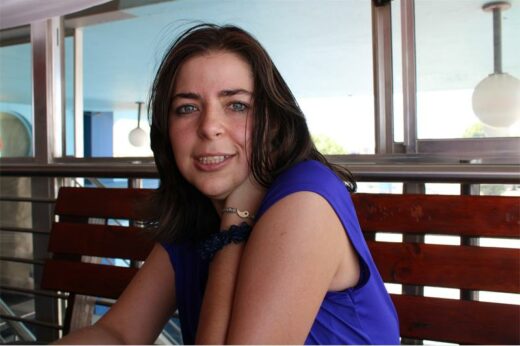
“Some will stare while others will pretend you don’t exist. At least when people stare, I know they acknowledge my existence.
“I am a fully and completely able human being. If you have a question, ask. My disease does not define me – my soul does.”
Turning her attention to younger children who may be living with a rare disease, Cammy urged them to stand bravely, being courageous in not letting the symptoms defeat their power.
“We are all unique stars, be who you are and let your light shine.”
RDSA calls on healthcare sector to dig deeper
It is estimated that 3.6 million to 4.2 million people in South Africa are living with a rare disease, which translates to approximately one in every 15, of which most are children.
Rare Diseases South Africa (RDSA) is calling on every South African and the healthcare sector to use this day for more than a symbolic show of support.
“For those living with a rare disease, the day is not just about creating awareness,” said Kelly du Plessis, RDSA founder and CEO.
“It is about what happens in the consulting room, referral pathway or funding decision.
“In the world of rare diseases, one more question from a healthcare professional, one more referral, one more moment of recognition can change a family’s entire journey.”
There are thousands of rare diseases affecting individuals country-wide, with symptoms being serious, progressive and life-limiting.
“The reality for many families is a long diagnostic journey that can involve years of uncertainty, misdiagnosis and specialist delays,” said Du Plessis.
“Locally, those challenges are often compounded by limited access to specialised care, uneven diagnostic availability and complex funding environments.
“When a patient finally receives a diagnosis, it should be the beginning of a clearer path, but for many, that is when the next set of barriers begins, such as navigating medical scheme rules, pre-authorisations, benefit limits, travel logistics and trying to coordinate care in a system that is not designed for uncommon conditions.”
With rare diseases, earlier recognition can reduce unnecessary procedures, prevent complications and improve quality of life.
It can further reduce downstream cost to the health system by avoiding years of ‘diagnostic wandering’ and repeated interventions that do not address the underlying condition.
“If awareness can prompt one clinician to connect the dots sooner, that is real impact,” she said.
For more information, go to www.rarediseases.co.za