
Know the signs of stroke and act F.A.S.T! Time lost is brain lost.
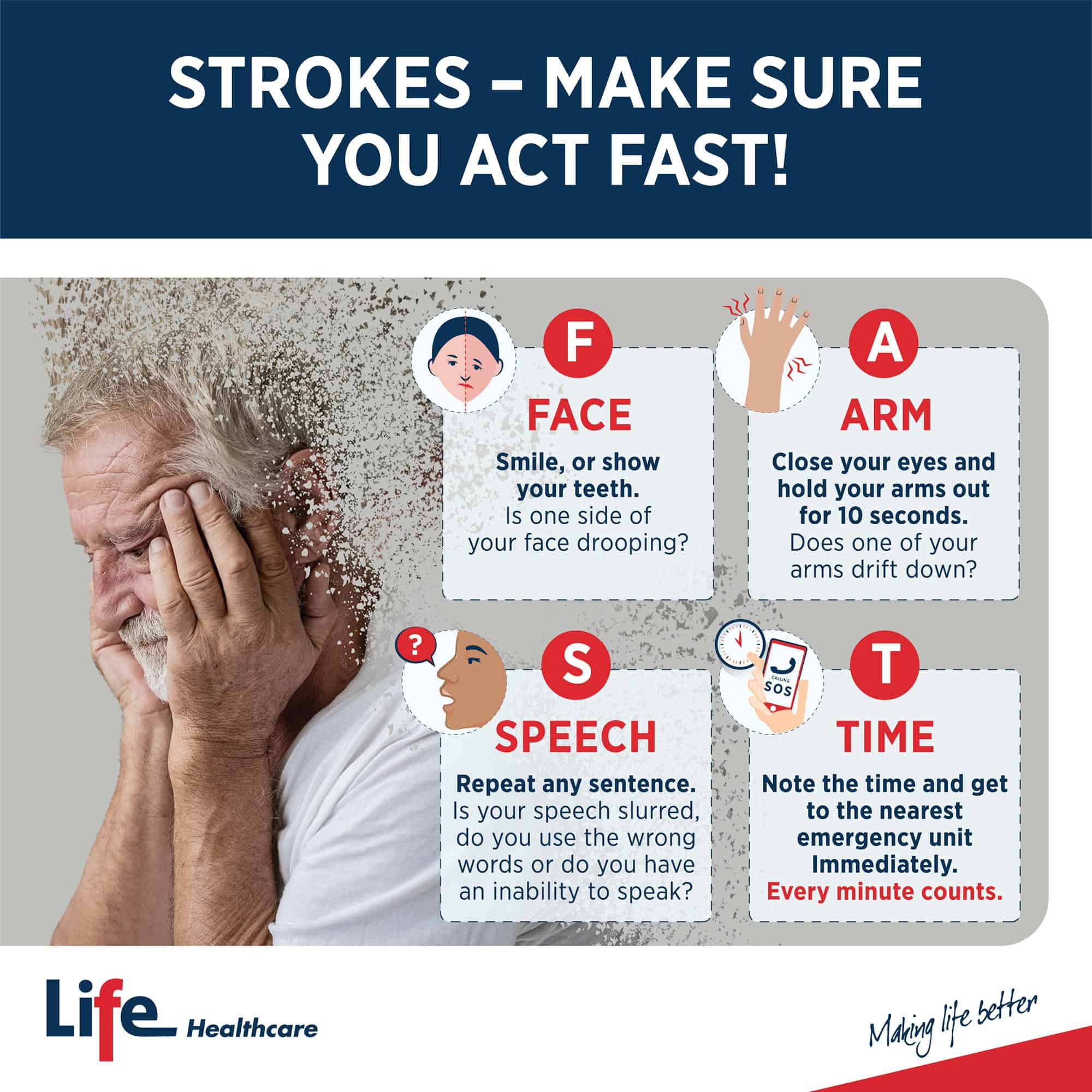
Could you save a life? Recognize the signs of stroke with the F.A.S.T. acronym (Face, Arms, Speech, Time) and know that quick action is crucial.
Picture this scene: You’re sitting with a friend or loved one when suddenly their face starts to droop on one side. They suddenly struggle to lift an arm. Their words suddenly sound slurred or strange. They suddenly seem confused. What would you do?
These are the signs of stroke. During a stroke, every second counts. The longer it takes to get medical help, the more brain cells are damaged or die due to the lack of oxygen. Quick action is crucial because immediate medical intervention can significantly improve the chances of recovery and reduce the extent of brain damage. Essentially, the faster you act, the better the potential outcome for the person experiencing the stroke.
A stroke happens when blood flow to part of the brain is cut off, either by a clot or bleeding. Without blood and oxygen, brain cells start dying within minutes. The longer it takes to get medical help, the more damage is done, but with swift medical intervention, outcomes are dramatically improved. This is why doctors stress the saying: time lost is brain lost.
Dr Peter Beskyd, emergency medicine specialist at Life The Glynnwood, recommends remembering the acronym F.A.S.T to recognise a stroke: Face, Arms, Speech, Time. If one side of the face droops, an arm drifts down, or speech is slurred or strange, it’s time to call emergency services immediately. Don’t wait to see if things improve. Even if symptoms go away quickly, it could be a “mini stroke” know as a Transient Ischemic Attack (TIA), which is a serious warning that a major stroke could follow.
“The emergency unit team at Life The Glynnwood is equipped to rapidly respond to patients who arrive at the hospital with a suspected stroke,” says Dr Beskyd. “Immediate treatment, including brain scans, focuses on saving brain function.
Dr Beskyd praised individuals who swiftly identified the sudden onset of symptoms and promptly brought called an ambulance or got their loved ones to the hospital, highlighting the positive impact on patient outcomes, with many able to return to a normal life. “Regrettably, we still encounter numerous patients who arrive at the emergency unit several hours, or even days, after stroke symptoms have begun. These patients face the highest rates of complications, severe life-altering consequences, or even death.”
If you suspect someone is having a stroke, immediately call your nearest emergency medical unit for help. Paramedics can start treatment on arrival and en route to the hospital. Every minute is crucial.
“Life The Glynnwood offers the Benoni and Boksburg community a free service of an emergency response vehicle with trained paramedics in advanced life support,” says Hendrik Swartz, hospital manager. “In a medical emergency, our paramedics can assess and treat patients, arrange an ambulance (for which there will be a call-out fee), and alert the hospital to activate the stroke team.”
For this Life Healthcare service contact the call centre on 0860 123 367.
The risk of stroke increases with high blood pressure, smoking, diabetes, high cholesterol, obesity, and heart disease. Many strokes, however, can be prevented through healthy lifestyle habits like quitting smoking, eating well, staying active, and keeping blood pressure under control.
“A stroke can happen to anyone — young or old, healthy or not. But when it happens, quick action can mean the difference between life as you know it and a life forever changed,” adds Dr. Beskyd.
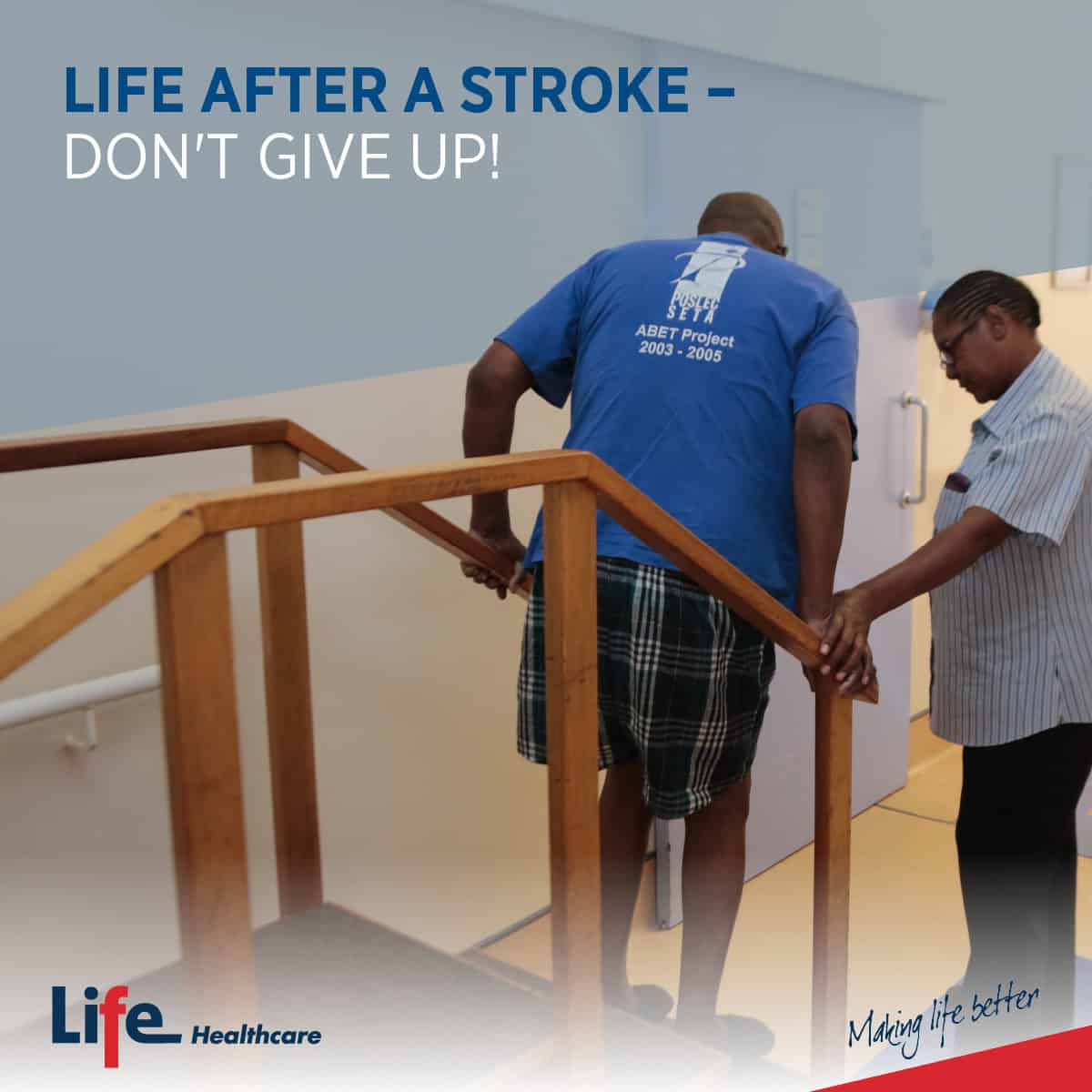
After hospital admission, Life The Glynnwood will assign a care co-ordinator to assist discharge plans, whether to an acute physical rehabilitation facility such as Life New Kensington Clinic or directly home. The care co-ordinator will guide patients and families on the way forward and how best to adapt to any changes that may be required.
“Act F.A.S.T,” says Swartz. ”While each patient is unique and responds to treatment differently, when we work together, the outcome possibilities of our patients can dramatically improve.”
For more information, contact:
Bonnie Whiffler
Marketing & Communications
Life The Glynnwood & Life Glynnview
Tel: +27 11 741 5212
Bonnie.whiffler@lifehealthcare.co.za