
A day in the life of a bodyguard
From pre-drills to protecting global stars, one local explains the real-life grit of being a bodyguard.
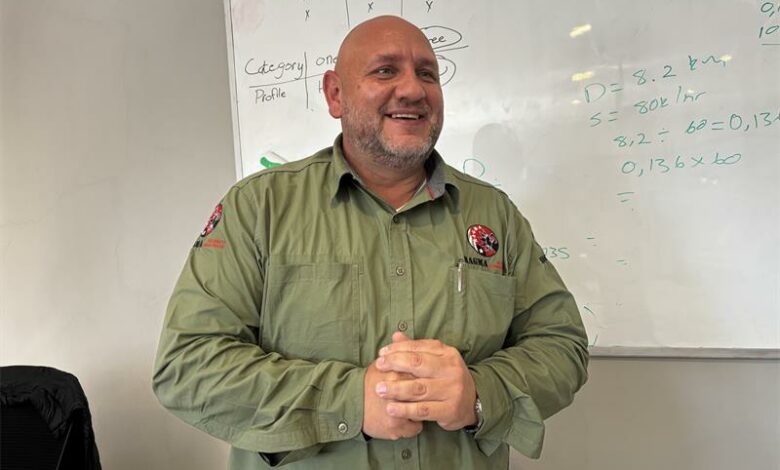
Bodyguarding is often glamorised in movies, but the reality demands intense discipline, advanced training, and constant vigilance.
Impala Park’s Carlos Rego (47), a bodyguard with over 25 years of experience, explained how his career is shaped by his family, rigorous fitness routines, and a deep commitment to client safety.
From childhood inspiration to professional bodyguard
“I grew up in a family of bodyguards — nine of us in total. At 15, I was already involved, holding the door for ministers and politicians thanks to my uncle, who worked in the Presidential Protection Unit.”
This early exposure ignited his passion for professional bodyguard training and VIP protection.
He explained that, back then, many learned through the military or navy.
“I was, however, trained and worked in the private sector. About 15 years ago, I started my own company where I have also been training bodyguards for 10 years,” he explains.
“Today, bodyguards complete a basic 26-day Close Protection Officer course, followed by ongoing advanced training to maintain skills.”
A typical day for a bodyguard
A bodyguard’s day starts early, often before dawn, with thorough preparation.
“We inspect all gear and plan routes based on the client’s itinerary. Whether in armoured cars or on foot, protection strategies adjust to the environment — from urban Sandton to remote bush locations,” he said.
Physical fitness is vital. Candidates must meet strict fitness standards: a 2.4 km run in 14 minutes, 60 push-ups and sit-ups in two minutes, 12 chin-ups, and a 100m fireman’s carry drag in 30 seconds, among other tests. Those who fail are reassigned until they improve.
Besides fitness, professional bodyguards maintain skills in advanced defensive driving, firearms proficiency, and first aid.
“Continuous training keeps us ready for any situation.”
Real-life risks and protecting high-profile clients
Bodyguards regularly face high-pressure scenarios. He recalls a 2013 ambush on his way to Ellis Park Stadium, where he neutralised three armed hijackers within seconds, thanks to rigorous training.
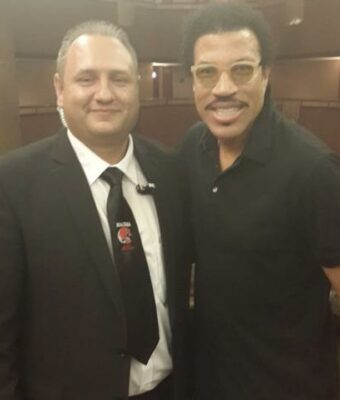
When asked about his career highlights, he said: “There are many highlights. I protected many VIPs, but the highlight of my career was looking after Lionel Richie; a true gentleman.
“My team also looked after Justin Bieber. Each client deserves utmost professionalism and care.”
The personal cost of protection work
The demanding lifestyle comes with personal sacrifices.
“We often miss family events – I missed my daughter’s first Christmas because I was on anti-piracy duty at sea. You may also be deployed overseas for extended periods.”
Supportive families are essential to manage the long hours and deployments.
The growing role of women in bodyguarding
He highlights the increasing need for female bodyguards.
“Women bring unique skills and are highly sought after, especially for specialised roles like ‘ninja nannies’ who protect children.”
He actively promotes female training and leadership in the security industry.
Carlos is committed to advancing industry standards and stricter regulation to curb unqualified operators.
“We want to ensure fully compliant companies get the opportunities they deserve.”
Advice for aspiring bodyguards
Discipline is the cornerstone of a successful bodyguard career.
“I recommend first joining the police or military to build discipline and experience.”
Young recruits aged 18 to 30 should work alongside experienced mentors. The prime operational age range is 30 to 45, balancing maturity and physical capability.
Also Read: A day in the life of an SPCA inspector
Also Read: Steps to becoming a responsible firearm owner