GBV is reshaping the minds of survivors, warns Boksburg counsellor
With violence becoming ‘normalised’ in many homes, a Boksburg counsellor warns that GBV is rewiring how children and adults understand love, safety and relationships.
Gender-based violence is not only destroying families, it is “rewiring the minds of a generation”.
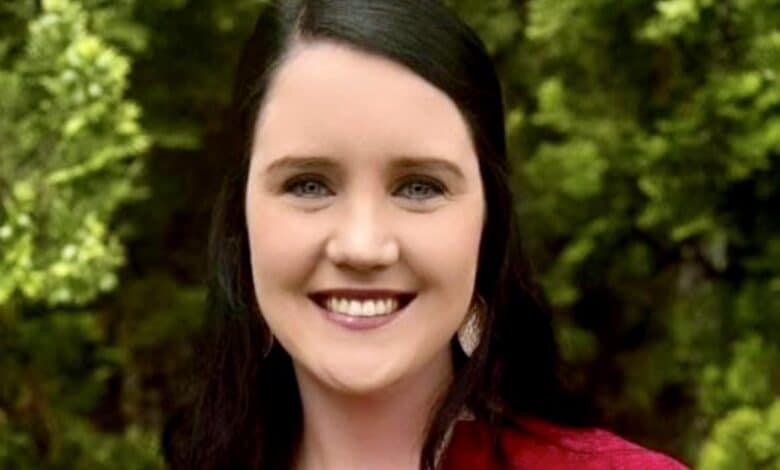
This is a warning issued by HPCSA-registered counsellor Zandrie de Beer from Boksburg.
She says the psychological damage of GBV in South Africa is “profound and long-lasting”, especially as abuse becomes more widespread and normalised.
Speaking to the Boksburg Advertiser ahead of the G20 Women’s Shutdown (November 21) and 16 Days of Activism for No Violence against Women and Children (November 25 to December 10), De Beer said many survivors develop severe mental health conditions.
“I have seen symptoms of PTSD, chronic anxiety, depression, suicidal thoughts and insomnia,” she explained.
De Beer recently reviewed research showing that 42% of raped women in KwaZulu-Natal met the criteria for clinical depression.
“Women exposed to GBV are three times more likely to commit suicide.”
She said many survivors use substances as a coping mechanism, sometimes developing “life-threatening addictions”. GBV also affects physical well-being. “I see a decrease in physical health. Survivors develop hypertension, heart disease and other long-term issues,” she said.
Also Read: G20 women’s shutdown: St Dominic’s unites against GBV with symbolic purple ribbon initiative
Violence has become normalised
De Beer believes that one of the significant reasons GBV remains so widespread is that “violence has become so normalised” in communities.
“Children grow up seeing it, and then it becomes normal for them as adults. Survivors might believe that is how relationships should be, while perpetrators believe violence is the acceptable way to express anger,” she said.
She described cases where survivors remain due to trauma bonds. “The apologies and affection keep them trapped,” she explained.
Another concern is learned helplessness: “Survivors start believing their situation won’t change, and no one will help them.”
She added that “poor self-esteem is the root cause of it all”, making victims more vulnerable. Perpetrators often have poor emotional regulation and may have experienced childhood trauma themselves.
Children absorb trauma even if they aren’t physically harmed
Children in violent homes face profound psychological effects. “Even if they are never directly abused, the violence still impacts them,” De Beer said.
They often live in “constant fear”, struggle with anxiety and sleep disturbances, and show trauma symptoms such as “flashbacks, panic attacks and emotional numbness”.
De Beer said she has treated children who become aggressive or withdrawn. “They present with learning difficulties, memory problems and a higher risk of dropping out,” she noted.
Children exposed to GBV also develop distorted beliefs about relationships. “They believe love comes with pain, and that men are dominant, so women should tolerate abuse – or the other way around,” she said.
Trauma-related conditions are common
In her practice, De Beer frequently sees PTSD, Complex PTSD, depression and generalised anxiety disorder.
“Some survivors dissociate – they zone out and appear disconnected,” she explained.
Others suffer from somatic symptoms, including chronic headaches, stomach issues and body pain. “Trauma affects both the immune and nervous system,” she stressed.
Why survivors stay silent
Survivors often do not report abuse due to fear. “They fear their perpetrators. Some fear their children will be harmed,” she said.
Low self-esteem and guilt also silence many victims. “They blame themselves and fear judgment,” De Beer said.
Economic dependence is another barrier. “Victims fear homelessness or poverty if they leave,” she added.
Also Read: Boksburg North SAPS take a stand against GBV
She also noted that many survivors “lack trust in police and support systems due to slow or ineffective responses”. Cultural pressures can force victims to remain in harmful marriages.
Warning signs communities should watch for
Survivors may appear “constantly on edge, easily startled, avoiding eye contact and withdrawing socially”. Children may show tantrums, aggression, nightmares or school decline.
Statements such as “I feel stuck”, “I don’t want to be a burden”, or suicide talk should raise urgent concern.
Therapy helps restore identity
“Violence teaches the mind that the world is dangerous- therapy helps undo this,” De Beer said.
Grounding, breathing and emotional regulation skills help stabilise survivors.
“Therapy helps them reconnect with their authentic self, rebuild self-worth, set boundaries and process guilt and shame,” she explained. “It doesn’t erase trauma, but it helps survivors reclaim their lives.”
De Beer highlighted Thuthuzela Care Centres, stepped mental health interventions, social workers and first-line support as essential services.
She said mental health professionals play a “critical and multi-layered role” during shutdowns through crisis counselling, psychological first aid, public education, and support for frontline workers.
“Trauma-focused therapy, solution-focused therapy and play therapy are key- especially for vulnerable children,” she concluded.