
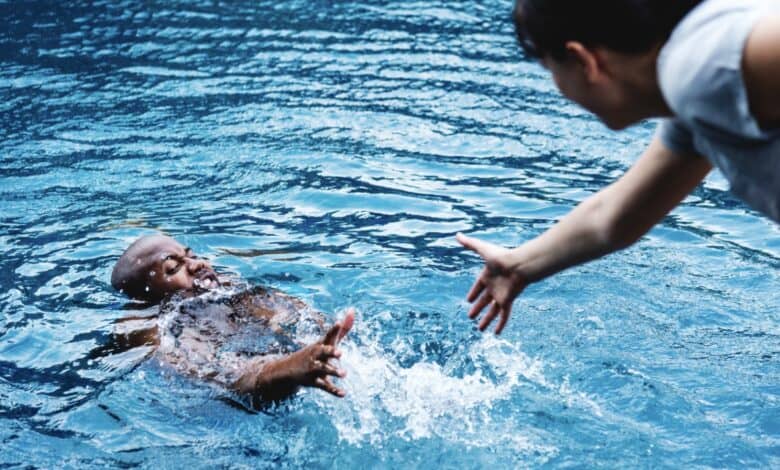
As families flock to pools, beaches and holiday destinations this summer, Affinity Health, a leading provider of high-quality health cover, is urging parents to be aware of a frightening but often misunderstood condition known as dry drowning.
While water activities are a highlight of the festive season, parents need to know that danger does not always end once a child is out of the water. Although dry drowning is extremely rare, it can be life-threatening if not recognised and treated promptly. Understanding what it is, how it differs from typical drowning, and knowing the warning signs can help save lives.
Also Read: Water safety ins and outs
What is dry drowning?
Dry drowning, sometimes referred to as secondary or delayed drowning, describes breathing difficulties that develop after a person inhales a small amount of water. Medically, there are two recognised post-submersion complications:
- Dry drowning: This occurs when water does not enter the lungs but instead causes a spasm of the vocal cords (laryngospasm), temporarily closing the airway and making breathing difficult.
- Secondary (or delayed) drowning: This happens when a small amount of water enters the lungs, leading to irritation, inflammation and fluid build-up (pulmonary oedema), which can worsen breathing over time.
Both conditions can develop within minutes to several hours after a water-related incident and require immediate medical attention.
How it happens
Children are particularly at risk, as they may accidentally inhale or swallow water while swimming, playing in shallow pools, or even during bath time. According to the World Health Organization (WHO), drowning remains one of the leading causes of injury-related deaths among children globally. Even brief submersion incidents can lead to delayed complications if water is aspirated into the lungs.
Dry or secondary drowning can follow incidents such as:
- Being dunked underwater while playing.
- Swallowing water after jumping into a pool.
- Briefly struggling to stay afloat.
- Coughing or choking after inhaling water in a bath or shower.
In dry drowning, the body’s natural reflex tightens the airway to prevent further water entry, but this can also restrict oxygen flow. In secondary drowning, inflammation in the lungs may worsen over several hours, making breathing increasingly difficult.
Warning signs
Symptoms usually appear within one to 24 hours after leaving the water. Parents should seek immediate medical help if a child shows any of the following signs:
- Persistent coughing or choking after swimming or bathing.
- Shortness of breath or laboured, rapid or noisy breathing.
- Extreme fatigue or unusual sleepiness.
- Chest pain or tightness.
- Pale or bluish skin, lips or fingertips.
- Irritability or confusion.
- Vomiting, which may result from oxygen deprivation or inhaled water.
Preventing dry-drowning and water-related incidents
Always supervise children near water: Most drowning incidents occur when caregivers are distracted, even briefly. Stay within arm’s reach of young children at all times.
Teach water safety early: Enrol children in swimming lessons when they are developmentally ready and teach them basic water safety rules.
Use appropriate flotation devices: Only use approved life jackets, not inflatable toys or arm floaties, especially in open water.
Monitor after water inhalation: If a child coughs persistently or swallows water, keep a close eye on them afterwards, even if they seem fine.
Empty small water sources: Buckets, bathtubs and paddling pools should be emptied immediately after use.
Learn CPR: Cardiopulmonary resuscitation can be lifesaving. Early and effective CPR can significantly improve survival chances while waiting for emergency services.
The bottom line
Dry drowning and secondary drowning are rare but serious conditions that can occur hours after a seemingly harmless swim or bath. Prevention remains the best defence through vigilant supervision, water safety education and awareness of warning signs.
Also Read:Drowning prevention tips from DEMS
If a child has experienced a near-drowning incident or shows breathing difficulties after swimming, medical care should be sought immediately.