
Strength training: build a body that lasts
Resistance training not only builds muscle, but it sends a direct signal to your skeleton to maintain its density and strength.
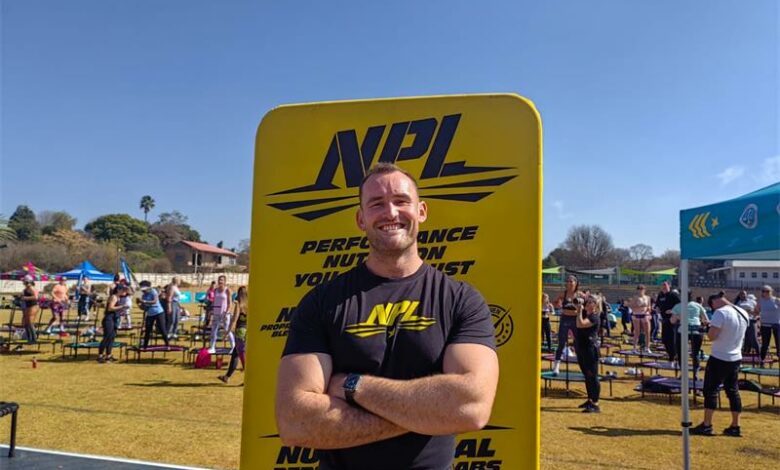
Joining a gym or fitness group, most newbies immediately think about how following an exercise regimen will change the appearance of their bodies.
If you are considering embarking on an active lifestyle, remember that consistent effort will benefit body functions into your golden years and beyond.
Speaking to those who want to age well while maintaining a quality life and reducing the risk of health-related complications, Johan Nel, marketing co-ordinator at Nutritional Performance Labs, recommends regular resistance training.
“Resistance training, done regularly and sensibly, is one of the most powerful preventative health tools available to us. It is time we started treating it that way,” he said.
Benefits of training:
• Muscle is about far more than size
“We tend to think of muscle as something you build to look good or perform better in sport; however, muscle is one of the body’s most important functional tissues,” said Nel.
“It plays a vital role in regulating blood sugar, supporting metabolism and keeping your weight in a healthy range.
“More muscle and the better condition of it, the more capably your body handles the food you eat and the energy you burn.”
Most adults start losing muscle mass in their mid-30s.
Without intervention, that loss accelerates with every passing decade. The knock-on effects are significant and include slower metabolism, rising blood sugar, fatigue and an increased risk of type 2 diabetes and other chronic conditions.
ALSO READ: Ekurhuleni’s strongest flex their muscles in Benoni
“This is not an inevitability; it is a default outcome for people who do not exercise,” said Nel.
“Resistance training is one of the most direct and reliable ways to slow that process down. Research published in the British Journal of Sports Medicine has found that regular muscle-strengthening activities are associated with a meaningful reduction in all-cause mortality.”
He said nutrition plays an equally important role. “Adequate protein intake is essential for muscle protein synthesis, the process by which the body repairs and builds muscle tissue after training.
“For many, particularly those over 40, meeting daily protein targets through food alone is a challenge, which is why a quality whey protein supplement can make a practical and meaningful difference to long-term muscle health.
• You can feel it in your bones
Bone density follows a similar pattern to muscle; it peaks in early adulthood and gradually declines, particularly in women after menopause.
“The consequences of ignoring this are serious. A hip fracture in later life is not simply a painful inconvenience; it carries a significant risk of long-term decline and loss of independence,” said Nel.
“Resistance training not only builds muscle, but it sends a direct signal to your skeleton to maintain its density and strength, further developing a balance and neuromuscular coordination that matters enormously when it comes to avoiding falls.”
According to Nel, strength training is as much about injury prevention as it is performance.
• The benefits you cannot see
Regular resistance training has been linked to meaningful improvements in mood, reduced anxiety and better cognitive function.
Increased production of brain-derived neurotrophic factor, a protein that supports the health and growth of brain cells, is one of the key drivers behind this effect.
“People who train consistently are not only physically stronger, they tend to be mentally sharper too,” he said.
“The connection between physical conditioning and long-term brain health is one of the most significant areas of ongoing research in the field, and the early findings are difficult to ignore.”
He suggests creatine supplementation to support both muscular and cognitive health.
“Once considered a performance supplement for athletes, creatine monohydrate maintains muscle mass and energy metabolism as we age,” said Nel.
“Emerging research also points to it having neurological benefits.”
• Lifespan vs healthspan
Health professionals are increasingly drawing a distinction between lifespan and healthspan.
Lifespan is how long you live, whereas healthspan is how many of those years you spend feeling well, moving freely and living on your own terms.
“It is the difference between simply reaching old age and genuinely enjoying it,” he said.
“Strength training is one of the most accessible and well-researched ways to extend healthspan.
The research shows that the earlier you start and the more consistently you continue, the greater the return. It is never too late to start.”
ALSO READ: Five essential exercises to get you running again