Don Mattera Obituary display opens at Apartheid Museum on Mandela Day
As a poet, journalist, and activist, husband and father, he used language as a form of resistance.
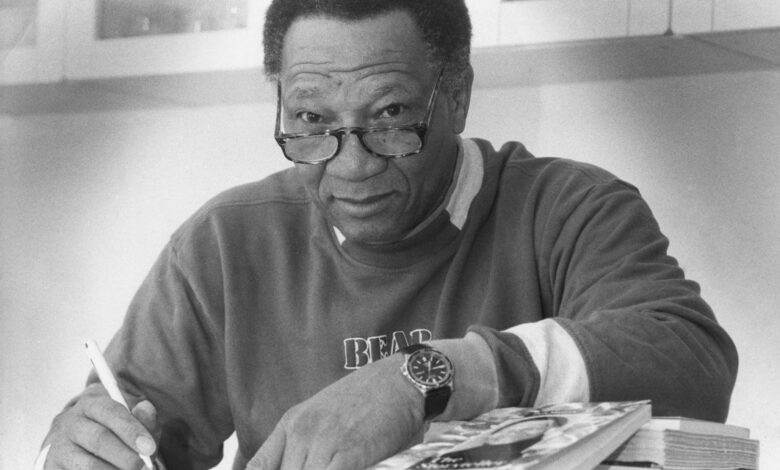
The Apartheid Museum and the Don Mattera Legacy Foundation will launch the Don Mattera Obituary Installation on Mandela Day (July 18), and the display will be featured at the museum until the end of next year.
Mattera was a towering figure in South African literature, journalism, and cultural life, whose voice captured the pain and resilience of a nation under apartheid.
Born Donato Francisco Mattera in Johannesburg’s Western Native Township, he was affectionately named Bra Don, Zinga, and Monnapula – the man who came with the rain.
Later, as a Muslim, he was known as Muhammad Omaruddin.
Mattera became celebrated as a poet and the Bard of Liberation in South Africa.
ALSO READ: Apartheid-themed movie filmed in Boksburg
Shaped by a lineage that reflected South Africa before apartheid, Mattera’s Afro-Italian roots – Khoi-Xhosa, Tswana, and Neapolitan respectively – resisted simple definition.
Apartheid sought to erase this complexity, reducing him to a racial category and a number. What it could not erase was memory, and resistance.
And then there was Sophiatown, a legendary, multi-racial suburb in Johannesburg.
Established in 1899, it became one of the few places where Black South Africans could legally own land, and was demolished by the apartheid government in the late 1950s and early 1960s.
Growing up in Sophiatown, Mattera came of age amid music, debate, beauty, and violence. After surviving gang life, prison, and profound loss, words became his refuge.
The destruction of Sophiatown marked a turning point, transforming personal grief into political awakening.
Influenced by Pan-Africanism and Black Consciousness, Mattera believed culture was a weapon of liberation.
As a poet, journalist, and activist, husband and father, he used language as a form of resistance, chronicling the everyday lives of Black South Africans with lyricism, anger, and compassion.
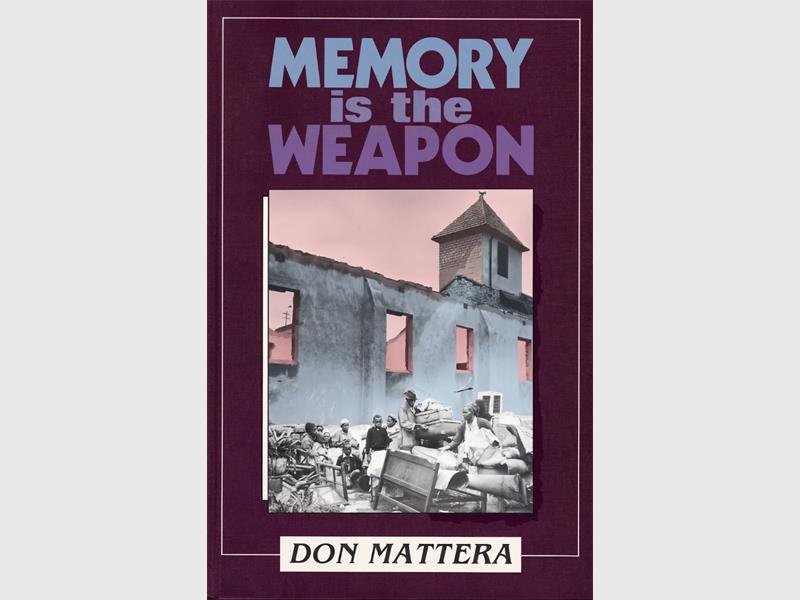
His autobiography, Memory is the Weapon, remains a seminal account of life and loss under apartheid and the power of personal and collective memory.
Despite two banning orders spanning a continuous period of close to nine years, house arrest, and marginalisation, Mattera continued to write, mentor, and organise.
His legacy endures through his words, his family, the Don Mattera Legacy Foundation, and the generations he shaped.
Remember, by Don Mattera
Remember to call at my grave
When freedom finally
Walks the land
So that I may rise
To tread familiar paths
To see broken chains
Fallen prejudice
Forgotten injury
Pardoned pains.
And when my eyes have filled their sight
Do not run away for fright
If I crumble to dust again
It will only be the bliss
Of a long-awaited dream
That bids me rest
When freedom finally walks the land …
ALSO READ: Winners honoured at AVBOB Poetry Competition gala dinner