September 8 is International Literacy Day: SA has a lot of work to do says READ
READ will be hosting an International Literacy Day event on September 22 at its offices in Ormonde, Johannesburg.
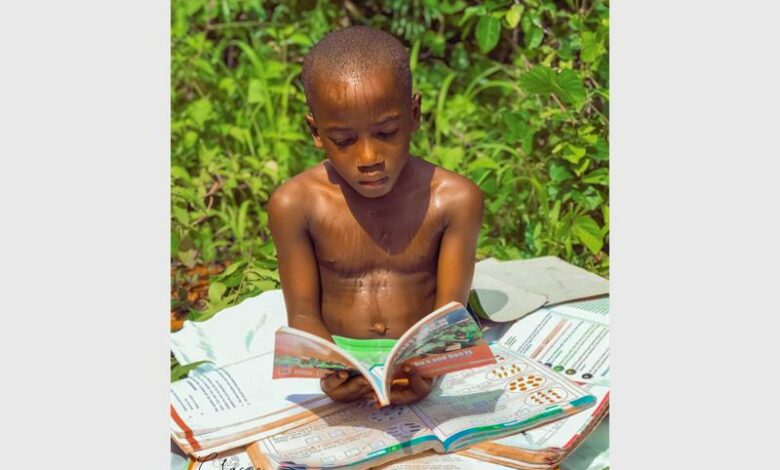
September 8 is the 60th anniversary of International Literacy Day and the READ Educational Trust is calling for renewed urgency and collective action to address South Africa’s persistent literacy crisis.
Celebrated under the theme, “Literacy for People, Planet and Prosperity,” the 2026 observance highlights literacy as a powerful tool for inclusion, opportunity, sustainable development and economic participation.
For South Africa, however, the day also serves as a stark reminder of the work that remains.
READ Educational Trust, one of South Africa’s pioneering literacy organisations, has spent more than four decades improving literacy outcomes among young South Africans, particularly in under-resourced communities.
Founded in 1979, the organisation has consistently championed literacy as a critical pathway towards educational achievement, empowerment and social mobility.
The organisation believes that addressing South Africa’s literacy crisis requires a collective response that extends beyond the classroom.
“Teachers play a critical role, but they cannot carry this responsibility alone,” says Carol Read, CEO of the READ Educational Trust.
“Parents, communities, government, civil society and the private sector all have a role to play in creating environments where children are exposed to books, stories, language and a culture of reading.”
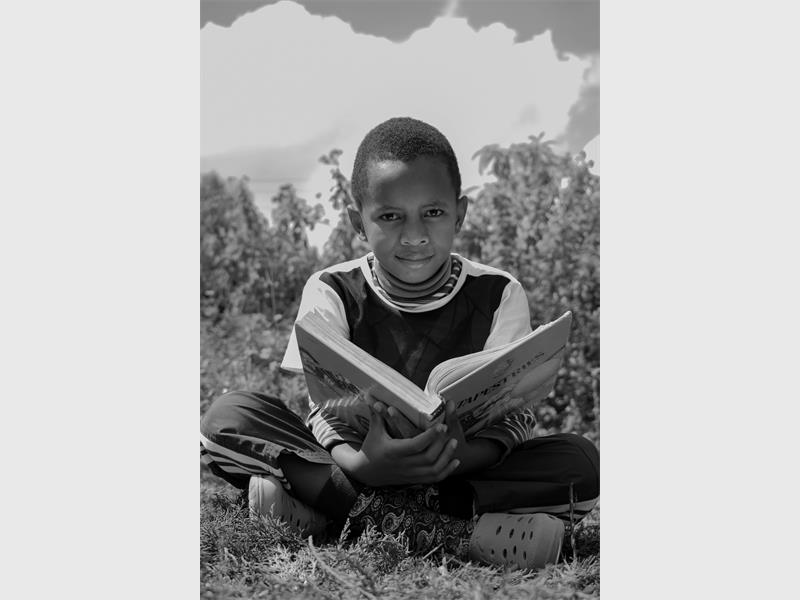
Photo: Supplied
Literacy challenges have been well documented
The 2021 Progress in International Reading Literacy Study (PIRLS) found that 81% of South African Grade 4 learners could not read for meaning in any language.
ALSO READ: NPO launches literacy programme to help learners with reading
More recent nationally representative data from the Department of Basic Education’s Funda Uphumelele National Survey paints an equally concerning picture: only 30% of learners in Grades One to Three are reading at grade level in their home language.
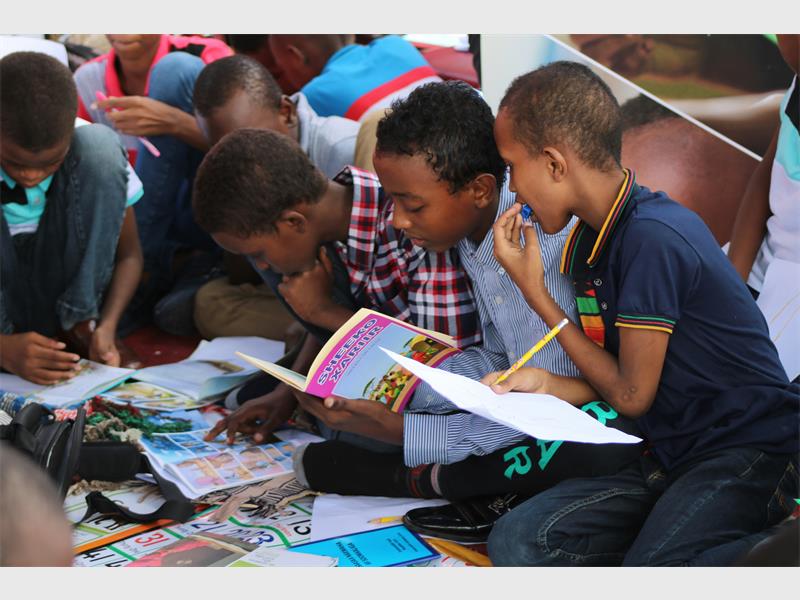
Photo: Supplied
In some cases, up to a quarter of Grade Three learners cannot read a single word.
“These statistics are not simply numbers. They represent millions of children whose futures are affected by whether or not they acquire one of life’s most fundamental skills,” says Read.
“Literacy is the foundation upon which all learning is built. A child who cannot read with understanding will struggle to access the rest of the curriculum, limiting their educational journey and, ultimately, their future opportunities.
“International Literacy Day should not be a once-a-year conversation. It should remind us that every day presents an opportunity to help a child discover the power of reading.
“Whether it is reading a bedtime story, donating books, supporting a school or investing in literacy programmes, every contribution matters.”
Come see what READ does
As part of the celebration, READ will be hosting an International Literacy Day event on 22 September 2026 at its offices in Ormonde, Johannesburg.
The day will showcase the work READ does to advance literacy and provide an opportunity for stakeholders and partners to engage with some of our programmes and projects.
ALSO READ: Book Club: Books to read this weekend