
Tips to avoid fraud and scams
There is a distressing and continuing rise in fraud cases, and it’s a national problem. Read about how you can avoid becoming a victim.
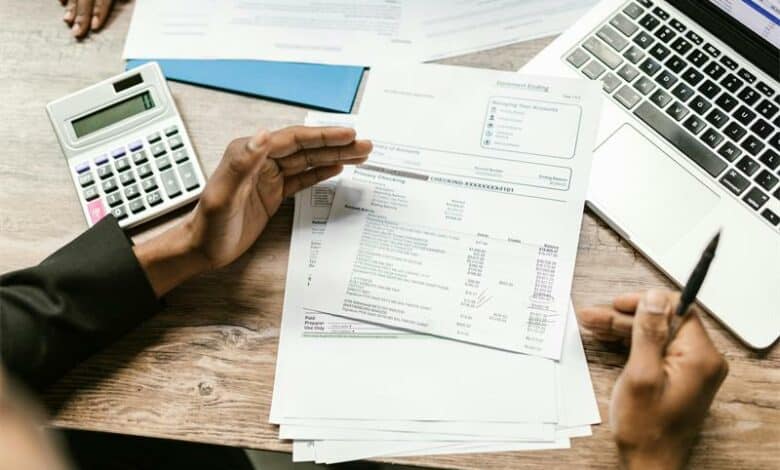
There were 30 reports of commercial crimes made at the Brakpan SAPS for this month by January 22, as heard during the SAPS stakeholders’ meeting.
As such, the police remind the public of the statistics and tips for staying safe.
Fraud has become a nuisance in the country, with last year’s statistics showing a 32% increase in reported incidents compared to 2023 and a 62% increase in fraudulent listings on social media marketplaces.
Banking fraud comprised 45% of all fraud incidents in the past year.
Scammers always try new ways to trick people, so know the signs to avoid becoming a victim. These are:
• How they contact you. When someone contacts you first, you can never be sure they are who they say they are. Remember, email addresses and caller IDs can be fake.
• They use bait. Usually, the bait is money. People don’t give away large sums of money for free. If someone claims to have a prize, a shopping spree or an easy loan for you, chances are they are lying.
• They want personal information. A legitimate organisation will never ask unprompted for your personal information over email or the phone. This includes your ID number, birthday, bank account number, address, full name and other personal information.
Only give such information in person or if you request the forms through your app or the official website.
• They ask you to pay them first. When you are offered a prize, job, product, service, or debt relief but must pay an upfront fee, it is likely a scam. Never pay for something if it is not already in your possession, working or usable.
• They use scare tactics. If someone tells you they have hacked you, threatens you with arrest, tries to blackmail or extort you or claims a loved one is in danger and needs funds to survive, they are lying to you.
Pay attention to the following to avoid being scammed:
• Fake online stores. They lure you in with ridiculously low prices, are easy to set up, and you end up paying for goods you’ll never receive.
Instead, make all online purchases through well-known providers like Takealot, Temu, Shein, Etsy, Wish or Amazon, and only if there are reviews on the product listing with photos attached.
• Fake adverts on social media. Fraudsters are masters at selling fake goods. Be careful of phoney bargains on cars or household goods. Do not pay a cent if you don’t have the item in your hands.
• Pre-approved loan notice scams. Fraudsters know most people desperately need extra cash in January and prey on that.
You will not get a loan you did not apply for, and it’s dangerous to apply for one through someone not registered as a financial services provider, like a bank.
What to do when you think you are being scammed:
• Immediately call your bank to deactivate your digital banking profile, stop cards or block transactions. Ask to reverse suspicious payments. Banks have loss prevention insurance and can get your money back through this.
Acting fast is crucial.
Turn on notifications for all payments, even small ones, and if you see a transaction you did not complete, immediately call to reverse it.
• Do not entertain anyone claiming to call from your bank, insurance, medical aid or other financial services provider. Look for information on your related app or the official website, or visit or call your nearest branch.