
Gangsterism turning schools into battlegrounds, warns Brakpan SAPS
More than three bullying and fighting incidents in a week at one school highlight a troubling trend.
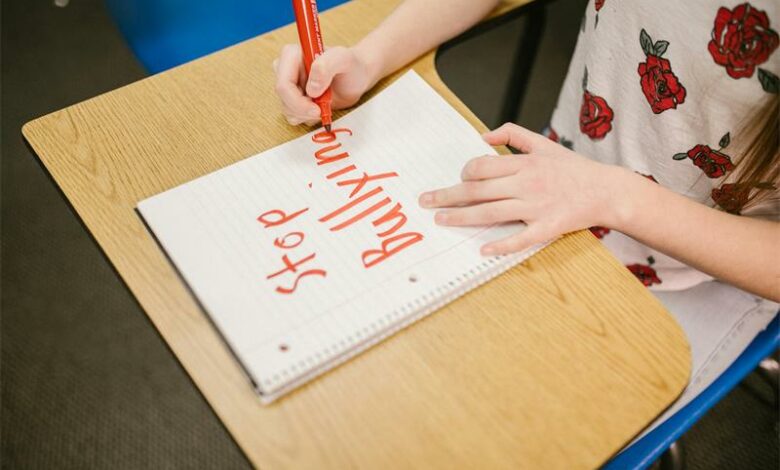
Brakpan police are sounding the alarm on gangsterism in schools, calling on parents, educators, learners and the community at large to be vigilant and proactive. Social crime prevention and communications officer Constable Audrey Buthelezi told the Brakpan Herald that gangsterism in schools is a growing concern driven by social issues, peer pressure, and the need for safety among learners, leading to increased violence and bullying.
“It is very concerning for the SAPS to receive more than three complaints of bullying and fighting from one school in one week. When learners start fighting as if fighting is part of their curriculum, the school and parents should be on alert.
“The issues might be deemed minor, but they are a creation of something that would be unstoppable and that will bring grief to the whole community,” she said.
She explained what causes gangsterism in schools:
• Social and economic factors
This can be children who often lack supervision and support, which makes them more susceptible to gang influence.
• Peer pressure
The desire for acceptance and protection from bullying often drives learners to join gangs. Learners feel that belonging to a gang is necessary for safety within the school environment.
With regards to how gangsterism impacts schools and learners, Buthelezi emphasised that gangsterism creates an unsafe learning environment that will affect the learners’ ability to focus on education.
“The presence of gangs in schools will increase learners’ anxiety and fear among each other. This will hinder their academic performance and well-being. Gangsterism can have lasting effects on learners, which include emotional and psychological issues,” she said.
ALSO CHECK: Brakpan SAPS calls on youth to join crime prevention desk
Buthelezi outlined how gangsterism can be addressed in schools:
• Community involvement
This requires collaboration between schools, parents, law enforcement agencies, and community organisations to help create a supportive environment for learners and reduce the allure of gang involvement.
• Policy implementation
Schools need to establish clear safety policies that prohibit gang activities and promote a culture of respect. This is by providing resources for learners to report gang-related matters without fear of retaliation.
• Educational programmes
Introducing educational programmes for learners to teach about the dangers of gangsterism and providing them with conflict resolution skills can help to reduce the appeal of gangs.
Encouraging positive peer relationships and fostering a sense of belonging can also mitigate the factors leading to gangsterism.
“Addressing gangsterism in schools requires a multifaceted approach that considers all underlying social issues, promotes safety, and fosters community engagement,” said Buthelezi.
“By understanding the causes and impact of gangsterism, stakeholders can work together to create safer learning environments. SAPS is calling on parents to monitor their children regularly and to engage with the schools regarding their children’s behaviour at schools because the child you know at home might be a completely different child at school.”
She added that SAPS continues with the Safer Schools Campaign programmes as part of their strategy to create safer learning environments and to totally combat gangsterism within schools.
ALSO CHECK: WATCH: Former SAPS Special Task Force member appears in court for murder of Marius ‘Vlam’ van der Merwe