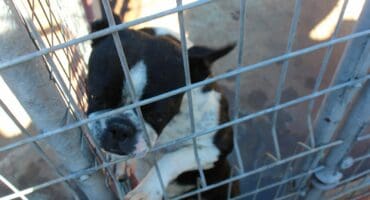
According to Carletonville’s only veterinarian, Dr Rhynardt De Ridder, he has already treated six dogs with the disease parvoviral enteritis, also known as cat flu or “katgriep”, this month. Although this number seems higher than usual, he saw 15 cases of the disease in October last year.
The signs and symptoms are acute onset of lethargy, anorexia – which means that the dog does not want to eat, vomiting and diarrhoea. The disease usually affects young dogs, unvaccinated dogs or dogs not vaccinated correctly.
Dogs must be vaccinated at six, nine, 12 and 16 weeks of age, then annually. If older than 12 weeks and not vaccinated yet, two vaccinations should be given four weeks apart and then yearly.
Owners can also speak to their vet about options to vaccinate earlier.
Parvovirus is a problem throughout the year. Here, in Carletonville Animal Clinic, we have a board that records the number of cases tested positive and suspected cases. The public is more than welcome to come and have a look at it. Because there are so many cases of parvovirus(cat flu) in the area, I would say it is a must that dogs should get all their vaccinations,” De Ridder says.
He says tick fever (Babesia) and tickbite fever (Ehrlichia canis) are also a big problem in the area, especially in summer. Dogs should be given tick treatment throughout the year. There are excellent products available to keep the ticks under control. Infected dogs should be treated as soon as possible because the longer you wait, the harder and more expensive it is to save the animal. The number of reported cases are also posted on the board in Carletonville Animal Clinic.
Pyometra, or uterine infection, is also common. Spay your dog if you are not going to breed with her, the older they get, the greater the chance of getting pyometra. Hormone treatment (estrogen or progestagen) also increases the likelihood of pyometra.