
Grassroots hockey thrives when coaching leads the way
Former national player advocates for club-level involvement as the catalyst for technical mastery and long-term development.
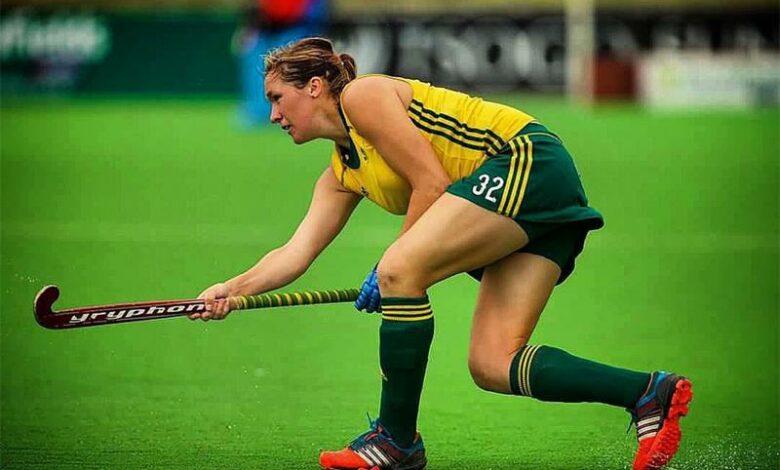
Former South African women’s hockey player Christine Roos (34) is using her experience at the elite level to strengthen grassroots hockey development.
Drawing on her own journey through the sport, the Benoni resident believes exposure to diverse coaching perspectives is key to unlocking young athletes’ potential.
Christine currently serves within the high-performance portfolio for the Eastern Gauteng Hockey Association, where the mission is to design and implement a comprehensive framework for athlete development and coaching excellence.

PHOTO: Supplied
To complement this, she recently took on the role of chairperson of the Eastern Gauteng Masters Hockey Association.
Her primary objective is to bridge the gap between the youth and veteran tiers, ensuring seamless continuity of play across all age groups in the province.
Christine is also the head coach for the St Dunstan’s College first girls’ team, where she focuses on high-performance tactical development.
Beyond the school environment, she co-leads C³ Academy alongside Tyrone and Kyle Cameron.
Christine represented the South African Women’s National Team from 2012 to 2018, a period during which she also competed professionally in Europe.
Also read: Sisterly support helps young rugby star thrive on and off the field
“I am currently back in elite-level preparation for the Masters World Cup this July. My international exposure and experience under diverse coaching styles have been instrumental in shaping my coaching philosophy,” she said.
Christine’s hockey career started when she was six years old, driven by active parents who prioritised broad athletic exposure.
“While schools provide the essential foundation for introducing children to sports, I believe club-level involvement is the true catalyst for growth,” she said.

PHOTO: Jessica Edan Lindsay, Edan Photography.
According to her, club environments offer athletes critical advantages such as exposure to diverse coaching styles, the challenge of playing alongside more experienced athletes, and the specialised training required to elevate their game to the next level.
Reflecting on her own experiences, Christine shared that a defining shift occurred in her career when she was 16.
“In the years prior, I had struggled to break into the provincial A side, but my U16 year changed everything when a coach recognised I was playing out of position,” she explained.
“Transitioning from striker to defence was the catalyst I needed. That same year, I made the provincial U16A team and earned selection for the South African U16 squad.
“This experience is a testament to why young athletes need exposure to a diverse range of coaching perspectives. You never know which coach will hold the key to unlocking your true potential.”
Christine noted that while young athletes often dream of making the national team, the path to the top is filled with many unseen disappointments.
“The journey is a constant cycle of dusting yourself off, resetting, and finding the grit to try again. It is a delicate, often exhausting, balance of high-performance training, constant travel, and the weight of external expectations, all while navigating the complexities of young adulthood,” she said.
“From missing milestone family events for training camps to the emotional toll of elite competition, the sacrifice is immense.”
Christine pointed out that this highlights a critical gap in the management of mental health and preparation in high-pressure sports environments.
Also read: Khosa Junior Hockey Club develops future players
When asked about the importance of community clubs in introducing young athletes to hockey, Christine replied that they play a vital role in their long-term development.
“While schools must balance multiple sporting codes and limited turf time, clubs provide the necessary extension to a player’s season,” she said.
“This environment perfectly complements school sports by providing a dedicated platform for technical mastery.
“In a school setting, coaching often prioritises immediate team tactics for upcoming matches, which can inadvertently delay the development of a player’s individual skill set.
“Club hockey bridges this gap, ensuring that technical growth remains a year-round priority.”
With regards to challenges, Christine explained that a significant hurdle within Easterns and South African hockey at large is the reluctance to share coaching resources.
“Often, coaches protect their methodologies to maintain a competitive edge within their immediate environment,” she said.
“However, this ‘silo” approach stunts the long-term growth of the province and the national game.
“By shifting toward a culture of transparency and developing a national coaching blueprint, we could standardise the technical foundations of the sport.
“This would allow coaches to focus on tactical dominance during competition while ensuring that when players reach the national level, they share a consistent technical vocabulary and skill set.”
Christine entered coaching to share what she learned throughout her hockey career.
“My goal is to be a catalyst for young athletes, inspiring them to love the game while providing the technical tools and insights I wish I’d had access to in my youth,” she said.
“Today, I work with a broad spectrum of players, from U6 beginners to Masters (35 years and older).

PHOTO: Jessica Edan Lindsay, Edan Photography.
“When identifying talent, I prioritise coachability and resilience above all else.”
Addressing the importance of mental preparation and discipline at a young age, Christine emphasised that mental preparation at the elite level is often the tie-breaker between athletes of equal physical ability.
“It fosters the focus and emotional control needed to perform under pressure,” she said.
“Ultimately, I believe discipline is the bridge between raw potential and elite performance, transforming consistent training and nutrition into a competitive edge.”
Commenting on how access to facilities, equipment, or coaching affects development, Christine said the development of Easterns hockey is significantly hindered by a critical lack of access to quality facilities and elite coaching resources at the grassroots level.
“In many areas, the absence of Astros (facilities) and proper equipment creates an immediate developmental divide,” she said.
“This is further influenced by a lack of funding, which causes us to lose our top talent to higher-paying coaching roles in other provinces.
“As a result, many grassroots programmes are managed by unqualified staff, leading to inconsistent development.
“Our mission is to reverse this trend by creating robust programmes that incentivise coaches to return to the province while providing existing coaches with the elite-level mentorship and professional development they need to thrive.”
As for parents with children starting out in hockey, Christine advised that the most important thing they can do is expose their children to as much as possible.
“Different coaches, various styles of play, and even different positions. To truly foster a growth environment, it is vital to trust and back the coach’s decisions,” she said.
“Disagreeing with a coach simply to please your child or protect their feelings does not help them improve. Instead, it stunts their growth and their ability to reach their full potential.
“While it is natural to want to shield them, supporting your child through disappointments is just as important as celebrating their victories.
“Disappointment should be viewed as a powerful driving force to improve, rather than an excuse to undermine coaching decisions.
“By identifying your child’s potential early and providing a stable support system that respects the coaching process, you allow them to develop the grit and discipline required to succeed at the highest levels of the game.”
Christine’s ongoing passion for the sport stems from her view that hockey is an incredible and vital tool for a child’s overall development.
“Beyond the technical skills on the turf, sport teaches essential life lessons: discipline, teamwork, social skills, and the resilience needed to manage disappointment.
“It is a unique environment where lifelong friendships are forged through shared challenges.
“My goal is to be a driving force in creating a safe, structured space where children can experience these growth opportunities and truly enjoy the game.
“Knowing that I am helping to shape not just better athletes, but more capable and well-rounded individuals, is what keeps me dedicated to the sport every day.”